
Last updated November 15, 2026
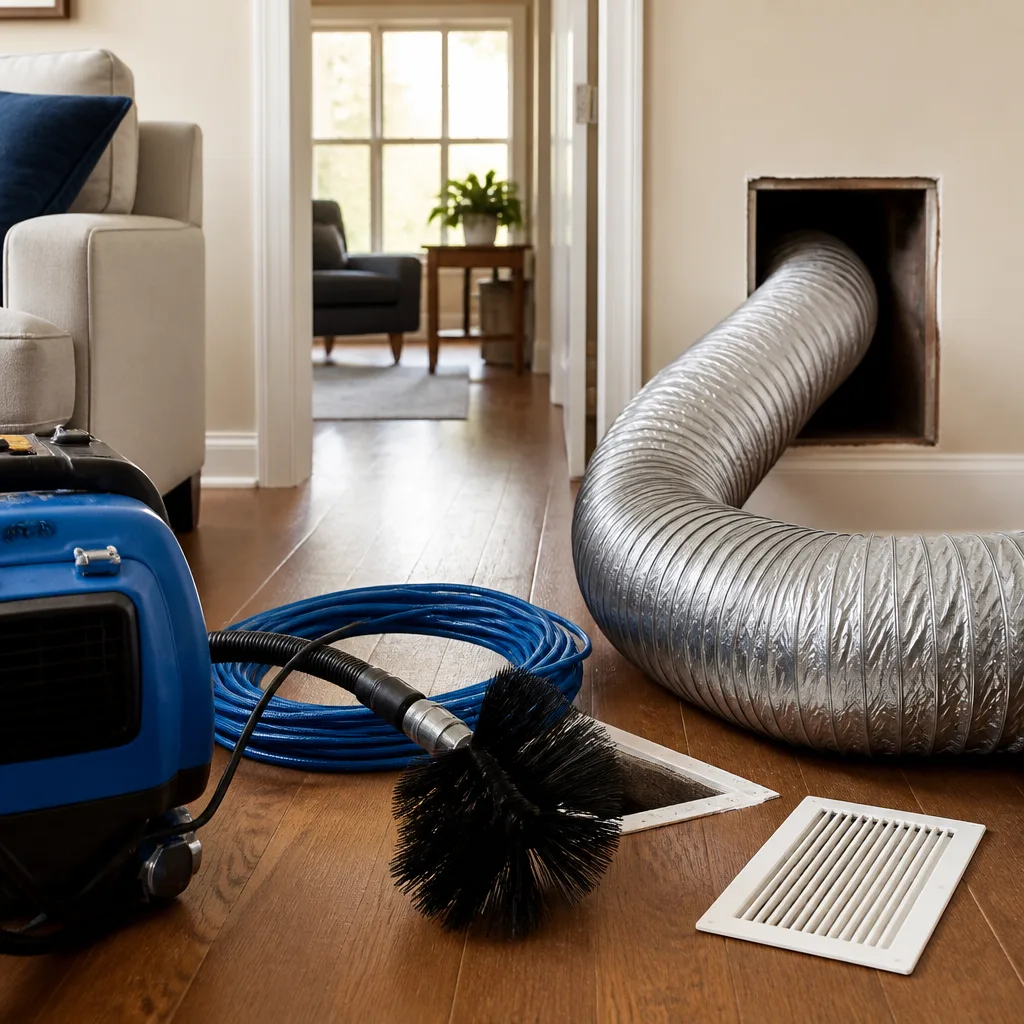 Whole-home duct cleaning
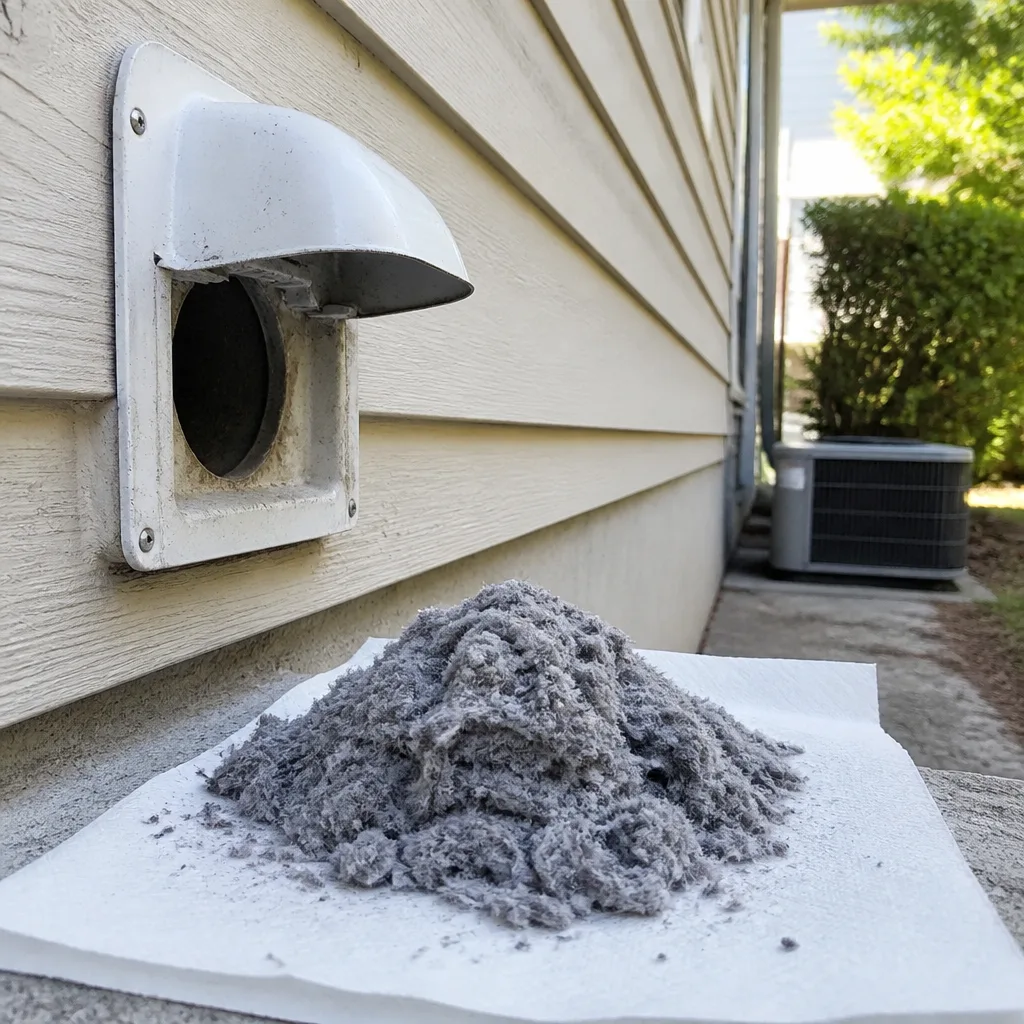 Dryer vent cleaning
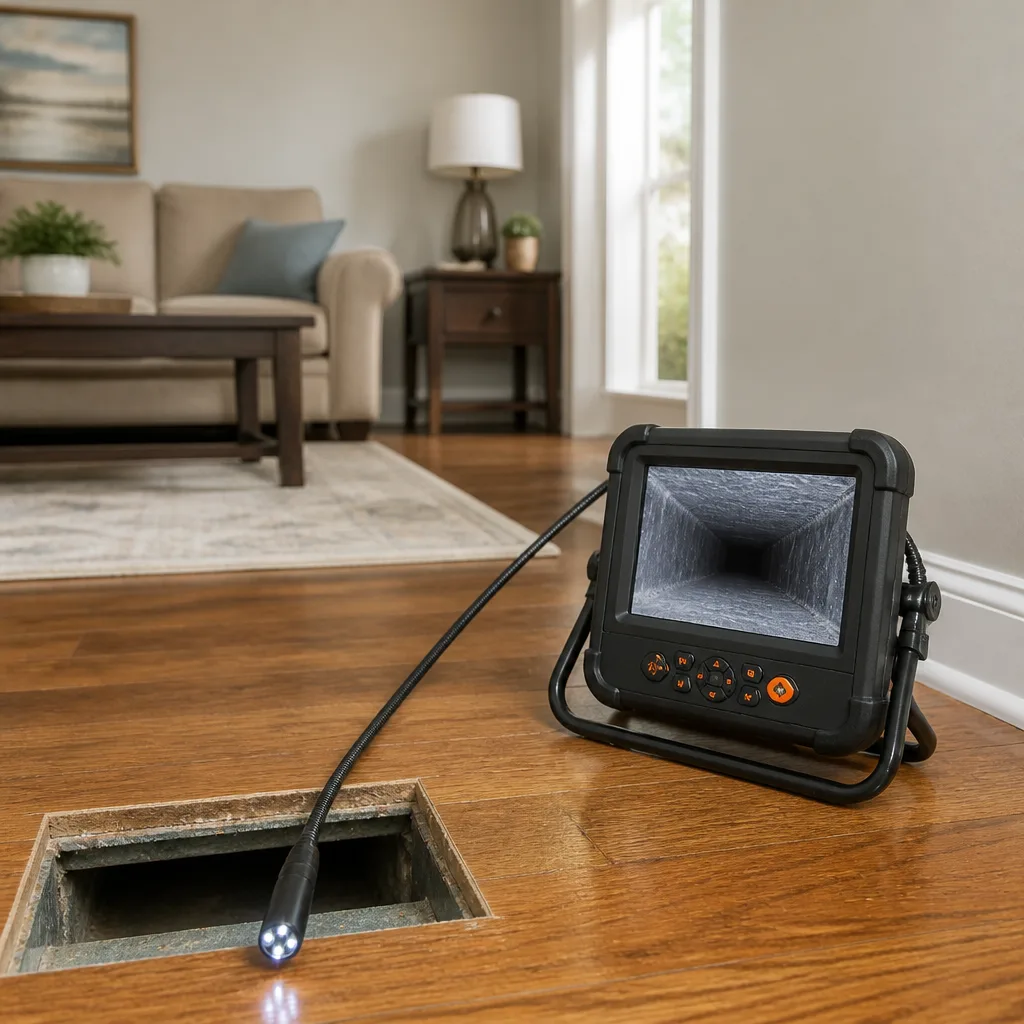 Camera inspection
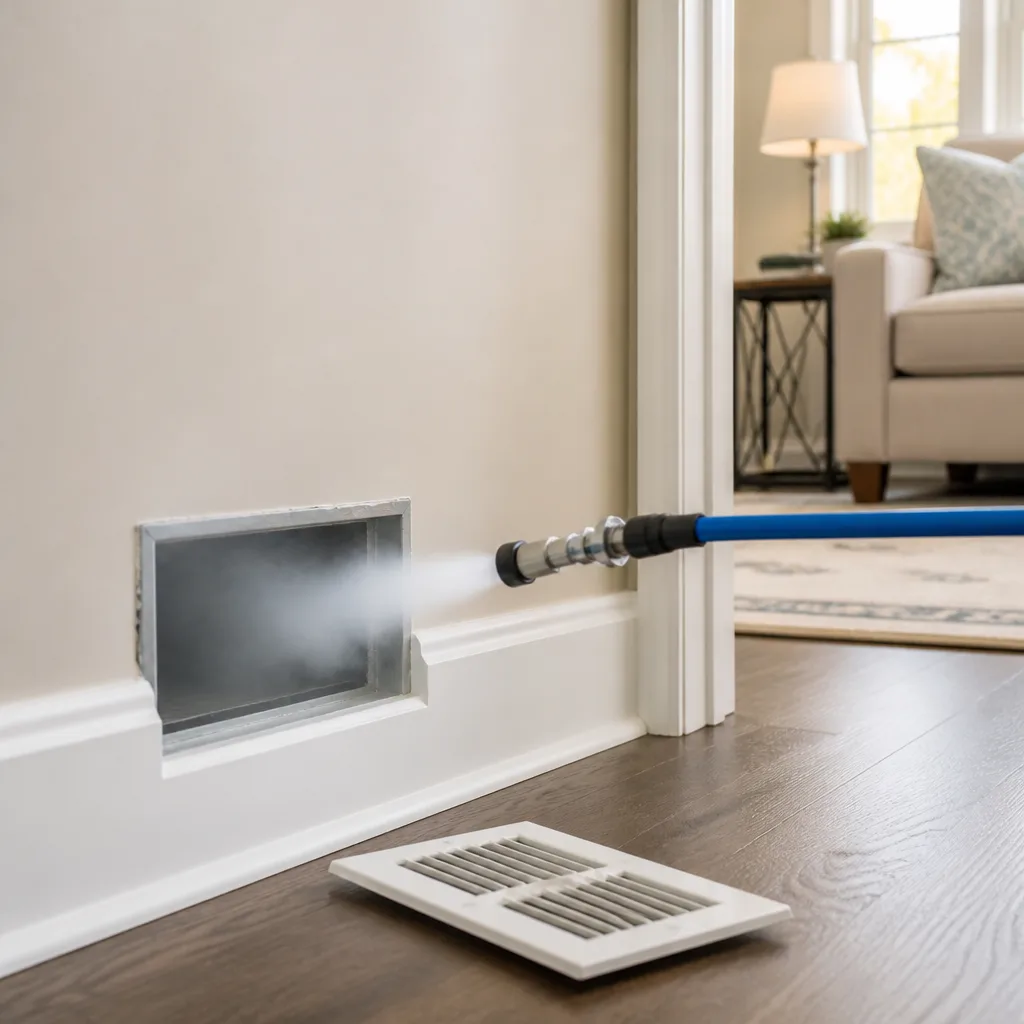 Sanitizing & deodorizing
Whole-system duct and dryer vent check with before-and-after photos - you see exactly what came out of your vents
That "$99 whole-house special" is a bait ad - the real number appears once they are in your hallway, or the "clean" is a shop-vac at the register. We photograph the inside of your ducts before and after instead.
Air Duct Cleaning Cost Breakdown: The Wichita Falls Homeowner’s Reference for 2026
A $99 duct cleaning quote in Wichita Falls almost always assumes a system that doesn’t exist. It assumes three or four supply vents, one easy return, a short run of flex duct, and an attic hatch wide enough to walk through. Most homes here have none of that. The real price emerges after the technician counts your vents, finds your plenums, crawls the runs, and starts recommending add-ons you never asked about. That gap between the headline number and the invoice is the single thing this guide exists to close. We’ll decode every line item on a real quote, show what actually drives cost in this market, and give you the normalization math to compare two quotes that price things completely differently. Wichita Falls homeowners deserve to read a quote the way a technician does.
Quick Answer
A legitimately priced full air duct cleaning in Wichita Falls in 2026 typically runs about $350 to $550 for a 1,500 sq ft home, $500 to $800 for 2,500 sq ft, and $750 to $1,200 or more for 3,500 sq ft, depending on duct layout, material, and how much repair the system needs. The written estimate sets the final price, and the only honest way to price a job is after someone has actually looked at the system. Any number you get over the phone before that is a guess built on assumptions about your house.
Styles & brands we work with
- Whole-home duct cleaning
- Dryer vent cleaning
- Camera inspection
- Sanitizing & deodorizing
Table of Contents
- Why Duct Cleaning Quotes Vary So Much in Wichita Falls
- What Actually Drives Legitimate Cost Variation
- Line-by-Line: What a Real Wichita Falls Quote Looks Like
- 2026 Price Benchmarks by Home Size
- Which Add-Ons Have Real Value and Which Are Upsells
- How to Compare Two Quotes That Price Things Differently
- The Per-Vent Pricing Problem
- When You Need Repair, Not Just Cleaning
Why Duct Cleaning Quotes Vary So Much in Wichita Falls
The spread between the cheapest and most expensive duct cleaning quote in Wichita Falls can be five hundred dollars or more for what sounds like the same job. That spread isn’t random, and it isn’t a sign that one contractor is gouging you. It usually means the two quotes are describing two different jobs.
A low quote is almost always built on a fixed assumption: a certain number of vents, a certain amount of accessible duct, a certain amount of time. When the technician arrives and finds a 1970s slab home with a long return plenum in a tight closet, or a pier-and-beam house where the trunk line runs through a crawlspace with limited clearance, the fixed price falls apart. That’s when the add-ons appear: extra vent charges, “heavy contamination” fees, sanitation treatments, and sealing sprays that weren’t on the original quote.
The alternative is pricing the actual system. That means counting vents, mapping the trunk and branch runs, checking the plenum and the air handler connection, and confirming access before anyone quotes a number. It takes longer to produce. It also holds up.
Three things drive most of the variance in this market:
- Scope assumptions. Does the quote include the return side, the plenum, and the air handler cabinet, or only the supply vents? Supply-only cleaning is cheaper and leaves a big portion of the system untouched.
- Access difficulty. A crawlspace run, a flex duct that sags, a register buried behind furniture, or a plenum with no service panel all add time and equipment needs.
- Equipment tier. A shop vacuum and a brush on a drill is not the same tool as a purpose-built truck-mounted or portable system. The equipment difference is real, and it shows up in the price.
If you want the full picture on what proper cleaning involves, our guide to air duct cleaning walks through the process end to end.
What Actually Drives Legitimate Cost Variation
Four factors explain most of the honest price differences between two Wichita Falls homes of similar size. Understanding them lets you sanity-check any quote you receive.
1. Square Footage and Vent Count
More conditioned space means more duct, which means more branch runs, more registers, and more time. Vent count matters as much as square footage. A sprawling single-story with ten supply vents takes longer than a two-story with six, even if the square footage is the same. When a company prices by vent, the count is the whole ballgame.
2. Duct Material Type
Sheet metal duct cleans differently than flex duct. Sheet metal holds up to aggressive brushing and higher air volume. Flex duct is more delicate, can sag and trap debris in low spots, and needs a gentler approach to avoid tearing the inner liner. Older rigid duct with internal insulation presents its own challenges. The material mix in your system affects how long the job takes and what equipment the technician reaches for.
3. System Age
An older system tends to have more accumulated debris, more disconnected joints, and more hidden problems. That doesn’t automatically raise the cleaning price, but it raises the odds that the technician finds something needing attention, like a separated joint or a crushed run. That’s a repair conversation, not a cleaning one.
4. Access in Pier-and-Beam vs. Slab Homes
This is where Wichita Falls housing really separates itself. Pier-and-beam homes route ductwork through a crawlspace, which can mean tight clearances, low headroom, and runs that need a technician to work on their knees. Slab homes route ductwork under concrete with limited access points, so the accessible portions are more concentrated at the plenum and branch connections. Neither is better or worse to work with; they’re just different jobs. A quote built for one style can miss the mark badly on the other.
Climate matters less here than in other parts of Texas. Wichita Falls sits in a zone where summers push the AC hard and winters stay mild, so the system runs heavily in cooling season and the return side collects a steady load of dust and debris. That means the return and plenum often need as much attention as the supply side.
Line-by-Line: What a Real Wichita Falls Quote Looks Like
A well-structured duct cleaning quote breaks the job into distinct pieces rather than a single lump sum. Here’s how to read each line.
Main Trunk Cleaning
The trunk is the large main duct that carries air from the air handler to the branch runs. It holds the most volume and often the most debris. Cleaning it requires agitation and high-volume negative pressure. This line should be explicit, not folded into a “whole system” number with no detail.
Branch Run Cleaning
Branch runs feed individual registers. Each one needs to be agitated and cleaned individually. This is the line where per-vent pricing usually hides. A quote that charges per branch run needs to state the count it’s assuming.
Supply vs. Return Treatment
Supply ducts carry conditioned air out. Return ducts carry air back to the air handler. Many low quotes clean only the supply side because it’s visible and easy to count. The return side often carries heavier debris and should be priced separately. Make sure both sides are on the quote.
Plenum Access
The plenum is the box connecting the air handler to the duct system. It’s frequently the dirtiest part of the system and the part most often ignored. Accessing it may require cutting a service panel or working around equipment connections. That work carries a real cost, and a quote that omits the plenum isn’t cleaning the whole system.
Sanitation Treatments
Sanitation is a legitimate line item in some situations and an easy upsell in others. It makes sense after a specific contamination event: water intrusion, pest activity, or visible microbial growth. It’s harder to justify as a blanket add-on on a routine cleaning. Ask what the treatment addresses and whether there’s visible evidence supporting it.
Here’s how a fragmented quote should look when it’s broken out properly:
- Pre-inspection and system mapping – vent count, material identification, access confirmation.
- Negative pressure setup – sealed containment and equipment placement.
- Main trunk agitation and extraction.
- Branch run cleaning, priced per confirmed run.
- Return side and plenum cleaning.
- Register and grille removal, cleaning, and reinstall.
- Post-cleaning inspection and before-and-after documentation.
If a quote doesn’t itemize these steps, ask for one that does. A company confident in its process will put it in writing.
2026 Price Benchmarks by Home Size
These ranges reflect what a legitimately priced full-system cleaning tends to run in the Wichita Falls market in 2026. They’re typical estimates, not fixed prices, and the written estimate you receive sets the final number. Treat them as a benchmark to measure a quote against, not a guarantee.
| Home Size | Typical Full-System Cleaning Range | Notes |
|---|---|---|
| 1,500 sq ft | $350 – $550 | Assumes roughly 6-9 supply vents and one return; standard access |
| 2,500 sq ft | $500 – $800 | Roughly 10-14 supply vents, often multiple returns; may include tight crawlspace access |
| 3,500 sq ft | $750 – $1,200+ | Highly variable; multiple zones, long runs, or significant access challenges push toward the top |
A few realities sit under those numbers:
- Pier-and-beam homes with crawlspace runs often land at the higher end of the range because of access time.
- Homes with a mix of rigid and flex duct take longer than a single-material system.
- Any quote well below the bottom of its size range should prompt a hard question about what’s included. A $199 “full cleaning” on a 2,500 sq ft home is almost certainly a supply-only or partial job.
- Quotes well above the top of the range aren’t automatically wrong, but they need line-item justification for the difference.
For a sense of how these numbers apply to the broader market, see our Wichita Falls service overview.
Which Add-Ons Have Real Value and Which Are Upsells
Add-ons are where quotes get complicated. Some are genuinely useful. Others are padding. Here’s how to sort them.
Add-Ons With Documented Value
- Dryer vent cleaning. A genuine safety and efficiency service, priced separately from duct cleaning because it’s a separate system. Lint accumulation in a dryer vent is a fire hazard, and a clogged vent makes the dryer work harder and longer. If it’s been a while, bundling it with a duct cleaning is a reasonable use of the visit. Learn more in our guide to dryer vent cleaning.
- Targeted mold remediation coordination. When there’s confirmed visible microbial growth inside the duct system, treatment is warranted. This requires proper containment and remediation protocols. Forge Duct Cleaning uses Abatement Technologies equipment for this kind of contamination work, which is the tier of gear the job actually calls for.
- Duct repair. If the inspection finds separated joints, crushed runs, or disconnected flex duct, repair isn’t an upsell. It’s the difference between a system that holds pressure and one that leaks conditioned air into a crawlspace. This is where we separate ourselves from clean-only competitors.
Add-Ons That Are Largely Upsells
- Most “duct sealing sprays.” Aerosolized sealant products have legitimate uses in specific applications, but a spray-on treatment marketed as a cure-all for leaks is often applied without diagnosing whether the system actually has the problem it claims to fix. Physical repair of a disconnected joint does more than a spray ever will.
- Blanket “antimicrobial fogging” on every job. If there’s no contamination evidence, this is a line item looking for a justification.
- UV light installations. These can be useful in specific configurations, but they’re not duct cleaning, and they’re not a substitute for physically removing debris from the system.
The test for any add-on: ask what specific condition it addresses, and ask to see the evidence. A technician who has actually inspected the system can point to what they found. A salesperson will point to the brochure.
How to Compare Two Quotes That Price Things Differently
Two quotes for the “same” job can be $300 apart and not comparable at all. Here’s the normalization process that makes them readable side by side.
- Confirm the vent count on each quote. If Quote A assumes 8 vents and Quote B assumes 12, the headline numbers are meaningless until you price both at your actual count.
- Check whether each quote includes the return side and plenum. Supply-only jobs cost less because they do less. Normalize by getting a supply-and-return price from both companies.
- Ask about access assumptions. Does each quote assume standard attic or crawlspace access, or does it have a contingency? A quote with a hidden access contingency isn’t a firm quote.
- Separate the add-ons from the core job. Pull sanitation, sealing sprays, and dryer vent cleaning out of both quotes and compare the core cleaning numbers first.
- Confirm what “before-and-after photos” means. Ask whether the documentation is of your actual ducts or a stock set of images. It should be yours.
- Ask how the price is set. One flat price per system agreed before work starts is a different structure from a per-vent price that adjusts as the technician counts.
Do this normalization and the picture usually snaps into focus. The cheap quote often turns out to cover less. The expensive quote may still be expensive, but at least you’ll know what you’re paying for.
The Per-Vent Pricing Problem
Per-vent pricing is the most common structure in this market, and it’s the one most likely to produce a low number that grows once the technician is on site. That’s not because per-vent pricing is inherently dishonest. It’s because it’s incomplete by design: the price isn’t fully set until someone counts vents, and the count is done by the same person who benefits from finding more.
The alternative is whole-system pricing: one flat price per system, agreed before work begins, based on an actual inspection of the actual system. That structure forces the company to do the inspection first, then commit. It also makes the quote comparable to another quote, because both are tied to the same scope.
If you’re comparing a per-vent quote to a flat-price quote, convert the per-vent quote to a total first. Multiply the per-vent rate by your actual vent count, then add whatever the quote assumes for returns, plenum, and access. Often the per-vent quote isn’t cheaper once you do the math. It just started lower.
If you want a straight answer on your own system before you commit to anything, call (844) 230-0769 for a free estimate. We’ll price the system we actually find.
When You Need Repair, Not Just Cleaning
Some duct problems don’t get fixed by cleaning. They get fixed by repair, and the two aren’t interchangeable.
Signs you may need duct repair rather than a standard cleaning:
- Uneven airflow between rooms, or rooms that never seem to get conditioned air.
- Visible disconnected flex duct, separated joints, or crushed runs in the attic or crawlspace.
- Higher energy bills without a clear explanation, often pointing to conditioned air leaking out of the system before it reaches a room.
- Debris blowing out of a register after a cleaning, which can indicate debris trapped in a section the cleaning didn’t reach.
- Audible whistling or rattling at joints, which can signal a pressure leak.
This is where cleaning-only companies hit a wall. They can clean what they can reach, but they can’t restore a duct system that’s structurally compromised. Forge Duct Cleaning offers air duct repair as a core service, so the same visit that inspects the system can also restore it. We repair what we find, not just clean around it.
Our technicians work with Rotobrush and Nikro systems on the cleaning side and have the repair capability to address what those systems uncover. That’s the difference between a company that specializes in duct systems and one that added duct cleaning to a longer menu.
Common Mistakes to Avoid
- Booking on the headline coupon price. A coupon price is usually built on assumptions about your home that almost never hold. Ask what the coupon actually covers and what triggers an increase once the technician arrives.
- Assuming a low quote means a good deal. The cheapest quote usually covers the least work. It’s not a discount on the same job; it’s a different, smaller job described in the same words.
- Forgetting to ask about the return side and plenum. Supply-only cleaning leaves a large portion of the system untouched. In Wichita Falls homes running the AC hard through summer, the return and plenum are often the dirtiest parts.
- Accepting a per-vent quote without converting it. Multiply the rate by your actual vent count and add the return and plenum costs before comparing it to a flat-price quote. The comparison only works after the math.
- Skipping the before-and-after documentation question. Ask whether the photos will be of your ducts. If a company can’t answer that clearly, that’s a data point about how the work will be verified.
- Treating duct repair as an upsell. If the inspection finds a disconnected joint or a collapsed run, that’s a real problem that cleaning won’t fix. A company that offers repair as a core service will tell you so; a clean-only company may just clean around it.
- Ignoring the dryer vent. It’s a separate system, but it’s a real one, and lint buildup is a fire risk. Bundling it with a duct cleaning appointment is a sensible use of the visit.
See the difference
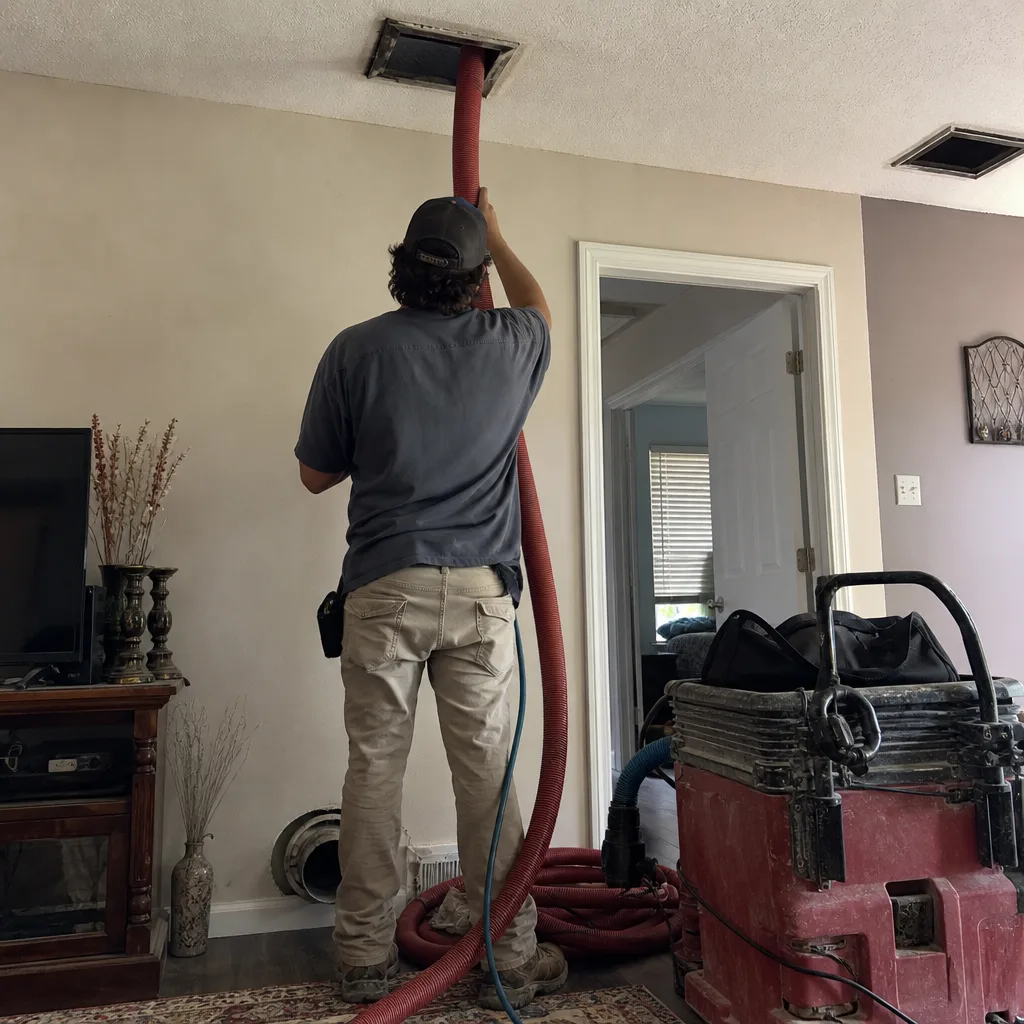 Before
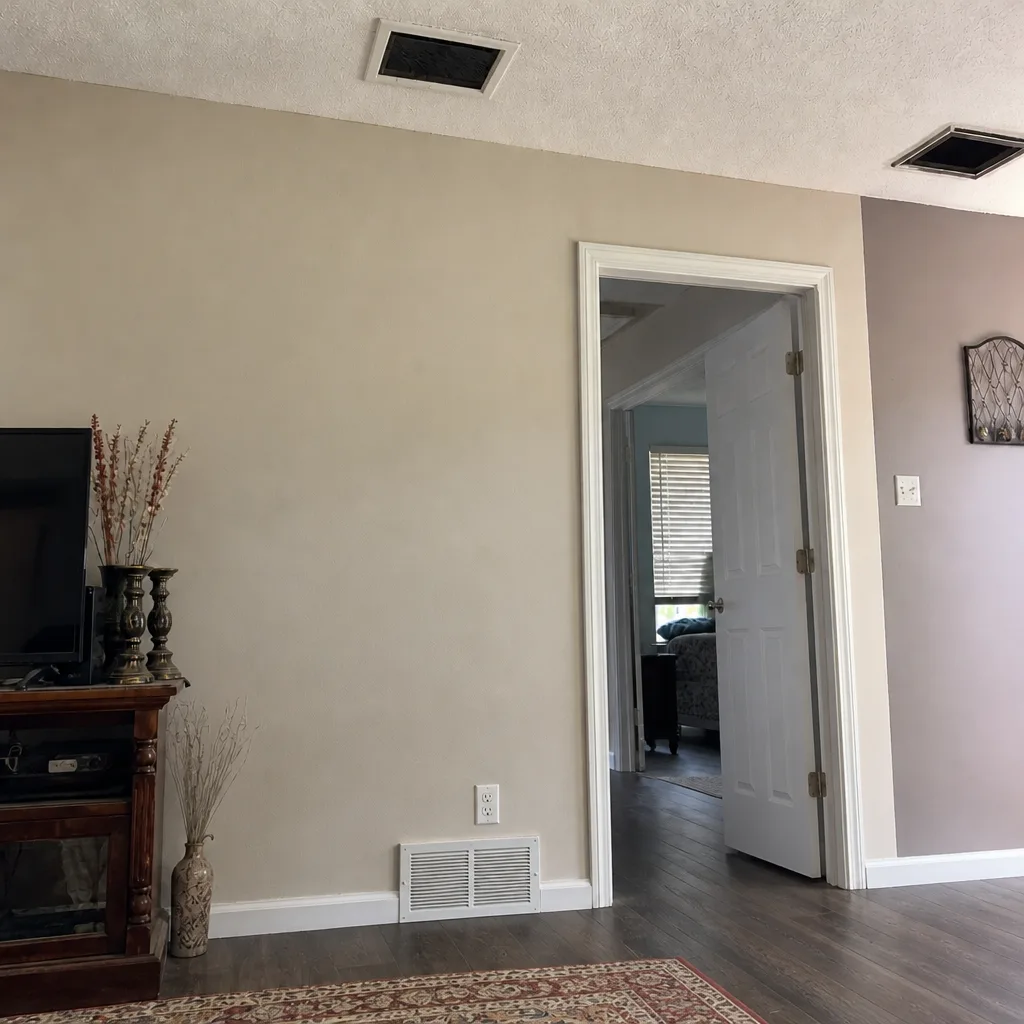 After
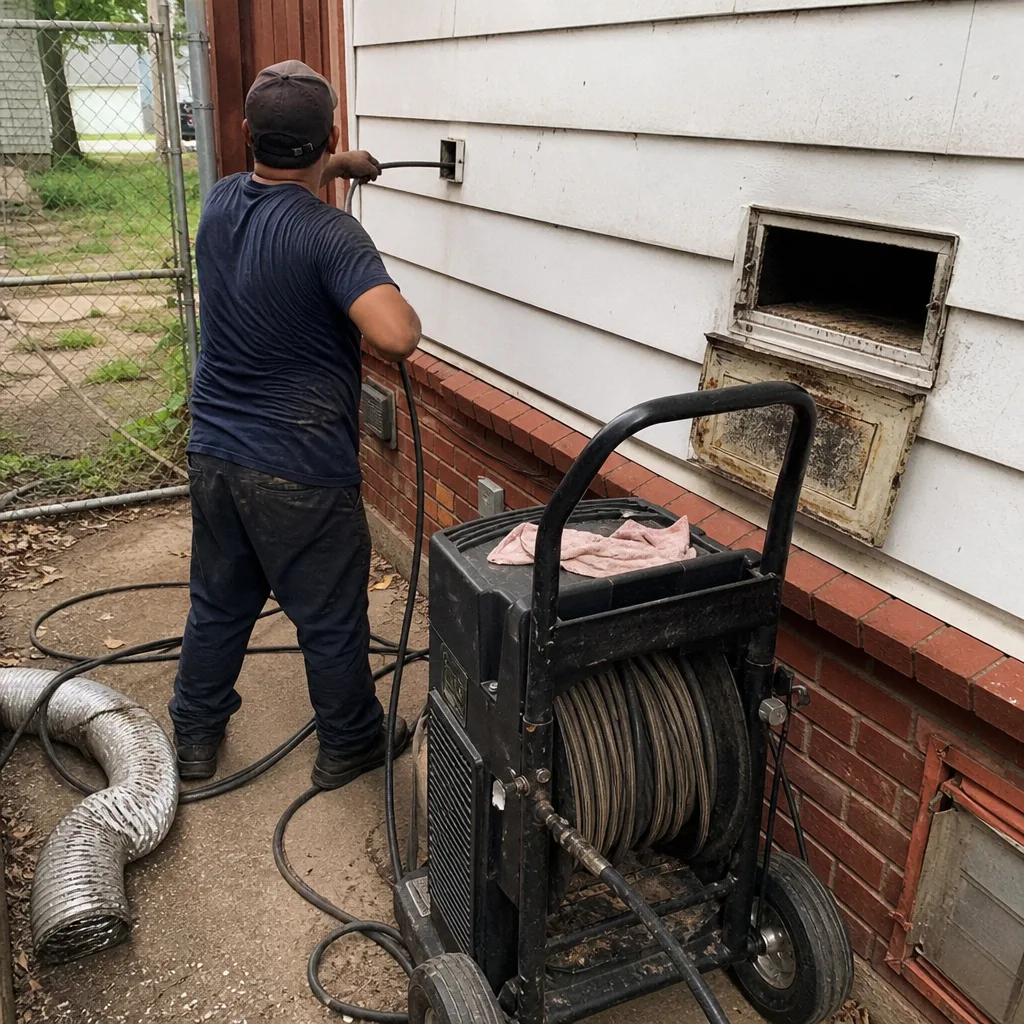 Before
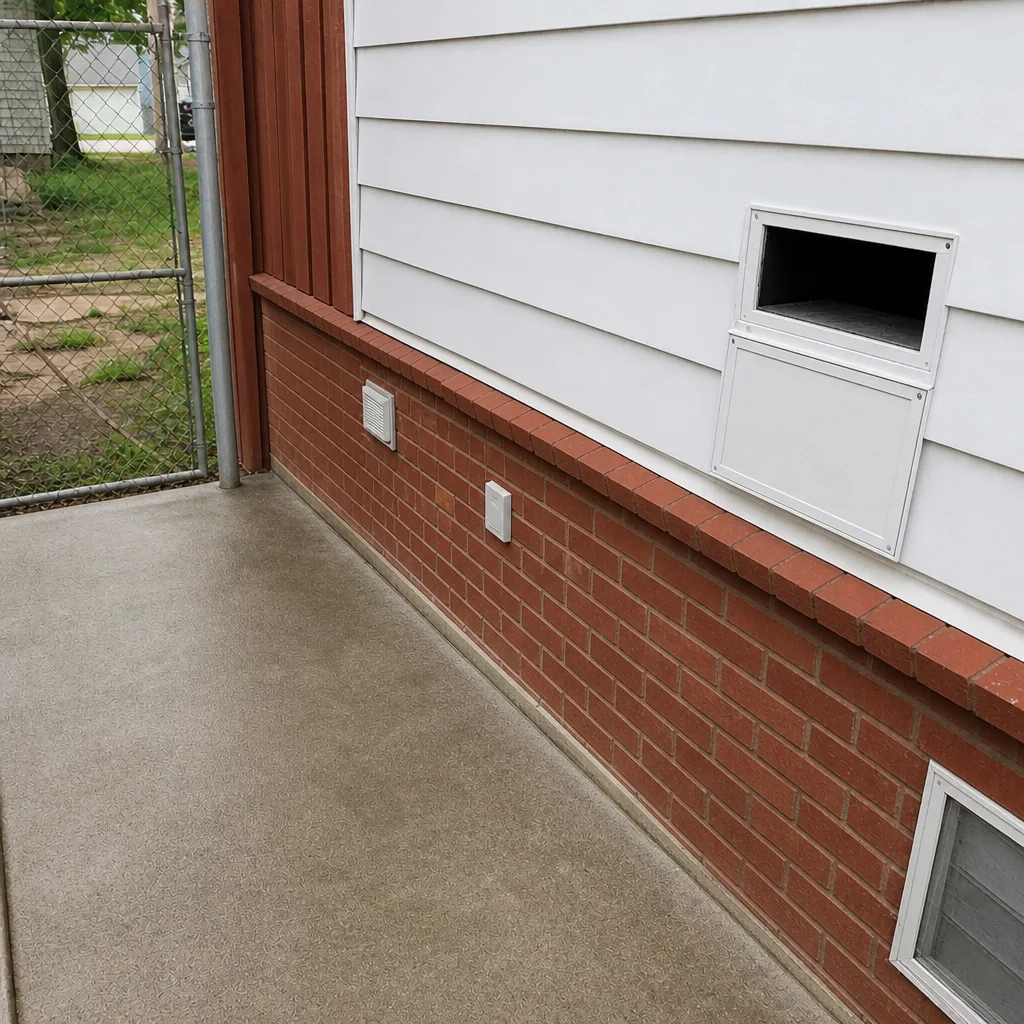 After
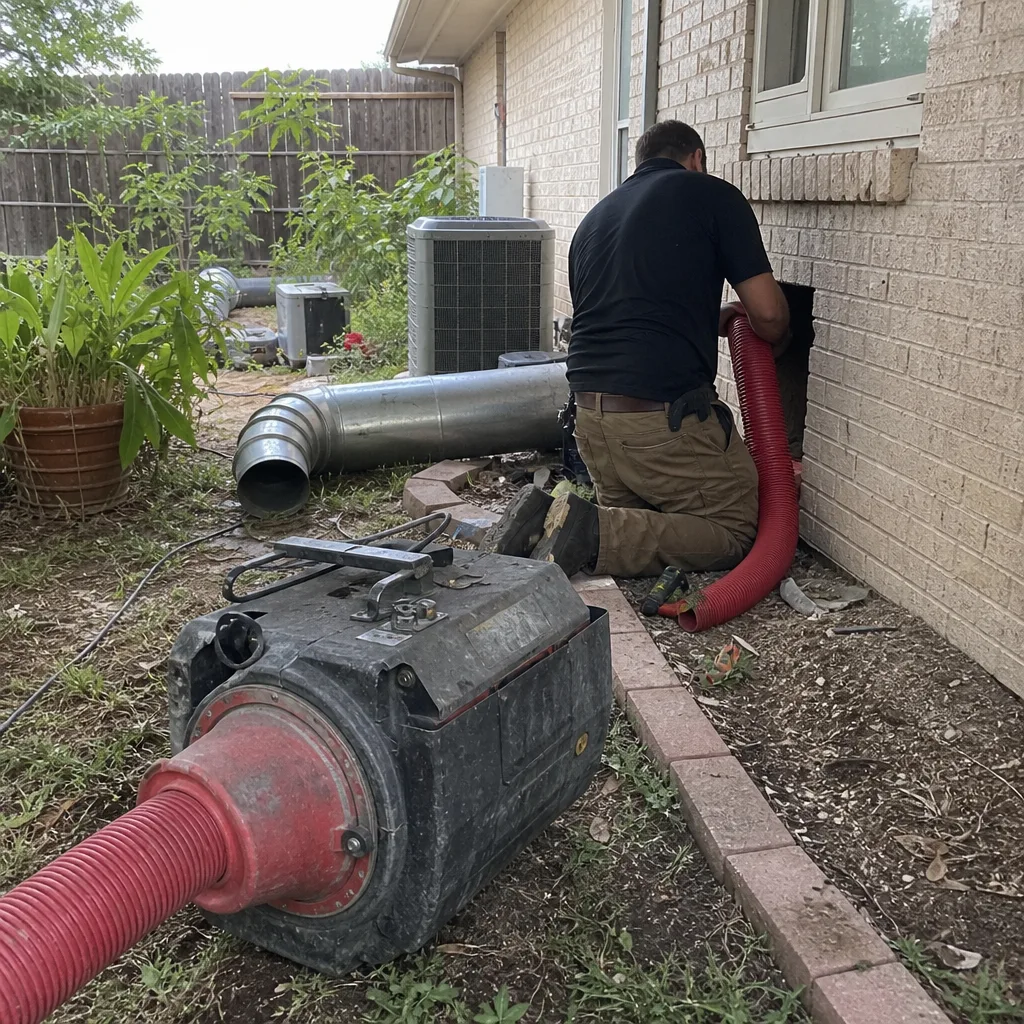 Before
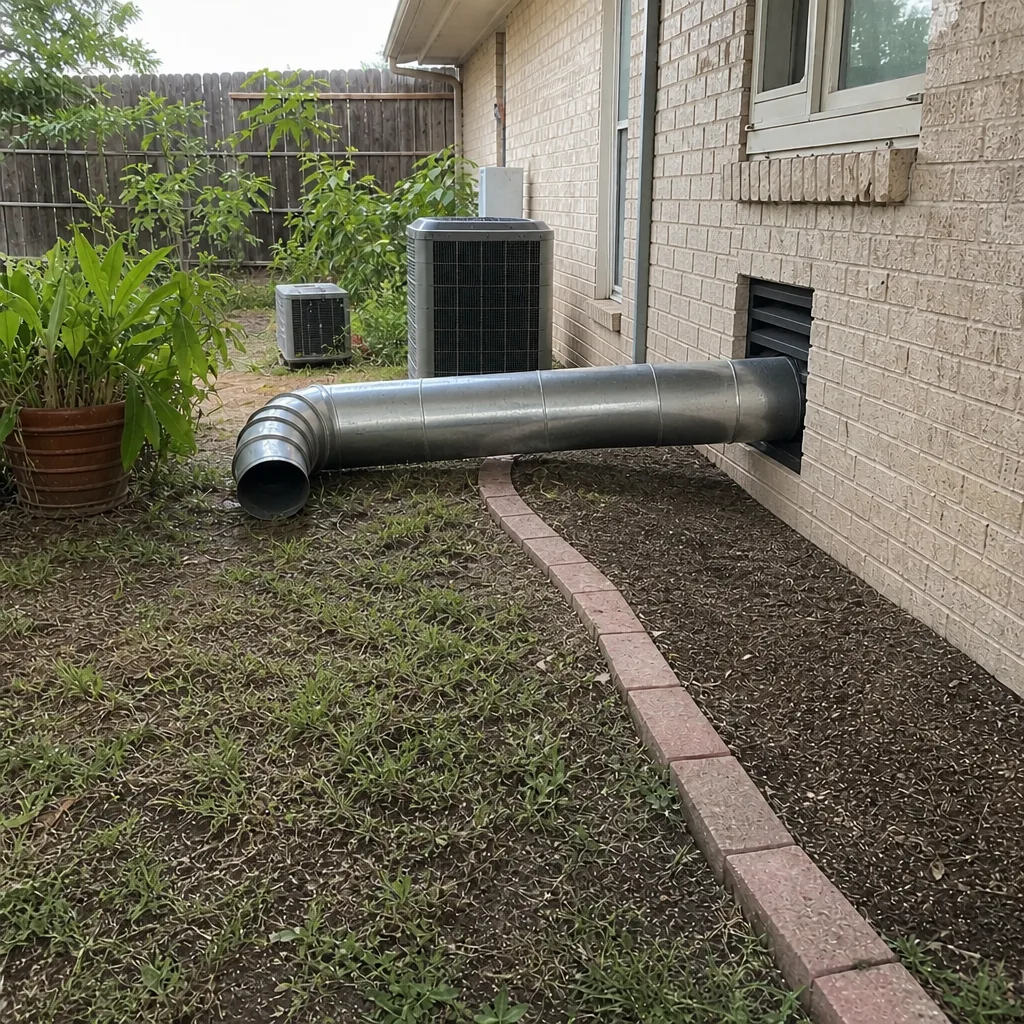 After
When to Call a Professional
Call a professional when you notice airflow problems between rooms, visible debris or dust blowing from a register, musty odors in the system, or a dryer that takes more than one cycle to dry clothes. Also call if it’s been years since the system was cleaned and you’ve never had an inspection, or if you’ve recently moved into a Wichita Falls home and don’t know the ductwork history. These are situations where a proper inspection tells you more than any online guess. Forge Duct Cleaning offers free estimates in Wichita Falls, and we price per system, not per vent. Call (844) 230-0769. We answer 24/7. Fast dispatch from 7am to 7pm, Sunday through Friday.
Frequently Asked Questions
Air duct cleaning in Wichita Falls typically costs about $350 to $550 for a 1,500 sq ft home, $500 to $800 for 2,500 sq ft, and $750 to $1,200 or more for 3,500 sq ft, depending on access, duct material, and whether repair is needed. The written estimate sets the final price after an inspection. Call (844) 230-0769 for a free estimate.
Cheaper quotes cover less work: they usually clean the supply vents only, skip the return side and plenum, and assume an easy system with standard access. Once the technician counts your actual vents and finds your actual plenums, the price adjusts, which is how a low quote grows. A flat per-system price agreed after inspection is the more honest structure. Call (844) 230-0769 for a quote based on your actual system.
Ask for before-and-after photos of your own ducts, not stock images. A company doing the work properly can document the system before and after and show you the difference. If a company can’t show you your own ducts, that tells you something about the level of accountability. Call (844) 230-0769 to ask how we document each job.
Most homes do fine with cleaning every three to five years, though it depends on the home. Homes with pets, recent renovation dust, or a history of water intrusion typically need it more often. A home with no pets and a well-maintained system may go longer between cleanings. An inspection answers the question better than a calendar. Call (844) 230-0769 for a free estimate.
Mild winters here mean the cooling system runs hard for a long stretch each year, which keeps the return side and plenum collecting debris. That doesn’t make cleaning urgent on its own, but it means the system works harder and the return side matters as much as the supply side. A full-system cleaning that includes the return and plenum is the right scope for this climate. Call (844) 230-0769 for an estimate on your system.
Cleaning removes accumulated debris from inside the duct system. Repair restores structural problems like separated joints, crushed runs, or disconnected flex duct. Cleaning can’t fix a duct system that’s losing air through a gap. Forge Duct Cleaning offers both, so a single inspection can identify and address either problem. Call (844) 230-0769 to book a free estimate.
The Bottom Line
The number on a duct cleaning quote tells you far less than the scope behind it. A legitimately priced full-system cleaning in Wichita Falls in 2026 runs roughly $350 to $1,200 depending on home size, access, and duct material, and the written estimate is what sets the final price. The trap is per-vent pricing that starts low and grows once the technician is on site. Whole-system pricing, agreed after an inspection, is the structure that holds. Ask what’s included, ask about the return side and plenum, and ask for photos of your own ducts. That’s how you read a quote like a technician does. Forge Duct Cleaning builds its pricing around the system, not the vent count, and we repair what we find. We answer 24/7, with fast dispatch from 7am to 7pm, Sunday through Friday.
For a free estimate on your Wichita Falls home, call (844) 230-0769. For more on how we work, visit Forge Duct Cleaning.
Written by the team at Forge Duct Cleaning.