
Last updated November 15, 2026
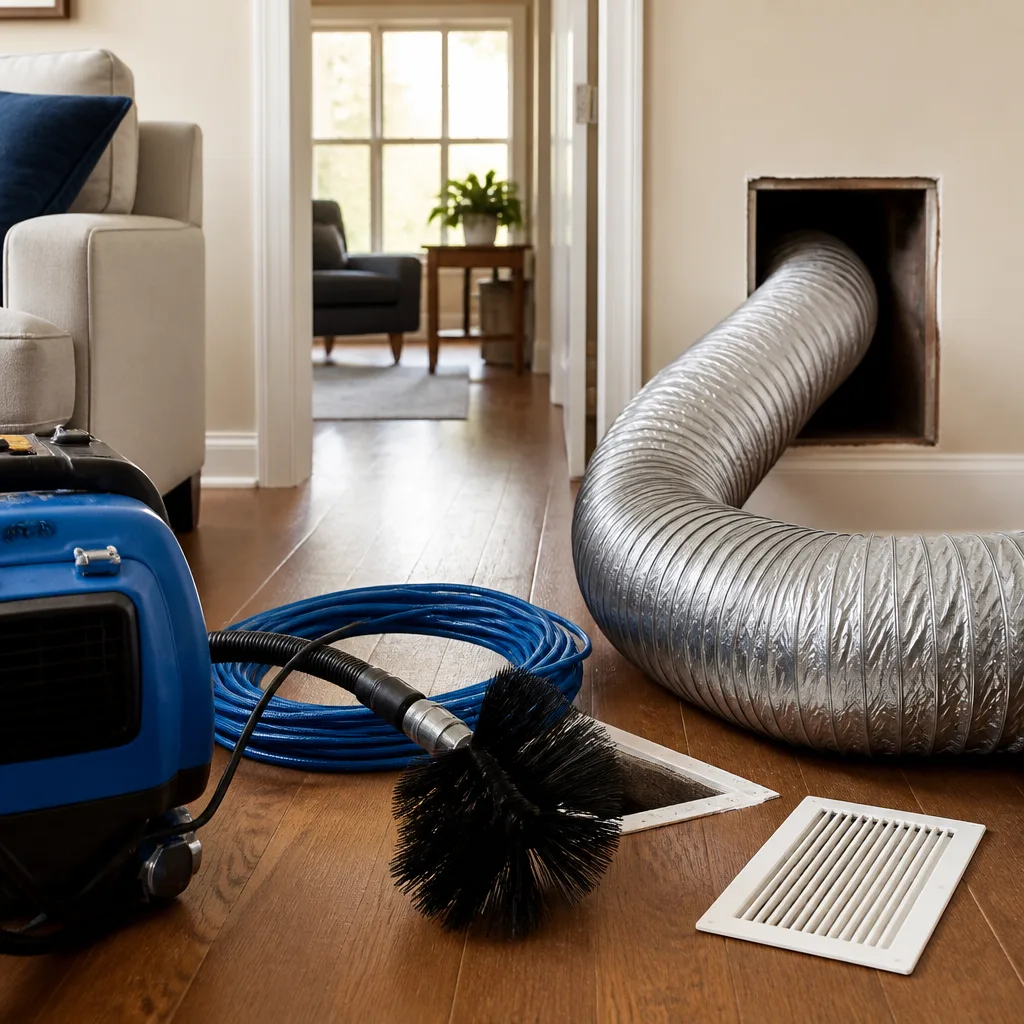 Whole-home duct cleaning
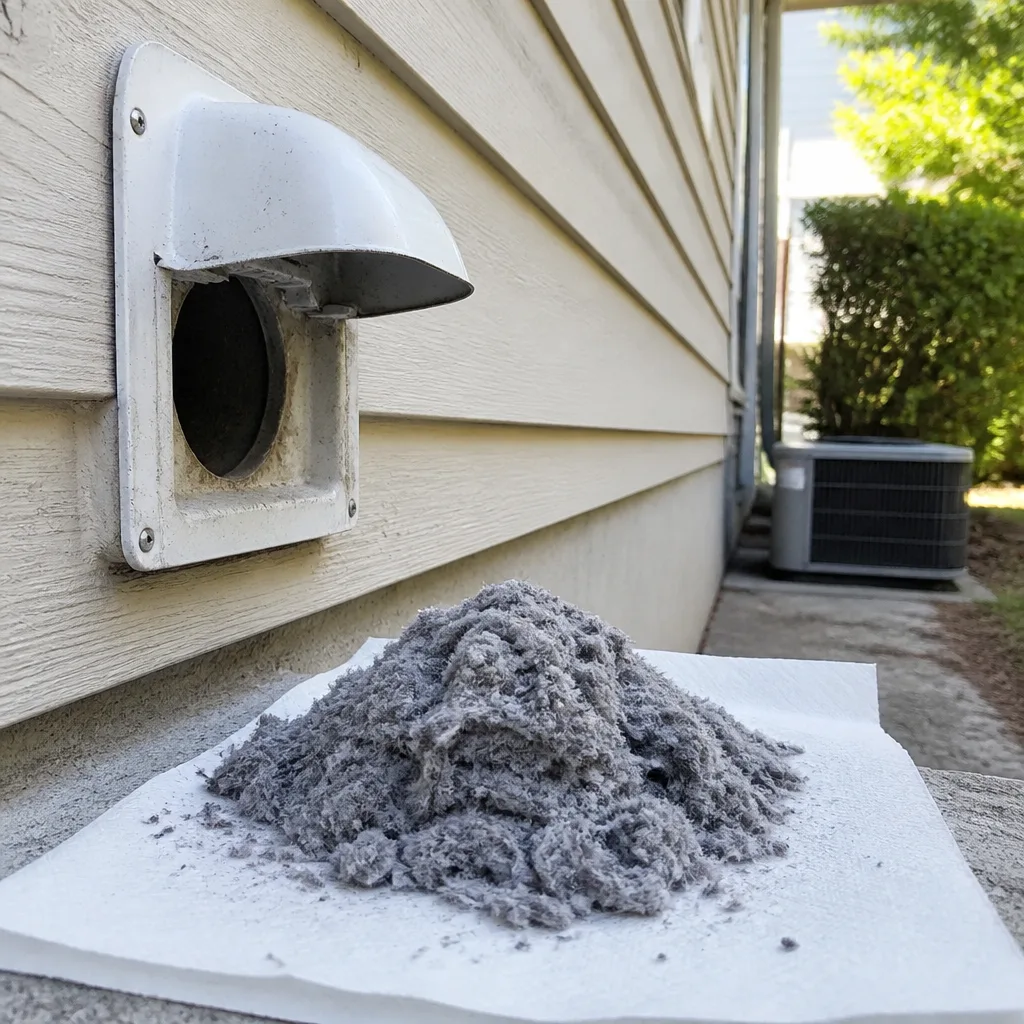 Dryer vent cleaning
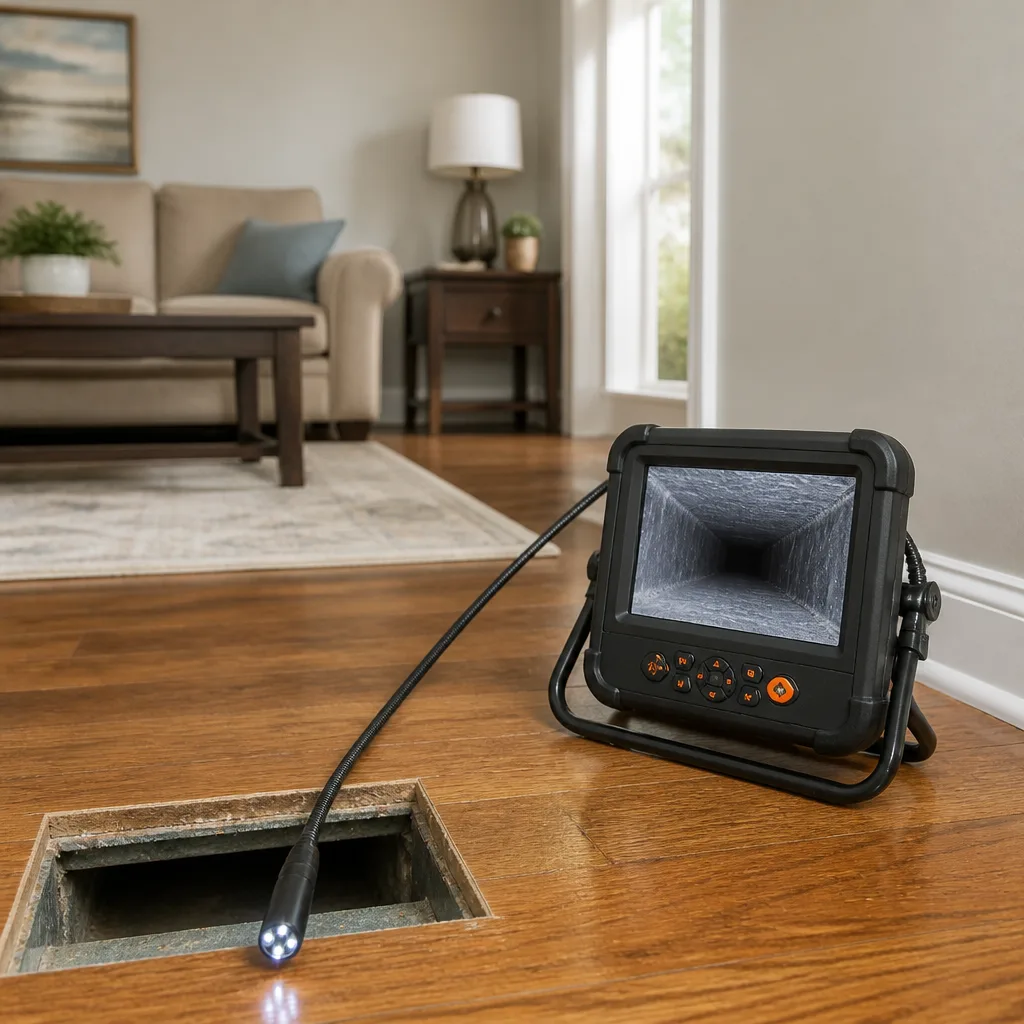 Camera inspection
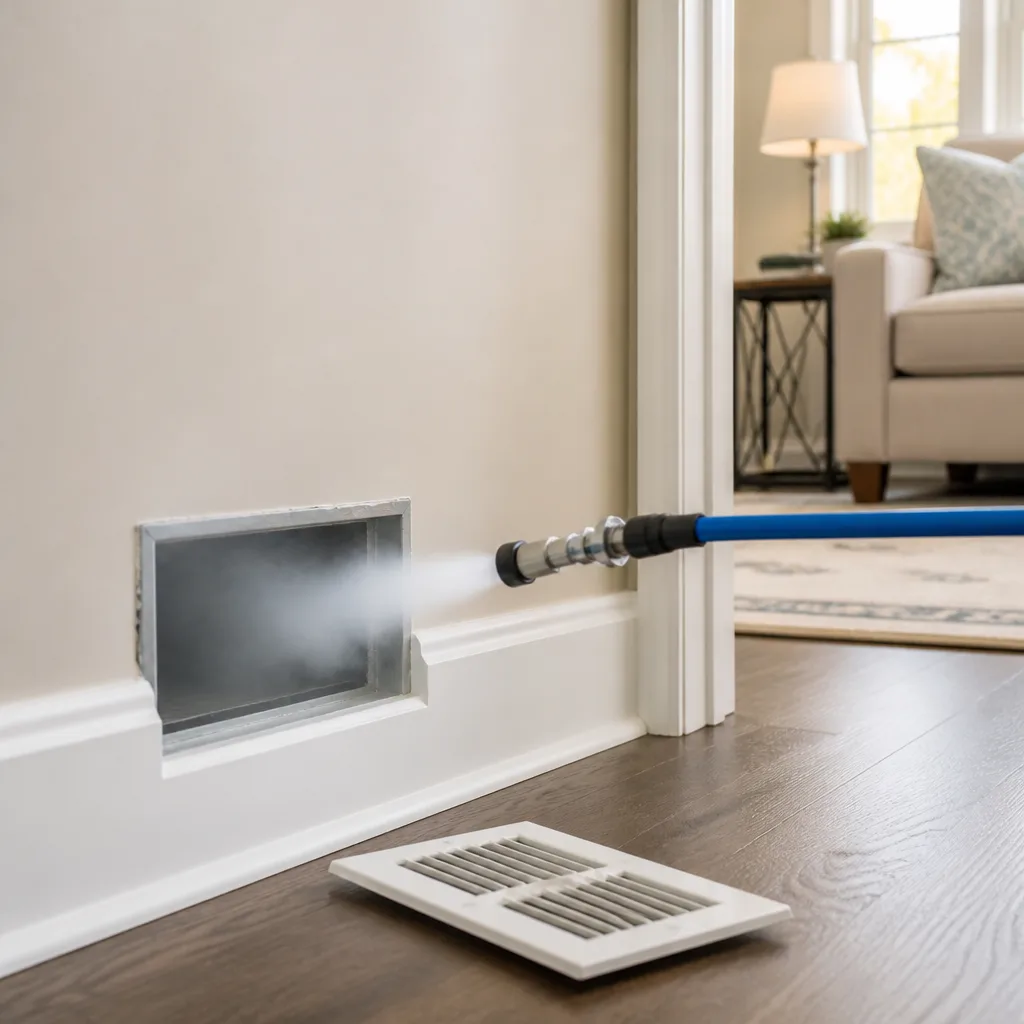 Sanitizing & deodorizing
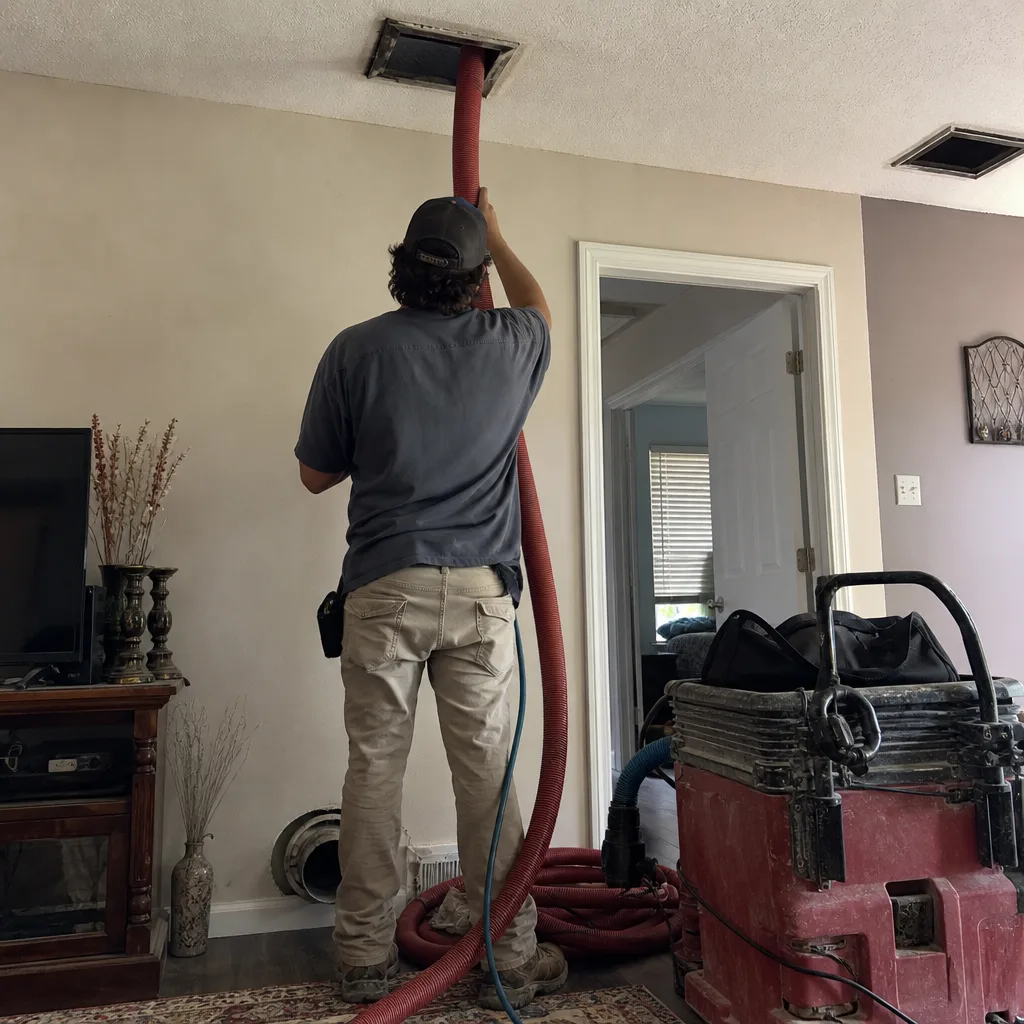
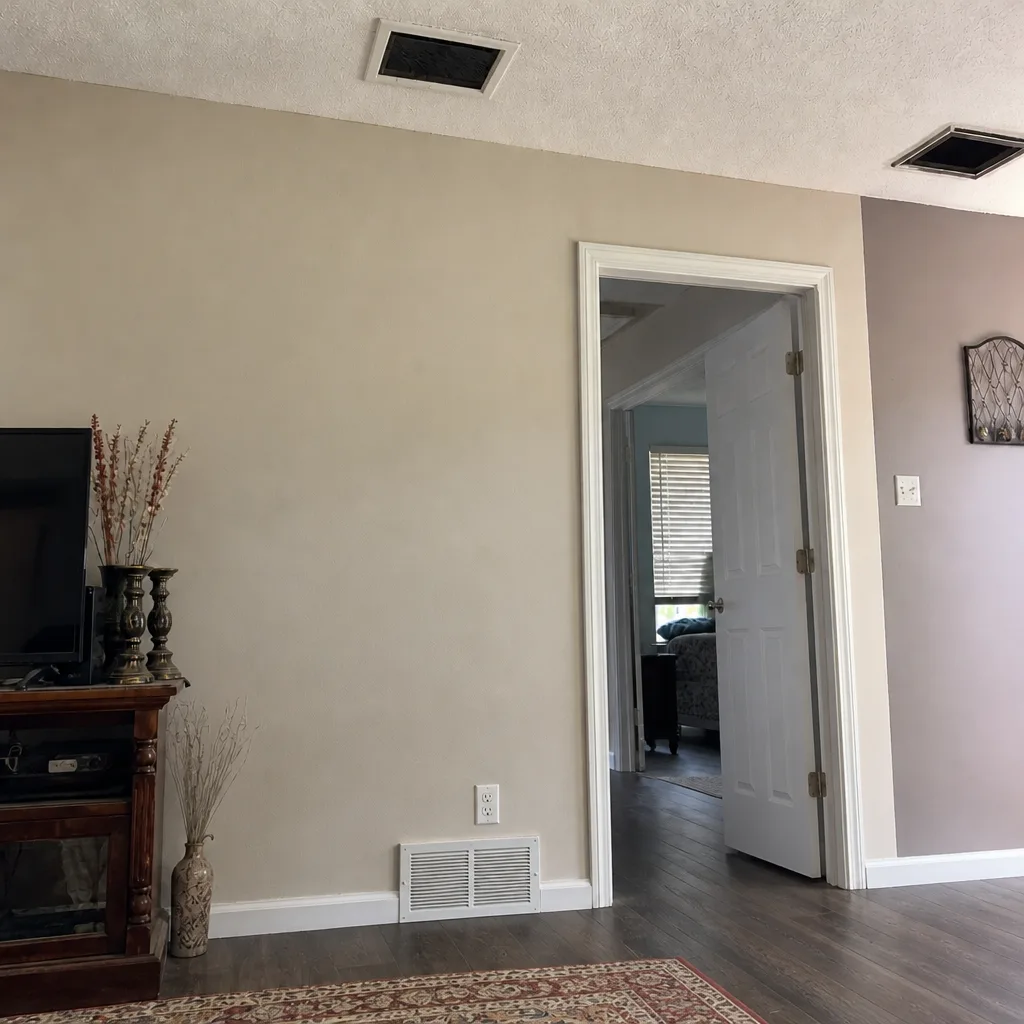
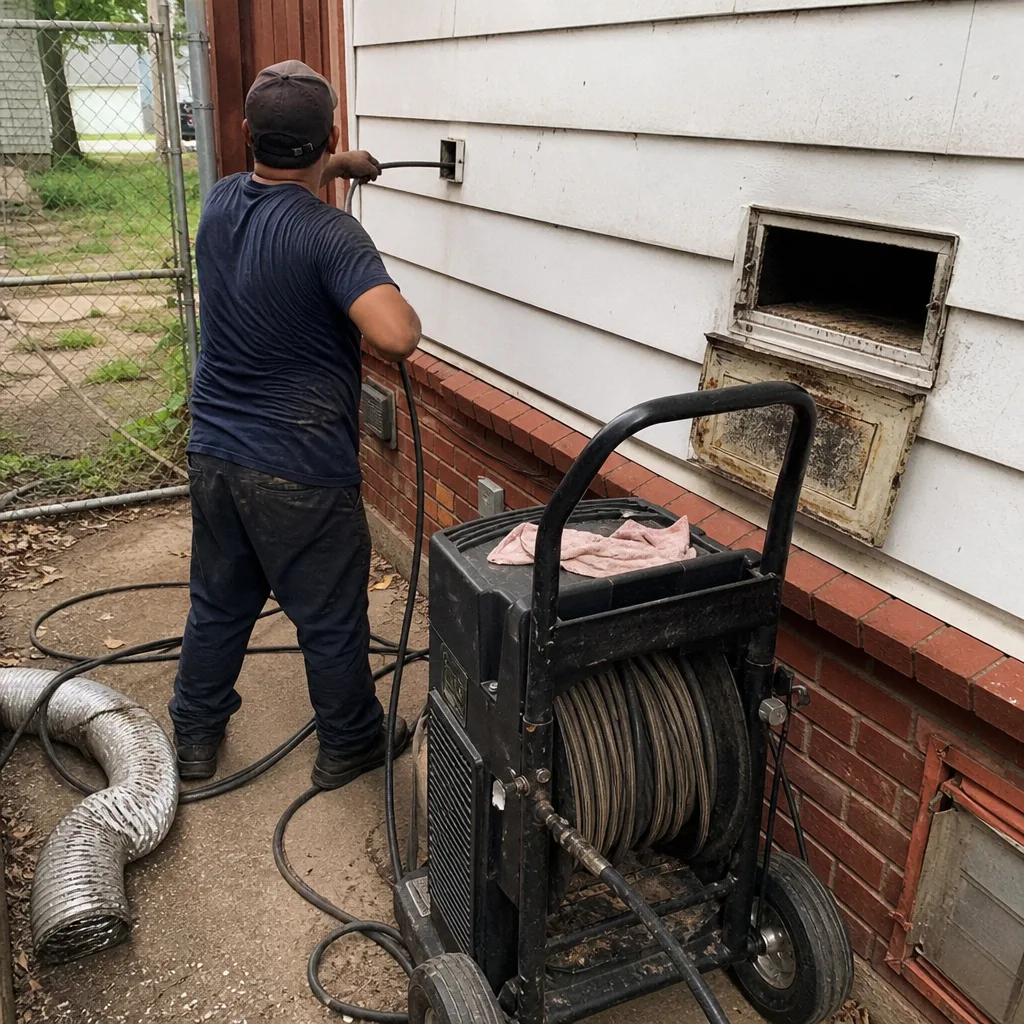
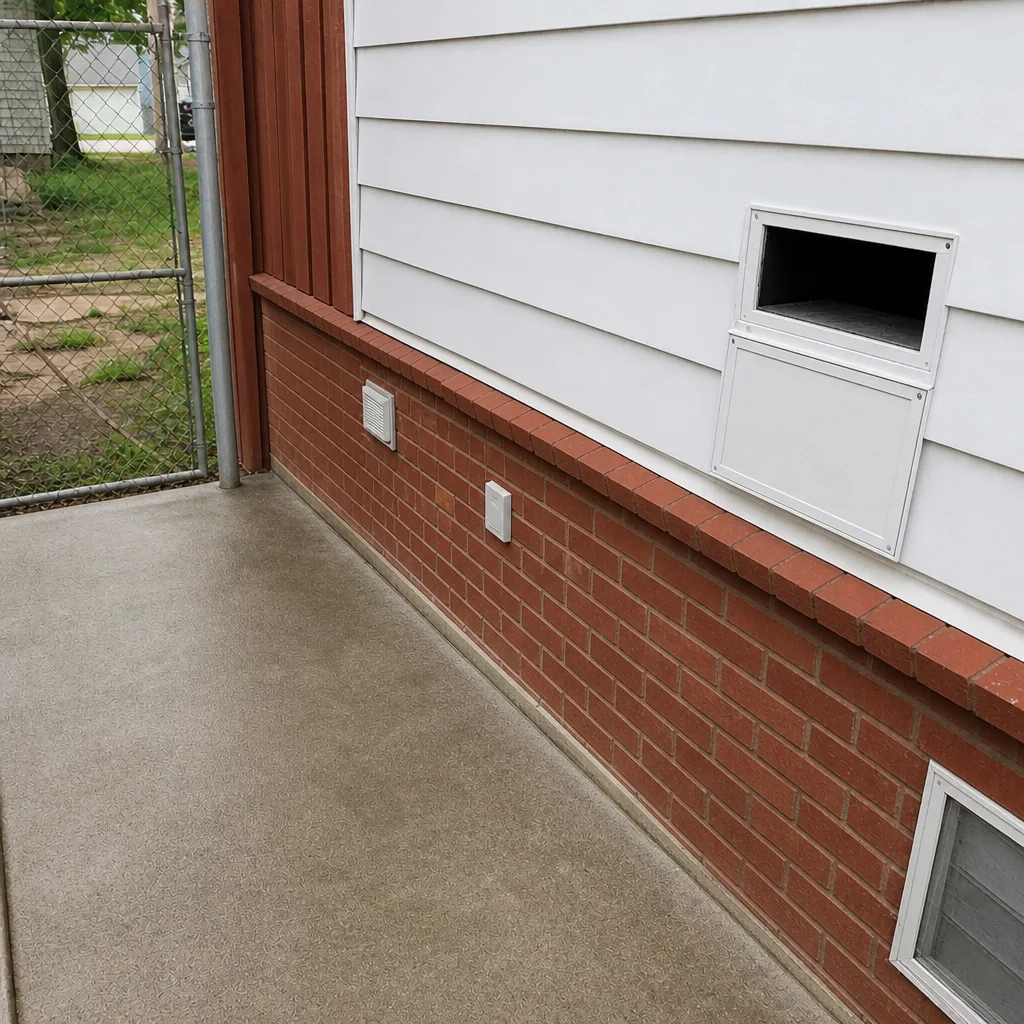
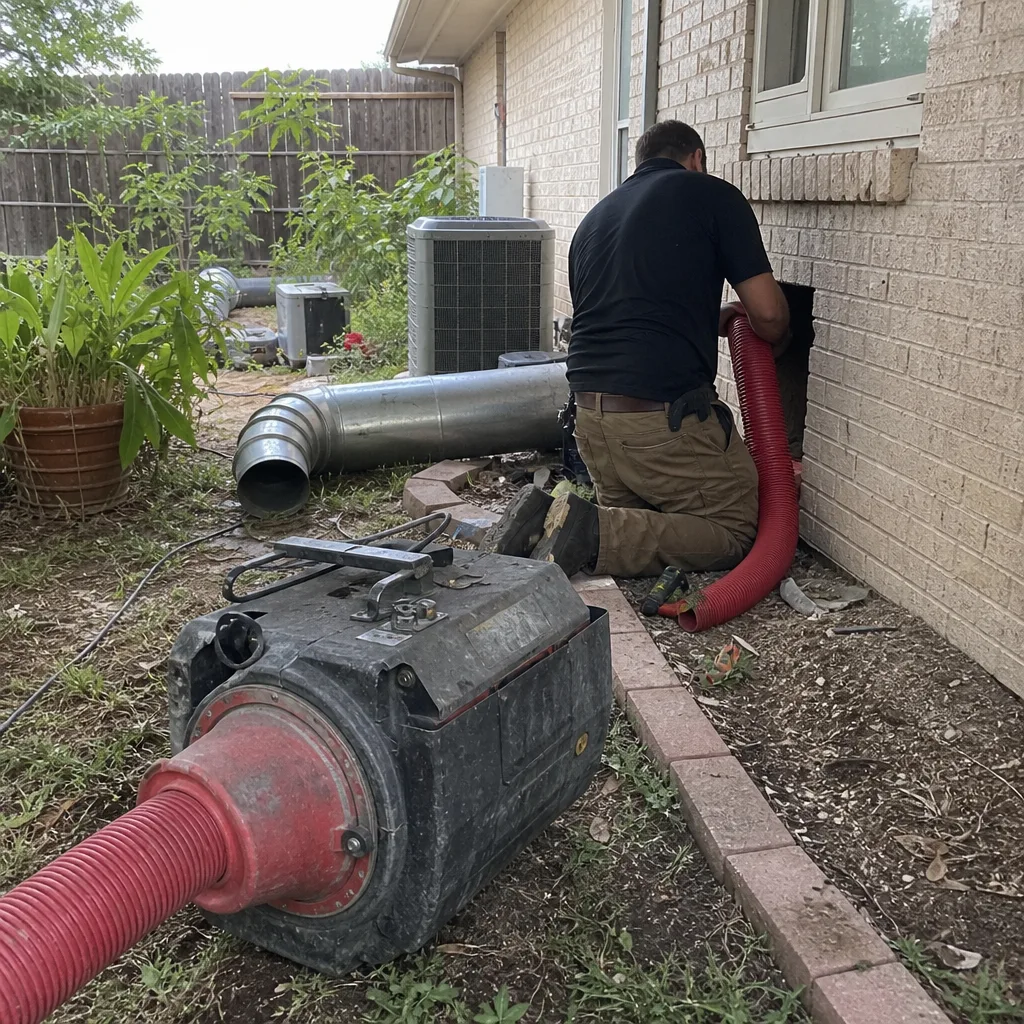
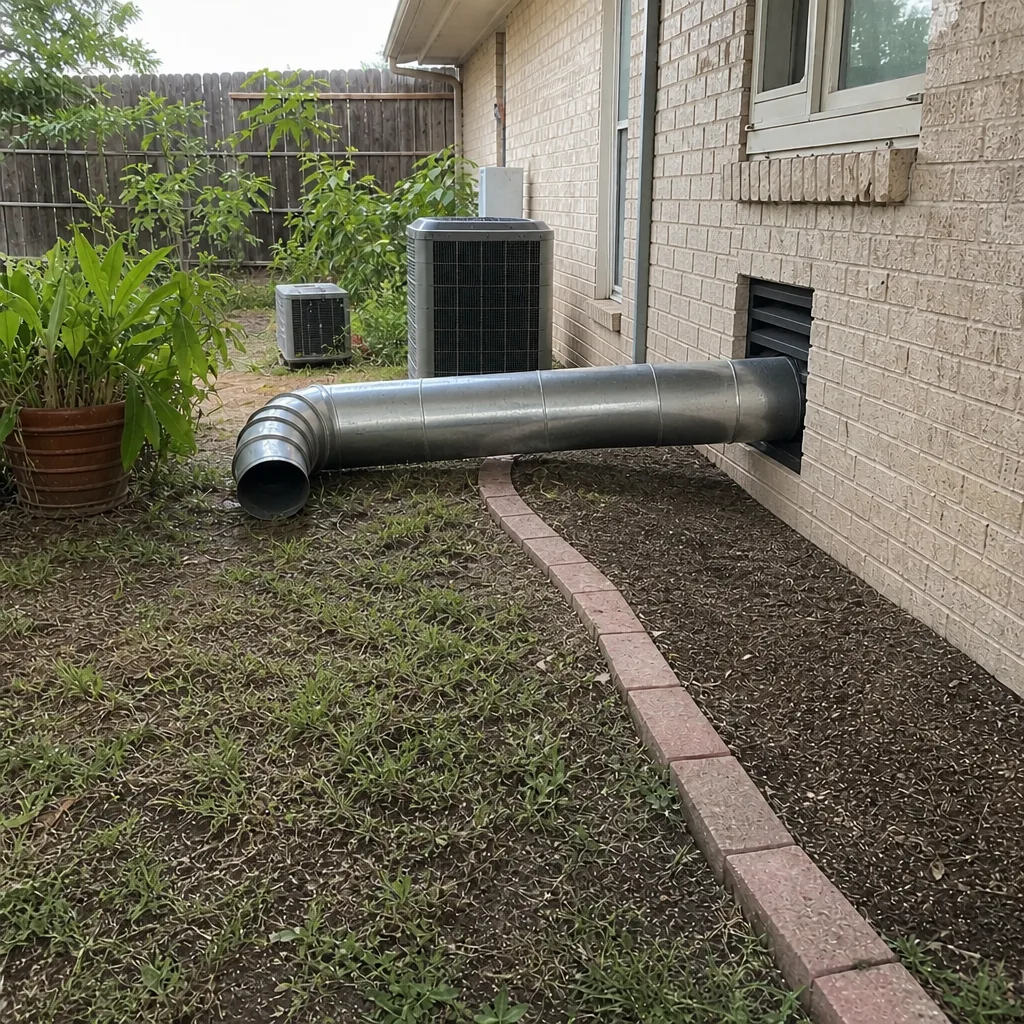
Whole-system duct and dryer vent check with before-and-after photos - you see exactly what came out of your vents
That "$99 whole-house special" is a bait ad - the real number appears once they are in your hallway, or the "clean" is a shop-vac at the register. We photograph the inside of your ducts before and after instead.
Air Duct Cleaning Emergency Preparedness Guide for Wichita Falls Homes
Most homeowners in Wichita Falls think about their ducts when the air smells wrong or the power bill climbs. The real risk sits elsewhere. A severe storm can push debris, moisture, and fine grit into a duct system in a single afternoon, and the damage doesn’t announce itself. The HVAC keeps running, the house seems normal, and contamination settles into the trunk lines and flex runs where you never look. We’ve pulled storm debris out of ducts weeks after a system was “cleaned” by someone who only vacuumed the grilles. This guide walks you through the honest post-storm sequence for Wichita Falls homes: what to check first, what to leave off, what to document, and how to hire under pressure without getting taken. Read it before you need it.
Quick Answer
After a tornado, severe hail, or a high-wind event in Wichita Falls, don’t run your HVAC system until you’ve checked the return and supply for visible debris, water intrusion, and displaced equipment – then call a duct specialist for an inspection and cleaning before normal operation resumes. If wildfire smoke or heavy dust sits over the area, keep the system on low fan with a clean filter to pressurize the house, but avoid running it during the peak of the smoke event if outdoor air quality is worse than indoors. Document everything with photos and airflow readings before anyone touches the system.
Styles & brands we work with
- Whole-home duct cleaning
- Dryer vent cleaning
- Camera inspection
- Sanitizing & deodorizing
Table of Contents
- Why Your Duct System Is a Storm Vulnerability in Wichita Falls
- The Post-Storm Duct Inspection Sequence
- Should You Run the HVAC System After a Storm?
- Where Tornado and Hail Events Compromise Duct Integrity
- Wildfire Smoke Protocol for Wichita Falls Homes
- What to Document for Insurance Before Cleaning or Repair
- The 15-Minute Vetting Process for Emergency Duct Contractors
- Duct Repair vs. Cleaning: When You Need Both
Why Your Duct System Is a Storm Vulnerability in Wichita Falls
Wichita Falls sits squarely in Tornado Alley, and the region’s history of major storm events is not an abstraction for anyone who lives here. The 1979 tornado reshaped whole neighborhoods, and the rebuilding that followed left a long shadow: homes reconstructed quickly sometimes had duct systems that were pieced back together without addressing infiltration points. Years of grit, moisture, and biological growth followed. The lesson from that generation of homes still applies to any storm repair today. The duct system is often the last thing anyone thinks about and one of the first places contamination collects.
Here’s what makes ducts uniquely vulnerable in this climate. Wichita Falls summers are hot and dry, winters are mild, and the swing between the two keeps HVAC systems running hard for most of the year. That constant airflow pulls air from wherever the system leaks. Under normal conditions, small gaps in flex duct joints, attic boots, and exterior wall penetrations leak a modest amount. After a storm, those same gaps become entry ports for windblown debris, insulation fibers, and moisture carried on the pressure change.
The duct system is also the one part of your house you can’t see. A displaced attic air handler or a torn flex run in a soffit looks identical from inside the living space. That’s why the post-storm response has to be systematic. In our experience, the homes that recover fastest aren’t the ones with the newest equipment – they’re the ones where the transition from storm to normal operation included a proper duct inspection and, where needed, a repair.
Compare that to the standard duct cleaning you’d schedule as routine upkeep. Routine air duct cleaning addresses accumulated dust and debris from normal use. Storm response is different: it starts with integrity checks, moves through contamination assessment, and often ends with physical repair. Two different jobs, two different tool sets. Treating a post-storm system like a routine cleaning is one of the most common mistakes we see.
The Post-Storm Duct Inspection Sequence
This is the sequence we recommend any time a significant weather event has passed over Wichita Falls. You can do the first steps yourself safely. Leave anything involving the attic or electrical connections to a professional if you’re not comfortable up there.
- Shut the system off at the thermostat. Before you check anything, set the thermostat to OFF and let the fan stop. Running a compromised system pushes debris deeper and can pull moisture into the air handler.
- Look at every supply and return grille. Remove the grilles and look inside with a flashlight. Visible debris, dark staining, damp insulation, or a musty smell are all signs the system needs professional attention before you run it.
- Check the filter and filter slot. A filter that’s suddenly loaded with grit or fine soil after a storm means contamination got into the return side. Change it, but keep the dirty one as evidence for insurance if you’re filing a claim.
- Inspect the attic if accessible. Look for displaced air handlers, disconnected flex duct at the plenum, torn insulation on duct runs, and water staining on the decking above the equipment. Do not touch electrical connections.
- Check exterior penetrations. Where ducts terminate at exterior walls – supply boots, the condensate line, and any fresh-air intake – look for gaps, torn flashing, or debris packed against the opening.
- Note airflow at each register. With the system back on briefly (only if steps 1 through 5 came back clean), hold your hand at each supply. Weak or uneven airflow at one or more registers points to a disconnected or crushed run.
- Photograph everything before proceeding. We’ll cover the insurance documentation in detail below, but start capturing photos now.
If any of steps 2 through 5 turn up a problem, stop. Don’t run the system until a specialist has looked at it. That’s the short version of the whole guide.
Should You Run the HVAC System After a Storm?
Not until you’ve checked for debris, moisture, and displacement. Running a compromised system is the fastest way to spread storm contamination through an entire house. But there’s a nuance here that matters for different kinds of events.
After a tornado or severe wind event
Leave the system off. Wind events are the highest-risk scenario for physical damage – displaced equipment, torn duct connections, and debris intrusion. Running the blower in this condition pulls contaminants deeper into the system and can push debris into the air handler coil, which turns a cleaning job into an equipment repair.
After a severe hail event
Hail itself rarely damages ducts directly, but the wind and pressure changes that accompany a hail storm can. Check the same items on the inspection sequence. If everything looks intact, brief system operation is fine.
After a dust or smoke event
This is where running the system can actually help – with conditions. Covered in detail in the wildfire smoke section below.
If you’re unsure which category your situation falls into, be conservative. A day without air conditioning in a Wichita Falls summer is uncomfortable. A day of running a contaminated system can take weeks to reverse. Call (844) 230-0769 if you want a read on it. We answer 24/7. Fast dispatch from 7am to 7pm, Sunday through Friday.
Where Tornado and Hail Events Compromise Duct Integrity
Storm damage to ducts isn’t random. The same failure points show up again and again in the Wichita Falls homes we inspect. Knowing them helps you look in the right places first.
- Attic air handler displacement. Air handlers are heavy but not bolted down in most older Wichita Falls homes. A pressure change or roof breach can shift the unit on its platform, pulling flex duct connections loose at the plenum. That’s a leak you can’t see from inside.
- Exterior wall penetrations. Supply boots at exterior walls are common failure points. Wind-driven rain and debris find gaps in the flashing and around the duct collar. This is where moisture intrusion starts.
- Flex duct at joist bays and soffits. Flex runs routed through tight attic spaces get crushed, kinked, or torn when insulation shifts during a storm. A crushed run cuts airflow to the registers it serves.
- Return plenum connections. The return side is under negative pressure, so a torn return connection pulls attic air – insulation fibers, dust, pest debris – directly into the system.
- Roof curb and penetration seals. Where the HVAC system penetrates the roof, storm-driven rain can track down the duct chase. Water damage in a duct chase is a repair job, not a cleaning job.
- Filter slot and cabinet seams. Fine grit blows into every gap. Seams that were tight before the storm let air – and contamination – through after.
If your home lost roof covering, had window or door breaches, or took visible exterior damage, assume at least one of these failure points is present until a professional has checked. The cleaning pass happens after the repair pass, never the other way around. This is where the Forge approach matters: we repair what we find, we don’t clean around it. Calling a cleaning-only crew first often means paying for the same job twice.
Properties in older neighborhoods near downtown and along the older corridors of Wichita Falls tend to have flex duct systems installed during retrofit programs, which makes them more vulnerable to displacement than newer rigid-duct installs. If your home predates the 1990s and hasn’t had a duct inspection, that’s a reason to schedule one before the next storm season.
Wildfire Smoke Protocol for Wichita Falls Homes
Wildfire smoke events are a real air quality concern in this part of Texas, and they don’t require a fire in Wichita County – smoke from regional fires carries. When a smoke event settles over the area, your HVAC system can either be your best defense or the fastest way to pull contaminated air inside. The difference is how you run it.
How to operate the system during a smoke event
- Set the fan to “on” instead of “auto.” Continuous fan circulation with a clean filter keeps indoor air moving through the filter media rather than sitting and letting smoke settle into soft surfaces.
- Use a high-quality filter that fits your cabinet. Don’t force an oversized filter into a slot designed for a thinner one – it starves the system of airflow. Match the filter to the cabinet.
- Seal obvious infiltration points. Window gaps, door sweeps, and dryer vent dampers that don’t close fully pull smoke in on the pressure differential. This is temporary: a basic weatherstripping pass during a smoke event goes a long way.
- Avoid running exhaust fans for long stretches. Bath fans and range hoods pull air out of the house, and that air has to come from somewhere – usually through the smallest gaps, carrying smoke with it.
- Turn the system off at the worst of the event if outdoor air is worse than indoor. If your filter is heavily loaded and the outdoor smoke is thick, the system is moving contaminated air through a saturated filter. Change the filter, then resume.
After the smoke event clears
Schedule a professional duct inspection if the smoke event lasted more than a few days or if you notice lingering odor indoors. Smoke particles are fine enough to accumulate in flex duct and on the air handler coil. That’s the point where a duct cleaning stops being optional upkeep and starts being air quality remediation. Abatement Technologies equipment is what we bring to these jobs – it’s built for contamination work, not just dust removal.
Homes with Honeywell or Aprilaire whole-home air quality equipment already installed are usually in better shape; those systems filter and treat air at a different level than a standard filter slot can. If you don’t have one, the smoke event is a good reminder to look at it.
What to Document for Insurance Before Cleaning or Repair
Do this before anyone touches the system. Once cleaning or repair begins, the damage is gone and your claim gets harder. Insurance adjusters need to see the condition as the storm left it, and the documentation you collect in the first few hours after an event is often the difference between a covered repair and a disputed one.
The photo checklist
- Every supply and return grille with the grille removed and a flashlight illuminating the interior
- The air handler and its platform from multiple angles
- Every visible duct connection at the plenum, boots, and transitions
- Water staining anywhere near duct runs, especially in the attic
- Exterior penetrations and roof penetrations with a wide shot for context
- The dirty or storm-loaded filter sitting in the filter slot before you change it
- Any exterior damage to the home that correlates with the duct issue
The airflow documentation
Write down the airflow reading at each register – a simple hand test (“strong, medium, weak, none”) is enough for the initial documentation. A professional inspection will bring actual measurement equipment. Your initial notes establish a baseline that the inspection can confirm or update. Include the date and time for each reading.
What to keep
Keep the old filter in a sealed bag. Keep a printed or PDF copy of every photo with the date visible in the file name. Keep a written log of the sequence: when the storm passed, when you shut down the system, when you called for inspection. If you’re working with a property manager or landlord, share the documentation before authorizing cleaning or repair so the responsibility and the claim stay clear.
One note for the Wichita Falls homeowner specifically: if your home is in an area that saw roof or structural damage, the duct issue may be a downstream consequence of the roof breach. Document the two together. That context is what an adjuster needs to see to approve the duct work as part of the overall storm claim.
The 15-Minute Vetting Process for Emergency Duct Contractors
After a major weather event, duct “specialists” appear quickly. Some are legitimate companies running toward the work, and some are opportunists running toward the money. In the pressure of a storm recovery, you don’t have time for weeks of research, but you do have time for a 15-minute vetting call. These questions separate the two categories fast, and any competent duct contractor will answer them without hesitation.
- “What equipment do you run?” Professional-grade systems have names. Rotobrush and Nikro are the industry-standard duct cleaning systems, and if the answer is vague or involves a shop vac with a long hose, that’s a sign the job won’t be done to a professional standard. This is the single most useful question on the list.
- “Do you repair ducts or only clean them?” Post-storm, the honest answer from a cleaning-only company is that they don’t repair. That’s fine if you only need cleaning, but if the inspection turns up a displaced air handler or torn flex connection, you’ll be hiring someone else, likely paying twice. Ask the question up front.
- “What does the estimate include, and is it a written estimate?” A legitimate contractor prices per system, not per vent, and puts the number in writing before any work starts. Anyone pricing per-vent or refusing to give a written estimate is a red flag.
- “Will you take before-and-after photos of my ducts?” Yes is the only acceptable answer. Photos are how you confirm the work happened, and how you validate the job for insurance.
- “What do you do about contamination and air quality remediation?” Post-storm jobs often involve more than dust. A contractor who has Abatement Technologies equipment or comparable air-quality remediation capability can handle what storm intrusion leaves behind. One who only cleans can’t.
- “Are you licensed and insured?” You shouldn’t have to ask, but ask. A legitimate company offers the information without defensiveness.
- “What’s the process?” The answer should walk through inspection, containment, cleaning, and – if needed – repair, in that order. A sales pitch instead of a process description is a sign to keep calling.
If a contractor can’t get through these questions in a 15-minute call, move on. The Forge Duct Cleaning approach is built to answer every one of them: Rotobrush and Nikro equipment, Abatement Technologies on hand, duct repair as a core service, and before-and-after photos of your own ducts on every job. If you want a comparison point, call (844) 230-0769 for a free estimate. We answer 24/7.
Duct Repair vs. Cleaning: When You Need Both
In a routine job, cleaning is the whole scope. After a storm, cleaning is often the second half of the job. If a duct run is torn, disconnected, or crushed, cleaning the system first just means the contamination returns through the compromised section. Repair restores integrity; cleaning removes what’s inside the repaired system. The order matters.
Where we see repair as the primary need:
- Displaced attic air handler or loosened plenum connections
- Torn or crushed flex duct runs in the attic or soffit
- Failed exterior wall boots and their flashing
- Water intrusion that damaged duct insulation
- Cabinet seams that no longer seal under system pressure
Where cleaning alone is the right scope:
- Debris intrusion with an intact duct system
- Post-storm dust accumulation in a system that checks out structurally
- Wildfire smoke particle buildup with no physical damage
- Standard maintenance cleaning unrelated to a storm
In our experience, a post-storm call often starts as a cleaning request and ends as a repair and cleaning. That’s the right outcome. Forge is set up for exactly this – repair and cleaning as two halves of one job rather than two separate calls. Property managers and landlords benefit here too; a single inspection and a written estimate covering both scopes keeps a larger storm response organized.
If your storm response doesn’t involve ducts but does involve the dryer vent – a common situation after a pressure event pushes lint out of position – that’s a separate service. dryer vent cleaning is worth scheduling in the same call so the full system gets a fresh baseline.
Common Mistakes to Avoid
- Running the system before you’ve checked it. The pressure move most homeowners make after a storm is turning the AC back on the moment the power returns. That’s the fastest way to push storm debris into the air handler and turn a cleaning into a repair.
- Skipping the photos. Once cleaning starts, the evidence is gone. If you plan to file an insurance claim, the photos have to happen first. This is the single most common mistake we see on post-storm claims in Wichita Falls.
- Hiring a cleaning-only contractor for a repair job. A crew that shows up with cleaning equipment and no repair capability will clean around the problem. You get a “clean” system and the same leak still pulling attic air into your house.
- Accepting a per-vent price. Duct work is priced per system, not per vent. The per-vent model almost always leads to an inflated final bill once the technician is on site. Ask for a written estimate on the whole system.
- Believing the filter swap is the whole job. A new filter is a good start and not an air duct cleaning. Filters catch what reaches them; they don’t clean the duct interior.
- Ignoring the smoke event because there was no fire nearby. Regional wildfire smoke travels, and the air quality impact is real even when the fire isn’t in the county. If the smoke event lasted days, the ducts saw it.
- Filing the insurance claim without the duct scope. Adjusters work from what’s documented. If the duct work isn’t in the claim because it wasn’t photographed, it likely won’t be approved later.
See the difference
 Before
 After
 Before
 After
 Before
 After
When to Call a Professional
Call a professional duct specialist if any of the following is true after a storm in Wichita Falls: you see debris or staining inside any grille, the filter loaded unusually fast, airflow dropped at one or more registers, the attic shows displacement or water staining near ductwork, or the event involved significant exterior damage to the home. Also call if a smoke event lasted multiple days and you’re noticing lingering odor indoors. These are the situations where a proper inspection and, if needed, a cleaning and repair are more than routine maintenance – they’re storm recovery. Forge Duct Cleaning offers free estimates in Wichita Falls. Call (844) 230-0769. We answer 24/7. Fast dispatch from 7am to 7pm, Sunday through Friday. Our technicians have up to 15 years of experience on duct systems, and the written estimate sets the final price before any work begins.
Frequently Asked Questions
As soon as you’ve documented the damage and confirmed the structural safety of the home. A same-day inspection is ideal after a tornado or severe wind event because damage compounds – moisture intrusion becomes biological growth, and debris that sits in a duct system loads the air handler more with every hour the system runs. If you can’t get an inspector out the same day, leave the system off until you can. Call (844) 230-0769 for scheduling.
Yes. Duct systems are largely hidden behind walls and in the attic, so visible exterior and interior condition says nothing about duct integrity. A displaced attic air handler or a torn return connection can exist in a house with no visible damage inside. That’s why the post-storm inspection sequence matters – you’re checking the parts of the system you can’t see from the living room.
Pricing varies by system size, contamination level, and whether repair is part of the scope. What matters is that the estimate is written, per system rather than per vent, and given before any work starts. A low advertised price that grows once the technician is on site is the pattern to watch out for. Call (844) 230-0769 for a free estimate – the written estimate sets the final price.
Run the system on continuous fan with a clean, correctly sized filter to keep indoor air moving through the filter. Seal obvious gaps at windows and doors. Avoid running exhaust fans for long stretches. If the smoke event lasts more than a few days, schedule a duct inspection afterward, because fine smoke particles accumulate in flex duct and on the air handler coil.
Coverage depends on your policy and the type of storm damage involved, so the answer is that it varies. What you control is the documentation. Photos of the ducts before cleaning, airflow readings, and a written log of the sequence give your adjuster what they need to evaluate the claim. Get the documentation done before anyone starts work. If you’re unsure what to photograph, call (844) 230-0769 and we’ll walk through it before your inspection.
Before-and-after photos of your own ducts. Any legitimate duct cleaning contractor should offer them without being asked, and they’re the best confirmation that the job was done. For post-storm work, the photos double as insurance documentation. This is one of the reasons we build photos into every Forge job – not just the ones where the customer asks.
The Bottom Line
Storm season in Wichita Falls is a fact, and your duct system is one of the most overlooked parts of the house when it comes to storm recovery. The short version of everything above: shut the system off, inspect the visible points, document with photos and airflow readings, then call a specialist who can both clean and repair. Vetting a contractor takes fifteen minutes and protects your claim, your system, and your indoor air quality. The homes that come through a storm well are the ones that treated duct integrity as part of the recovery, not an afterthought. If you’re unsure where your system stands, start with a free estimate.
Call (844) 230-0769 for a free estimate on duct cleaning, duct repair, or a post-storm inspection in Wichita Falls. We answer 24/7. Fast dispatch from 7am to 7pm, Sunday through Friday. Our technicians have up to 15 years of experience, and we bring Rotobrush and Nikro equipment, Abatement Technologies capability, and duct repair as a core service – the full scope a post-storm system needs. The written estimate sets the final price before any work begins, and you’ll see before-and-after photos of your own ducts on the way out.
Written by the team at Forge Duct Cleaning.