
Last updated November 15, 2026
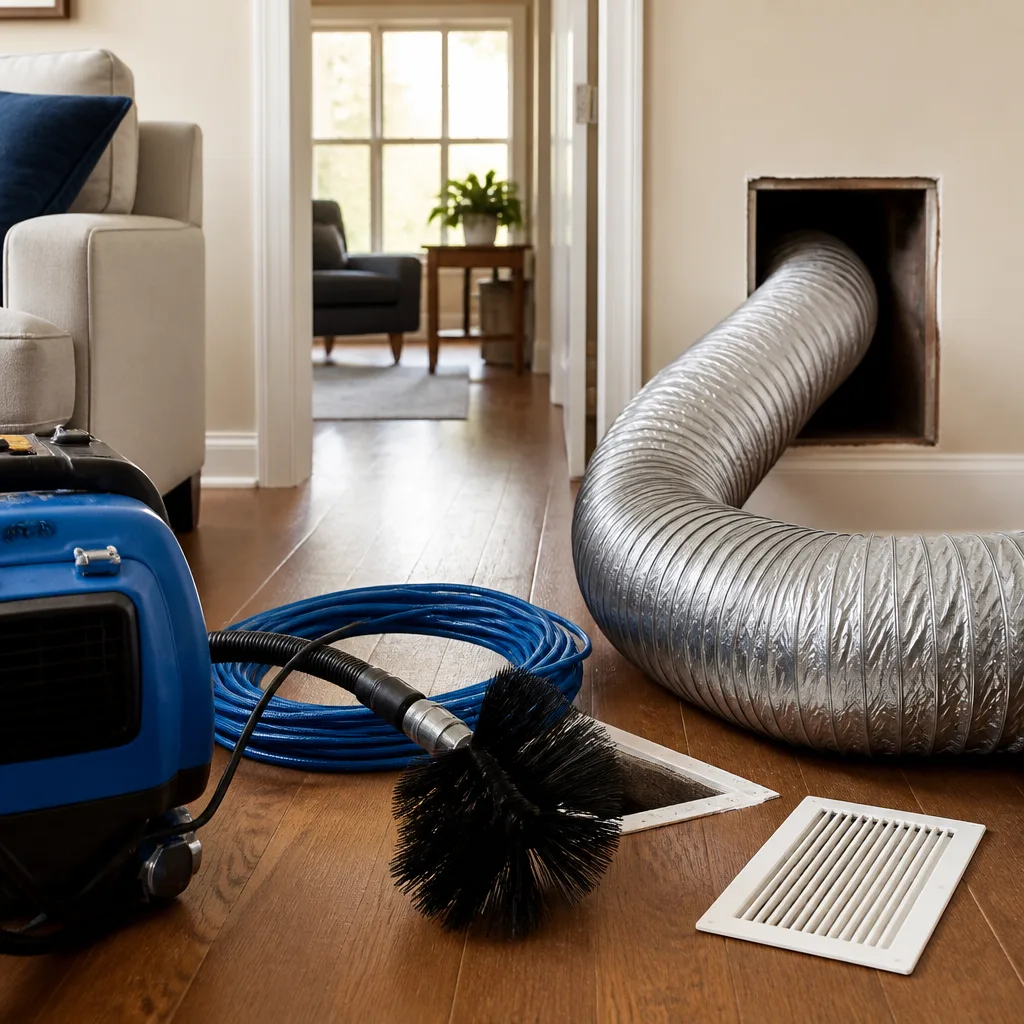 Whole-home duct cleaning
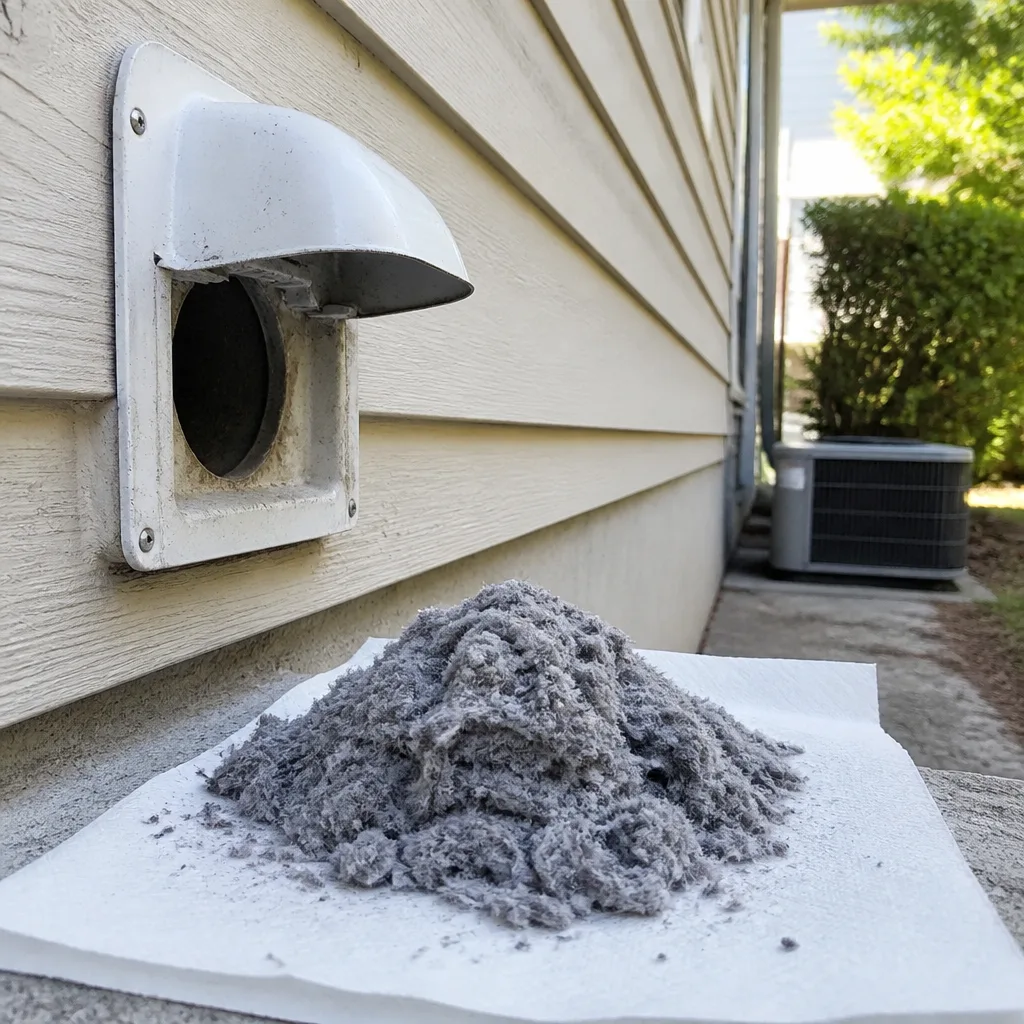 Dryer vent cleaning
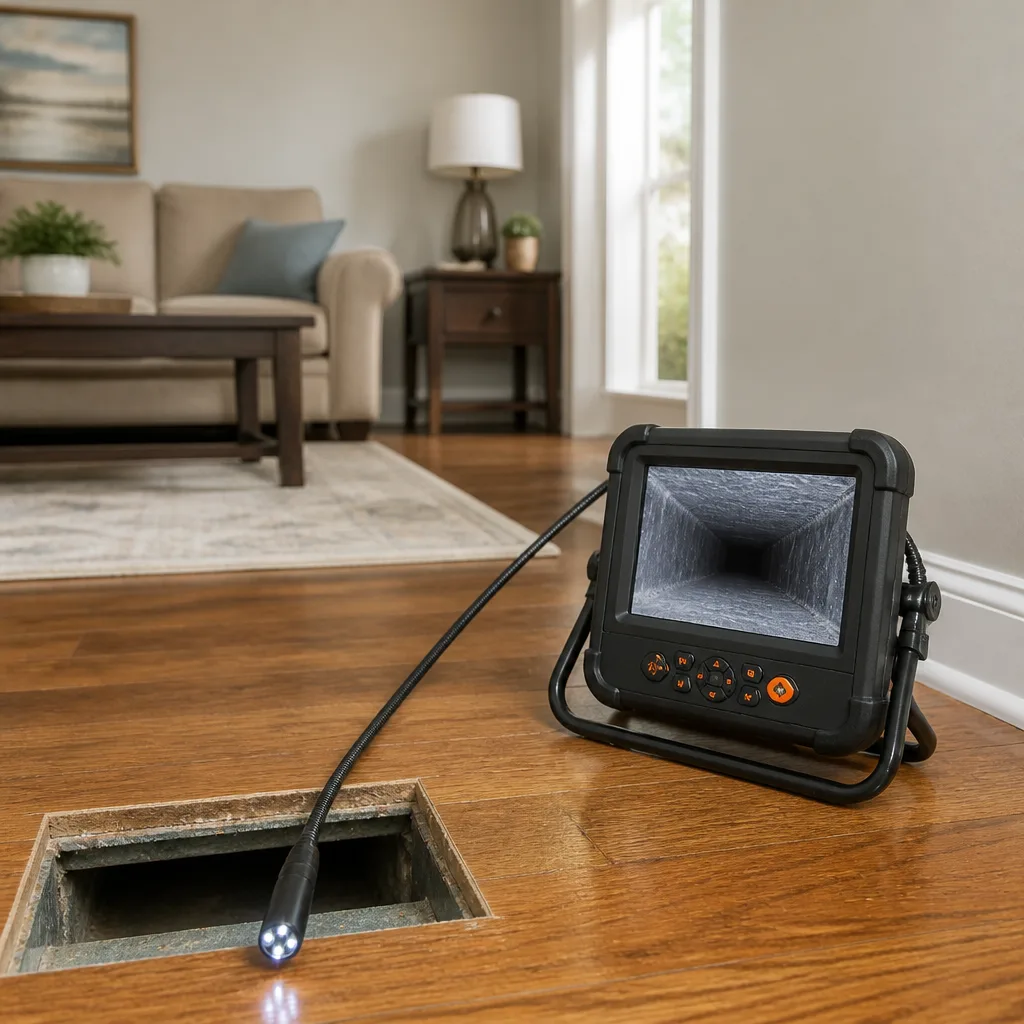 Camera inspection
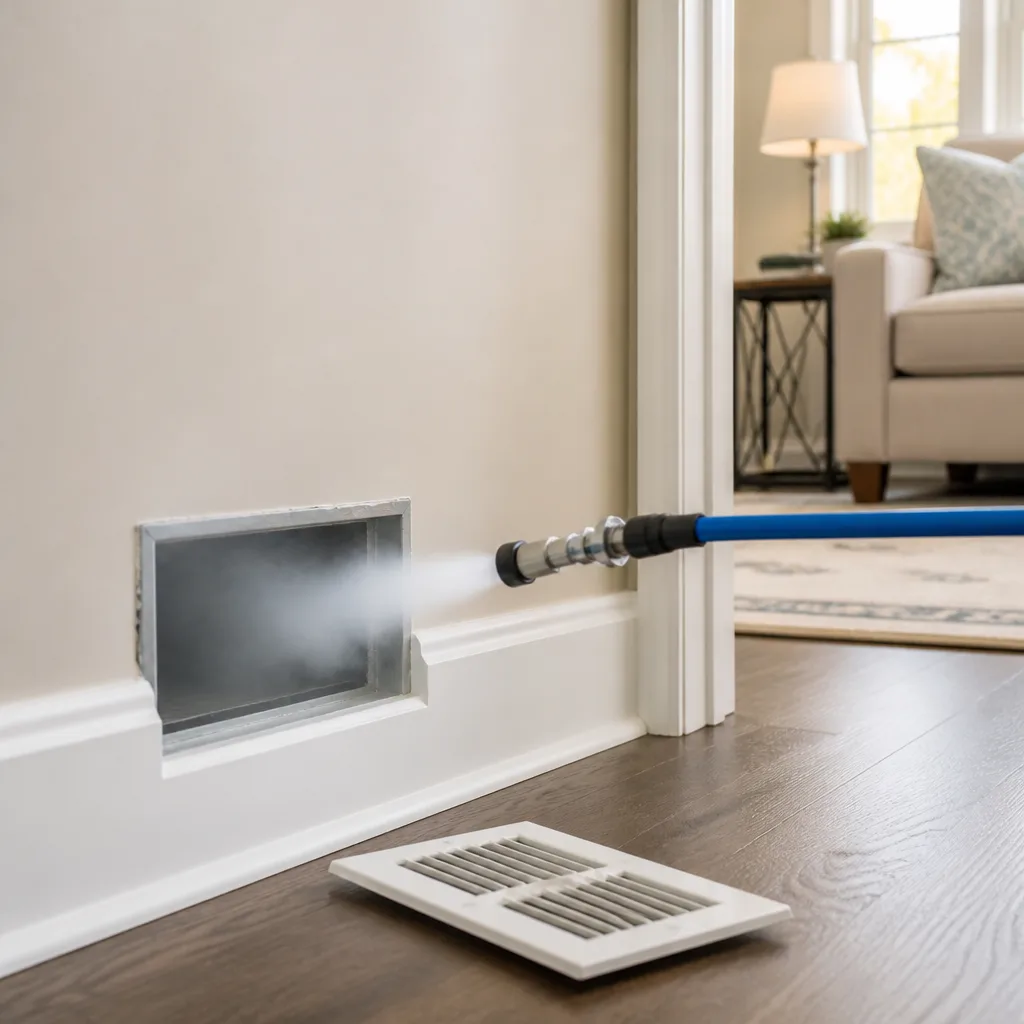 Sanitizing & deodorizing
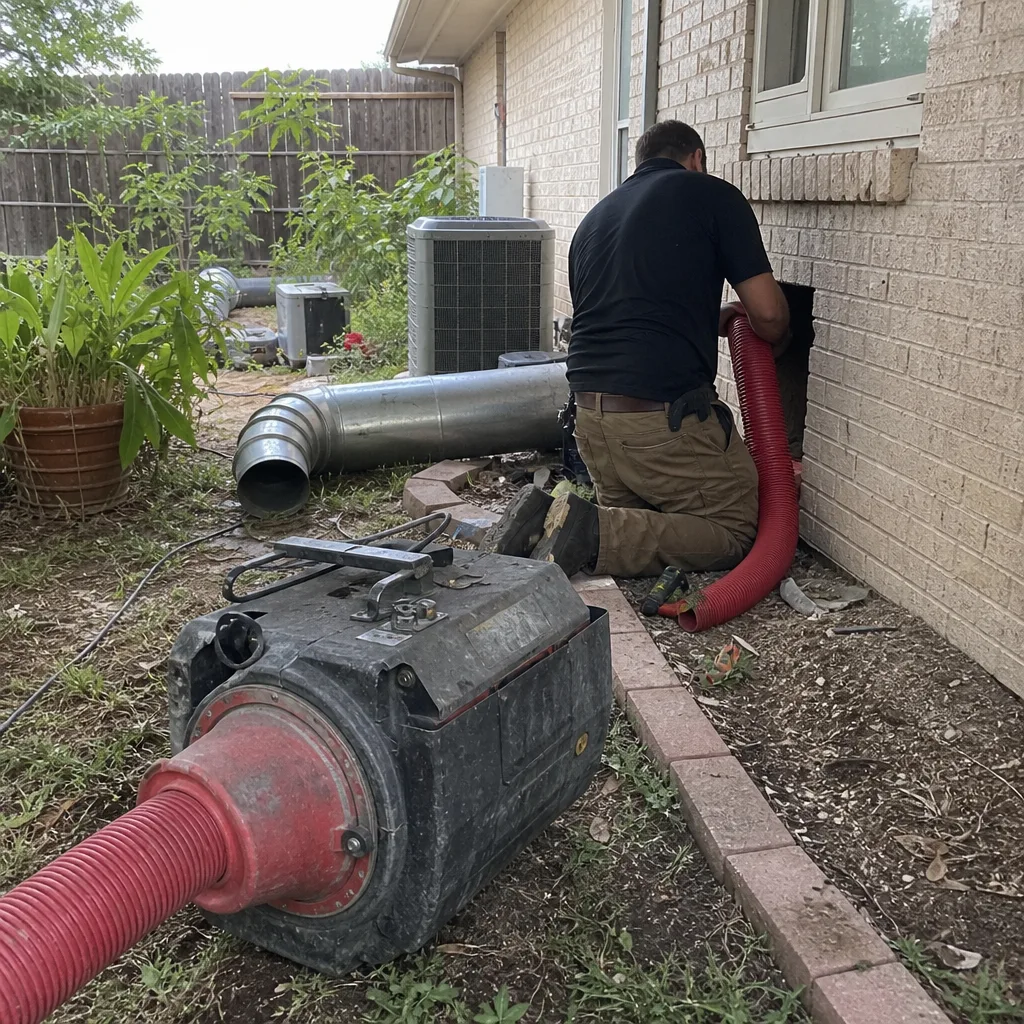
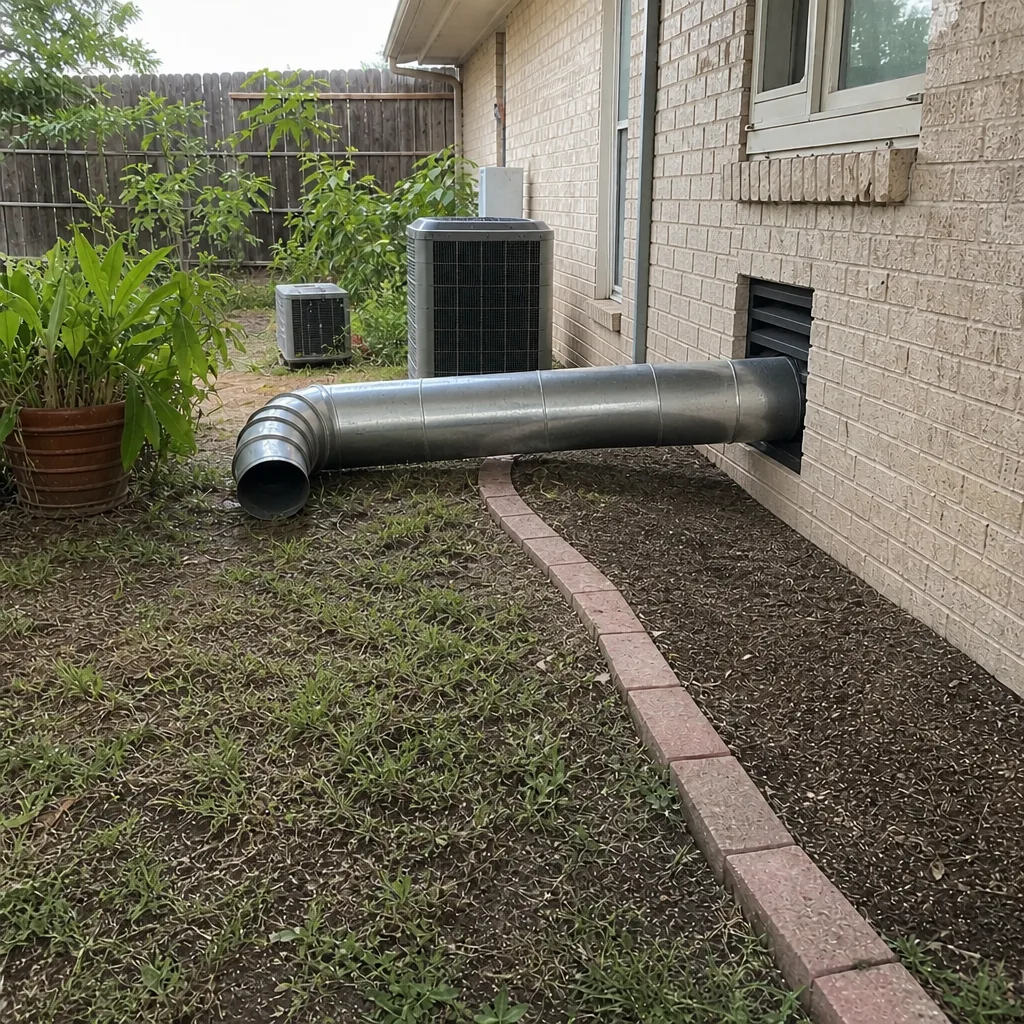
Whole-system duct and dryer vent check with before-and-after photos - you see exactly what came out of your vents
That "$99 whole-house special" is a bait ad - the real number appears once they are in your hallway, or the "clean" is a shop-vac at the register. We photograph the inside of your ducts before and after instead.
Air Duct Cleaning Maintenance Schedule: What to Do and When
The “every 3 to 5 years” advice you’ve seen repeated everywhere is a baseline, not a schedule. It was written as a rough industry starting point long before MERV-rated filtration became standard in most homes, and it ignores the variables that actually drive how fast your ductwork collects dust, dander, and construction debris. In our experience across Wichita Falls, two houses on the same street can need wildly different intervals: one at 18 months, another at eight years. What separates them isn’t luck. It’s four measurable factors, and this guide shows you how to weigh each one to build a maintenance calendar specific to your home. You’ll learn what to inspect yourself, what to leave to a professional, and how to document your system so any future contractor starts from facts instead of guesses.
Quick Answer
Air ducts in Wichita Falls should typically be cleaned every 3 to 5 years as a baseline, but your actual interval shifts based on pets, indoor smoking, recent renovation work, filter grade, and attic insulation type. Homes with shedding pets, recent remodeling, or low-MERV filters often need cleaning every 18 to 24 months, while well-filtered homes with no pets or smokers can stretch to 6 to 8 years. The reliable test is your filter: if it loads up in under 30 days, your ducts are compensating for a system problem and need attention sooner.
Styles & brands we work with
- Whole-home duct cleaning
- Dryer vent cleaning
- Camera inspection
- Sanitizing & deodorizing
Table of Contents
- Why the “Every 3 to 5 Years” Rule Misses the Mark
- Building Your Personal Duct Cleaning Interval
- Post-Renovation Cleaning: The 90-Day Window in Wichita Falls
- The Filter Inspection Rule That Tells You the Truth
- What You Can Do Yourself vs. What Needs Professional Equipment
- Documenting Your Duct System Over Time
- A Seasonal Maintenance Calendar for Wichita Falls Homes
- Property Managers and Commercial Duct Schedules
Why the “Every 3 to 5 Years” Rule Misses the Mark
The widely quoted 3-to-5-year figure traces back to guidance that predates the MERV-rated filtration now common in residential HVAC systems. When that recommendation was first circulated, most homes ran basic fiberglass filters that caught large debris and let fine particles pass straight through to the ductwork. Today’s filters, when properly matched to the system, capture far more at the return grille before debris ever enters the ducts. That single change shifts the math for millions of homes, yet the old number keeps getting repeated as if nothing changed.
There’s a second problem: the baseline treats all homes as identical. A 1,200-square-foot house with two indoor cats and a smoker generates a completely different contamination load than a 2,800-square-foot home with no pets and a high-MERV filter changed on schedule. The first house may need cleaning twice as often. The second may coast for years beyond the recommended window without meaningful buildup.
In Wichita Falls, we see the practical version of this every week. Homes near the older neighborhoods around downtown and along the river corridors often have original or partially updated ductwork with more seams, joints, and opportunities for debris to settle. Newer construction on the city’s south and west sides tends to have tighter, better-sealed systems that stay clean longer, provided the filter is maintained. The baseline doesn’t know any of that.
What the 3-to-5-year figure is actually good for is a starting anchor. From there, you adjust up or down based on your specific home. The next section shows you how.
Building Your Personal Duct Cleaning Interval
Start with a baseline of four years. That’s a reasonable midpoint for a typical Wichita Falls home with no unusual contamination sources. Then adjust using the variables below. Each condition either adds months to your interval or subtracts them.
Variables That Shorten Your Interval
- Pets that shed: One dog or cat that sheds heavily can subtract 12 to 18 months from your baseline. Two or more shedding pets can subtract 24 months or more. Dander and hair cycle through the return air constantly and pack into duct lining and joints.
- Indoor smoking: Smoking indoors adds sticky residue that traps dust and makes it far harder to remove. Subtract 18 to 24 months from your baseline if anyone smokes inside the home.
- Recent renovation or remodeling: Drywall dust, sawdust, and insulation fibers are among the worst contaminants a duct system can see. Any renovation that disturbs walls, ceilings, or the attic should trigger a cleaning within 90 days, regardless of your normal schedule.
- Low-MERV or neglected filters: A filter rated below MERV 8, or one that’s changed irregularly, lets far more particulate into the ducts. Subtract 12 to 18 months from your baseline.
- Blown-in attic insulation with disturbed or missing covers: Loose-fill insulation can migrate into duct chases and return plenums when covers are loose or damaged. This is common in Wichita Falls attics and can dramatically accelerate contamination.
Variables That Lengthen Your Interval
- No pets, no smokers: Add 12 to 24 months to your baseline.
- High-MERV filter maintained on schedule: A properly matched MERV 11 to 13 filter changed every 60 to 90 days can add 12 months or more to your interval by catching fine particulate at the return.
- Recently sealed and repaired ductwork: Ducts that have been professionally sealed at the joints and seams keep contamination out. Add 12 to 18 months.
- Newer construction with tight duct systems: Homes built in the last decade or so often have better-sealed ductwork. Add up to 12 months.
Add up the pluses and minuses and apply them to your four-year baseline. A home with two shedding dogs, a smoker, and a neglected filter might land at 18 months. A clean, pet-free home with good filtration and sealed ducts might land at seven years. That’s the realistic range.
Write your number down. It becomes the anchor for the rest of your maintenance calendar, and it’s the number you should reassess any time your household changes: a new pet, a renovation, a filter upgrade, or a move.
Post-Renovation Cleaning: The 90-Day Window in Wichita Falls
Renovation dust is the single most underestimated contamination source in residential ductwork. Drywall dust is fine, abrasive, and travels deep into the system on the return air. Sawdust from framing and trim work packs into duct joints. Insulation fibers from attic work settle in horizontal runs and never come out on their own. A cleaning done within 90 days of the final walkthrough clears all of it before the HVAC system recirculates it through the living space for years.
Why 90 days specifically? Because that’s roughly the window before fine particulate begins to bond with moisture and oils in the duct lining and becomes far harder to remove with standard agitation. Cleaning sooner removes loose debris efficiently. Cleaning later often requires more aggressive methods and may not restore the duct to its original condition.
Why Wichita Falls Homes Specifically Need This
Blown-in attic insulation is common throughout Wichita Falls, and it creates a specific risk during renovation. When contractors work in the attic – running new wiring, adding recessed lighting, moving HVAC components – loose-fill insulation can get kicked into return plenums or duct chases. Those plenums then pull insulation fibers directly into the system and into the living space. It’s an easy thing to miss and a hard thing to remove once it’s distributed through the ducts.
The same risk applies when attic duct covers or boxes are disturbed. Loose covers let loose-fill insulation sift in over time, slowly loading the system with material that no filter downstream will stop effectively.
The Post-Renovation Checklist
- Do a walkthrough with your contractor before work begins and photograph every return grille and register in the home.
- Seal return grilles with plastic sheeting and tape during demolition and drywall phases to keep the worst debris out of the system.
- Inspect attic duct runs and plenum covers after any attic work to confirm loose-fill insulation hasn’t been disturbed into the system.
- Schedule a professional cleaning within 90 days of project completion – or sooner if you see debris blowing from registers.
- Replace the HVAC filter immediately after cleaning and again 30 days later to catch any residual material.
If you’re planning a remodel, the air duct cleaning service is worth scheduling before the project begins too, so you start from a clean baseline and can clearly see what the renovation added.
The Filter Inspection Rule That Tells You the Truth
Your HVAC filter is the most honest diagnostic tool in the house. It shows exactly how hard the system is working to keep the air clean, and it tells you when your ducts are compensating for something that’s gone wrong elsewhere in the system.
The rule is this: if a fresh filter loads up in under 30 days, your ducts are doing work they shouldn’t have to do. A filter that clogs that fast means one of several things is happening:
- There’s a leak in the return duct system pulling unfiltered air from the attic, crawlspace, or wall cavities.
- The filter is the wrong MERV rating for the system, or it’s undersized for the airflow it’s asked to handle.
- There’s heavy duct contamination recirculating particulate back into the filter.
- The blower is running at higher static pressure than it should because the ducts are restricted.
Any of these conditions means your ducts are working against the system and need professional inspection. A cleaning alone may not solve it if the underlying leak or restriction remains. That’s why we treat Forge Duct Cleaning as a system-level service and not just a surface cleaning. We repair what we find, not just clean around it.
How to Run the Test
- Install a new filter of the correct size and grade on a day you’ll remember – write the date on the filter edge.
- Check the filter every two weeks for the first 60 days and note the date it starts to look visibly gray or loaded.
- If it’s fully loaded in under 30 days, book a professional inspection.
- If it looks lightly loaded at 60 days, you’re on a healthy maintenance cycle – keep changing every 60 to 90 days.
- If it’s still nearly white at 90 days, your filtration is efficient enough to stretch your duct cleaning interval longer than baseline.
Run this test once a year in the same season so you’re comparing like to like. Filter loading changes with outdoor conditions and use patterns, and consistency is what makes the number useful.
What You Can Do Yourself vs. What Needs Professional Equipment
Some duct maintenance tasks are genuinely simple and safe for homeowners to do. Others require equipment and access that simply isn’t available at the hardware store, and attempting them with improvised tools usually makes things worse.
Tasks You Can Safely Do Yourself
- Vacuum the register covers and grilles: Remove each register cover and vacuum both sides with a brush attachment. This clears the visible dust layer and improves airflow.
- Inspect return grilles for debris: Shine a flashlight into the return duct and look for accumulated dust, pet hair, or foreign objects. Report anything alarming to a professional.
- Visual check of attic duct runs: From a safe vantage point, look for disconnected sections, torn insulation wrap, or visible gaps at joints. Don’t touch or reconnect them yourself; photograph what you find.
- Change HVAC filters on schedule: Every 60 to 90 days for standard filters, more often with pets. Write the date on the filter edge each time you change it.
- Keep the intake area clear: Return grilles should not be blocked by furniture, rugs, or storage boxes. Airflow is the whole point.
Tasks That Require Professional Equipment
- Cleaning the interior surfaces of duct runs: Proper cleaning uses negative pressure containment and agitation tools specifically designed for ductwork – exactly the kind of equipment that Rotobrush and Nikro systems provide. Shop vacuums and improvised brushes stir up more contamination than they remove.
- Sealing and repairing duct joints: Duct repair is a specialist job requiring proper mastic, tape, and structural repair techniques. A poorly sealed joint leaks conditioned air and reintroduces the dust problem.
- Cleaning the supply plenum and air handler cabinet interior: This involves the mechanical core of your HVAC system and must be handled without damaging the coil or blower.
- Contamination remediation: If you see visible biological growth, rodent droppings, or heavy insulation fiber intrusion, this goes beyond standard cleaning and requires professional containment and remediation equipment.
- Dryer vent cleaning: A separate service from duct cleaning and one with real fire-safety implications. Lint accumulation in dryer vents is a legitimate hazard, and dryer vent cleaning needs to be done by someone with the right tools to reach the full length of the run.
If you live in Wichita Falls and want to know where your system falls on this split, a professional inspection will tell you in about an hour. The two sides of the list will be clear by the end.
Documenting Your Duct System Over Time
Most homeowners have no reliable way to prove whether their ducts are getting worse, staying the same, or improving. That means every future contractor has to guess, and every conversation about whether cleaning is necessary becomes a matter of opinion. It doesn’t have to be. A small amount of documentation changes everything.
What to Photograph
- Every return grille, both with the cover on and with the cover off, showing the visible duct interior.
- Every supply register from below, showing the fins and the surrounding ceiling or wall.
- Your filter in place with the installation date written on the frame.
- Your filter at 30, 60, and 90 days of use, so you can track loading speed.
- Accessible attic duct runs, plenum covers, and any joints you can see without moving anything.
How to Structure the Records
Create a folder on your phone or computer called “Duct System” and save each set of photos under the date they were taken. One full set each year, plus one before and after any renovation or professional service, is enough. When a future contractor asks about your system, you’ll have dated visual evidence of what’s changed and what hasn’t.
Documentation also protects you when comparing quotes. If a contractor claims your ducts are heavily contaminated, your dated photos give you a way to sanity-check that. If a previous cleaning was done well, your photos after the service will show it, and you’ll know that company did real work instead of a quick pass with a shop vacuum.
After a professional cleaning, ask for before-and-after photos of your own ducts. Any duct specialist doing real work with professional equipment will produce them as a matter of course. It’s the simplest proof of quality there is, and it belongs in your folder next to your own date-stamped records.
A Seasonal Maintenance Calendar for Wichita Falls Homes
Wichita Falls runs hot in summer and mild in winter, which means HVAC systems here work hardest from late spring through early fall. The maintenance calendar below reflects that pattern and pairs well with the interval math from earlier in this guide.
Spring: System Prep
- Run the filter loading test – one fresh filter, checked at 30, 60, and 90 days.
- Vacuum all register covers and return grilles.
- Do a visual check of attic duct runs from a safe vantage point.
- If your interval math says a cleaning is due in the next year, book it before the cooling season starts.
Summer: Peak Load
- Check filters every 30 days during the cooling peak. Heat and heavy runtime shorten filter life.
- Watch for dust streaks at supply registers. Visible streaks mean the system is pushing particulate through the ducts.
- Don’t schedule renovations during the cooling peak if you can help it; if you must, seal returns during demolition.
Fall: Post-Summer Assessment
- Change filters and note the loading speed compared to spring. Faster loading points to contamination buildup.
- If a summer renovation happened, schedule cleaning within 90 days of project completion.
- Photograph your documented set for the year and file it.
Winter: Light Load
- Mild winters here mean the heating system runs less than the cooling system, so contamination accumulates slower.
- Use this window to schedule any duct repair work you’ve been putting off, or the cleaning your interval math points to.
- Do a return-grille inspection to catch pet hair or debris that built up over the summer.
Write these four windows on your calendar with the specific tasks checked off. A maintenance calendar you’ll actually follow is worth more than a perfect schedule you won’t.
Property Managers and Commercial Duct Schedules
Commercial and rental properties follow the same variables but with different stakes. In a rental unit, duct condition affects tenant complaints, turnover, and maintenance liability. In a commercial space, it affects occupant comfort during business hours and the appearance of the property to customers.
For property managers, the practical approach is to shorten intervals slightly below the residential baseline and document more aggressively. A rental unit with a pet-friendly policy, for example, should use the pet-adjusted interval even if the current tenant has no pets, because the next one may. Documented condition reports after each cleaning also protect you from disputes over deposit deductions or maintenance charges.
Multi-unit buildings should stagger cleanings so no single week carries the whole building’s service load. And for any property that has undergone renovation or unit turnover, treat it as a post-renovation job: cleaning within 90 days, regardless of the standard schedule.
For properties in the Wichita Falls market specifically, we recommend a written annual inspection with photographs as part of the maintenance file, even in years when cleaning isn’t due. That record becomes the basis for everything else.
Common Mistakes to Avoid
- Treating the 3-to-5-year baseline as a rule: It’s a starting point that ignores your home’s contamination variables. Homes with pets, smokers, or recent renovation need shorter intervals; well-filtered, pet-free homes often need longer.
- Skipping post-renovation cleaning because “it doesn’t look that bad”: Drywall dust and blown-in insulation fibers settle invisibly in horizontal duct runs. The 90-day window matters more than the visible condition.
- Assuming a clean filter means clean ducts: Filters catch what reaches them. Contamination in duct lining, joints, and horizontal runs sits beyond the filter’s reach – especially in Wichita Falls homes where attic insulation can migrate into return plenums.
- Hiring on price alone: A low advertised price often reflects an improvised cleaning with a shop vacuum and no real agitation. Professional equipment like the Rotobrush and Nikro systems we use is what removes embedded contamination, and it’s what separates real cleaning from a surface pass.
- Not documenting anything: Without dated photos, you can’t prove condition, progress, or the quality of past work. Future contractors and buyers have to guess. Your folder of photos changes that.
- Ignoring the filter loading test: A filter that loads in under 30 days is a signal, not a nuisance. It means your system has a leak, a restriction, or heavy contamination, and cleaning alone may not solve it.
- Cleaning ducts but not repairing leaks: Contamination returns quickly if the system has open joints or disconnected runs. Duct repair is what makes cleaning last, and it’s a service worth insisting on when the inspection finds damage.
See the difference
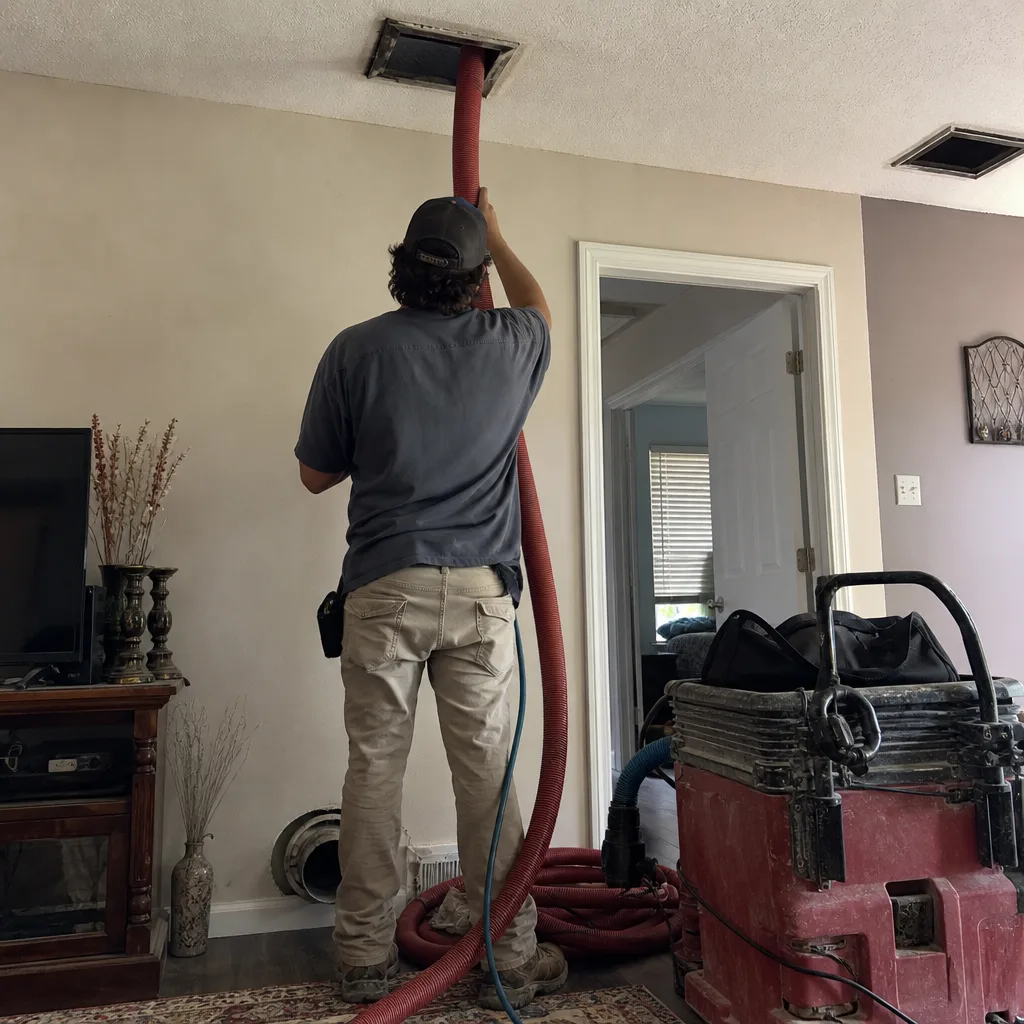 Before
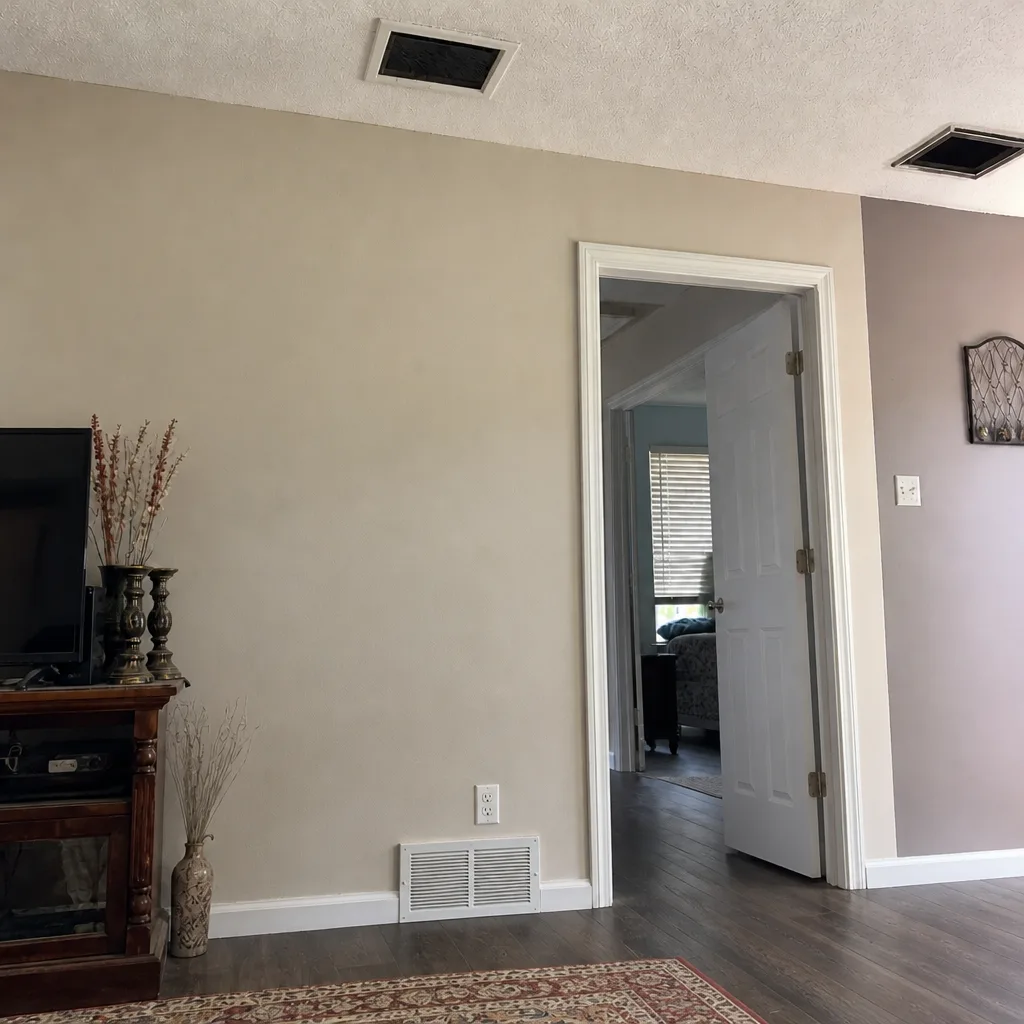 After
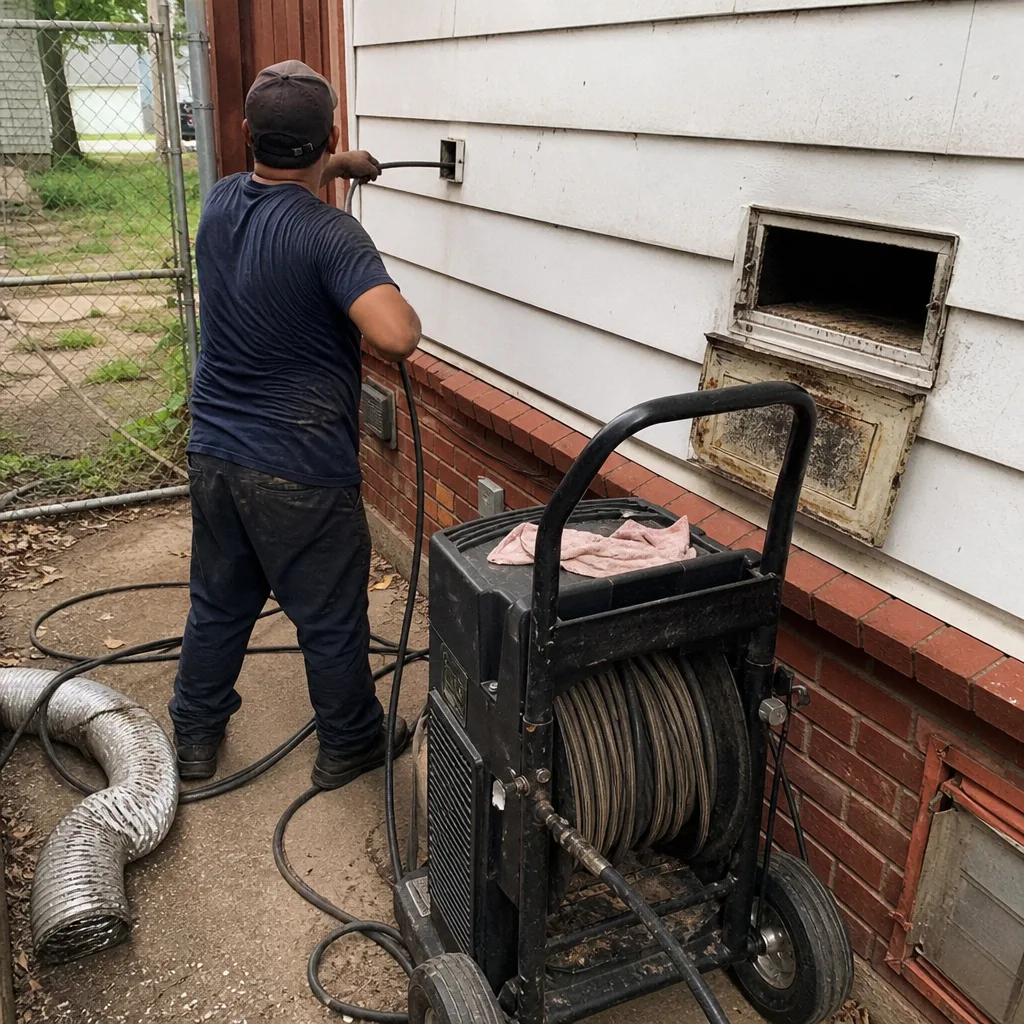 Before
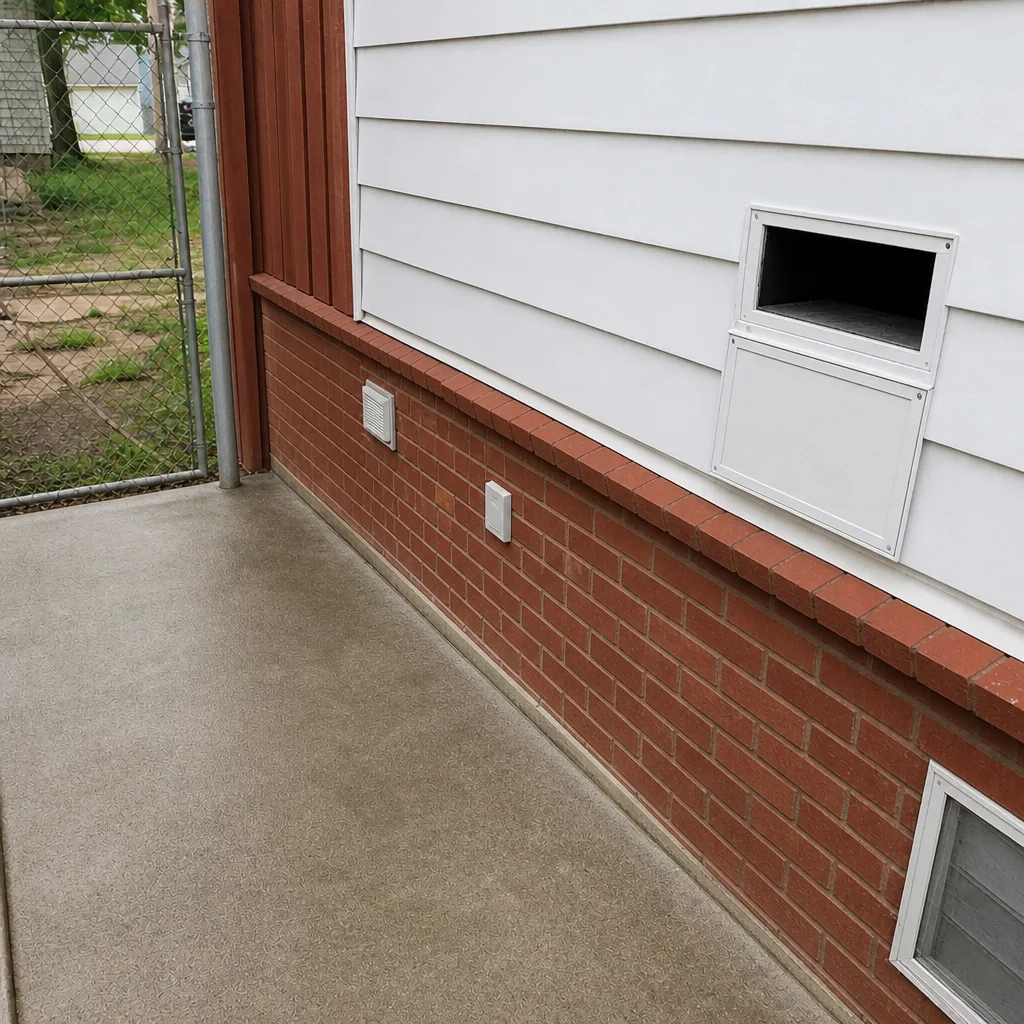 After
 Before
 After
When to Call a Professional
There are a handful of situations where waiting for your scheduled interval is the wrong call. Call a professional now if you see debris blowing from supply registers when the system turns on, if you notice visible dust streaks on the ceiling or walls near registers, or if your filter loads in under 30 days. Call if you’ve had any renovation, addition, or attic work done in the last six months, if you see loose-fill attic insulation near or inside duct runs, or if you or your family notice that the air feels heavier or dustier than it used to. Any sign of biological growth, rodent activity, or a musty smell that persists after filter changes also warrants a professional inspection sooner rather than later.
Forge Duct Cleaning offers free estimates in Wichita Falls – call (844) 230-0769. We answer 24/7. Fast dispatch from 7am to 7pm, Sunday through Friday. We arrive with industrial-grade equipment, and we photograph what we find before, during, and after the work. If duct repair is needed, we can do it as part of the same visit.
Frequently Asked Questions
The baseline is every 3 to 5 years, but the realistic interval depends on your home. Wichita Falls homes with shedding pets, indoor smoking, recent renovation, neglected filters, or disturbed blown-in attic insulation should be cleaned every 18 to 30 months. Homes with no pets, no smokers, well-maintained MERV-rated filters, and sealed ductwork can stretch to 6 to 8 years. Use the filter loading test to check your assumption before you commit to a schedule. Call (844) 230-0769 for a free estimate if you’d like to know where your system actually stands.
Install a fresh filter with the date written on the edge, then check it at 30, 60, and 90 days and note when it starts loading visibly. A filter that loads in under 30 days means your ducts are compensating for a leak, a restriction, or heavy contamination that cleaning alone may not fix. A filter still light at 90 days suggests efficient filtration and a longer cleaning interval. Running the test annually in the same season gives you a real number to plan around, and a professional inspection is the next step if loading is fast.
Because blown-in attic insulation is common here, and renovation work in the attic easily kicks loose-fill fibers into return plenums and duct chases. Drywall dust and sawdust also travel deep into the system on return air. Cleaning within 90 days of the renovation’s completion removes that material before it bonds with moisture and oils and becomes far harder to remove. Waiting longer often means more aggressive methods for a lesser result. If you’ve just finished a project, call (844) 230-0769 to schedule an inspection within the window.
Vacuuming register covers and grilles yourself is safe and useful. Cleaning the interior of the duct runs is a different job and needs different tools. Professional duct cleaning uses negative pressure containment and agitation equipment that a shop vacuum can’t replicate. Improvised attempts often stir up particulate that then redistributes through the system. Register vacuuming, filter changes, and a visual check of grilles are all reasonable homeowner tasks; anything deeper belongs to a trained technician with the right equipment.
Ask for before-and-after photos of your own ducts, not stock images. That’s the most reliable proof available, and any specialist using proper equipment will produce them as a matter of course. Documentation matters on your side too: if you’ve kept a folder of dated photos, you can compare the after-cleaning state to your own earlier records. That’s why we treat photographic documentation as part of every job at Forge Duct Cleaning, and why we frame it as proof, not sales material. Call (844) 230-0769 to book a cleaning with before-and-after documentation included.
They use the same variables, but a slightly shorter interval and more aggressive documentation. A pet-friendly rental should use the pet-adjusted interval even if the current tenant has no pets. Commercial spaces with heavy foot traffic and longer operating hours should plan on closer to the short end of the range. Stagger cleanings across multi-unit buildings so turnover and post-renovation jobs don’t collide. A written annual inspection with photos, even in years without a cleaning, forms the basis for every future decision, and a free estimate is the easiest way to start the calendar.
The Bottom Line
The 3-to-5-year recommendation is a starting point, not a schedule. Your actual interval depends on four controllable variables: pets and smoking, renovation work, filter grade and consistency, and attic insulation integrity. Build your baseline at four years, adjust up or down based on your specific conditions, and run the filter loading test once a year to confirm your number. Document your system with dated photos so any future contractor starts from facts. Handle the simple tasks yourself, and call a professional for anything involving duct interiors, repair, or contamination. In Wichita Falls, that’s the difference between a generic cleaning plan and one your system actually needs.
Forge Duct Cleaning is a focused air-system specialist built around professional-grade equipment from Rotobrush, Nikro, Abatement Technologies, Honeywell, and Aprilaire. We clean, we repair, and we document. Your ducts, cleaned right, sealed tight. Call (844) 230-0769 for a free estimate. We answer 24/7. Fast dispatch from 7am to 7pm, Sunday through Friday.
Written by the team at Forge Duct Cleaning.