
Last updated November 15, 2026
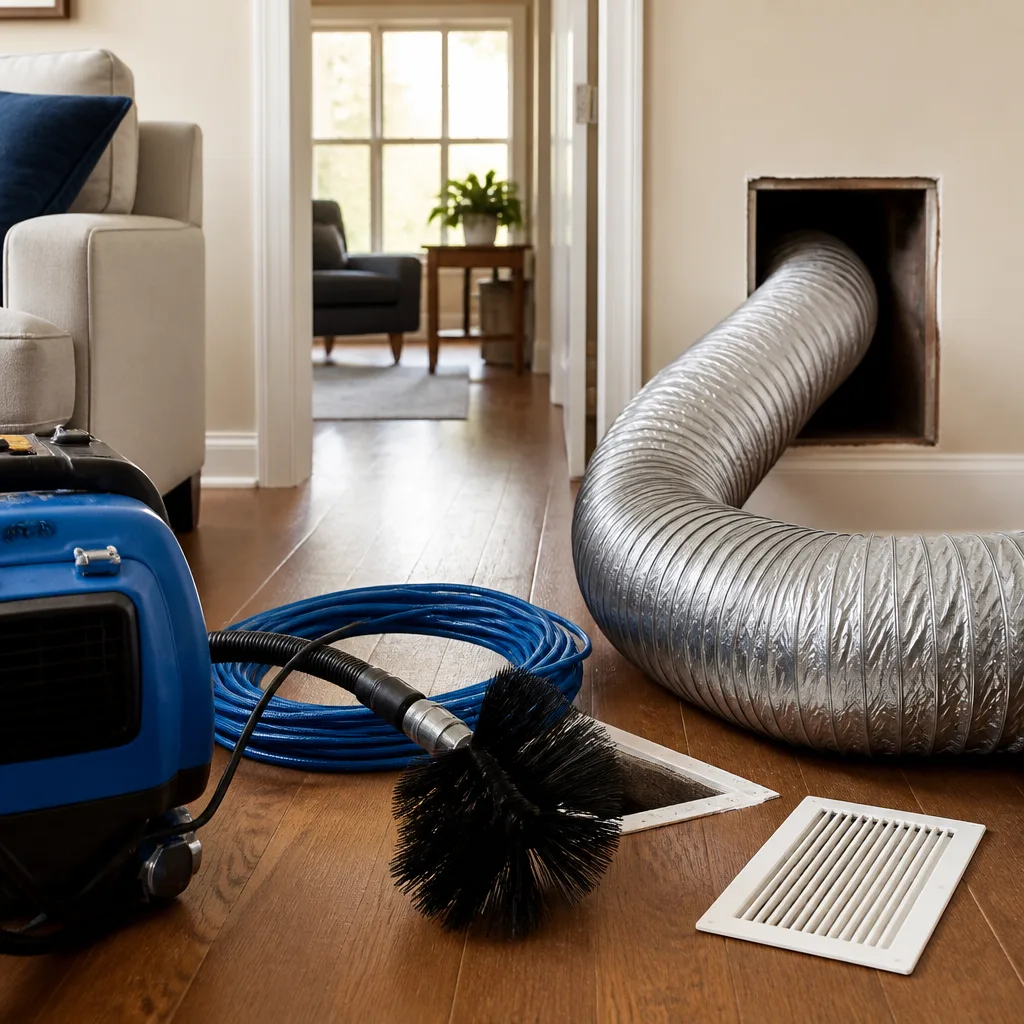 Whole-home duct cleaning
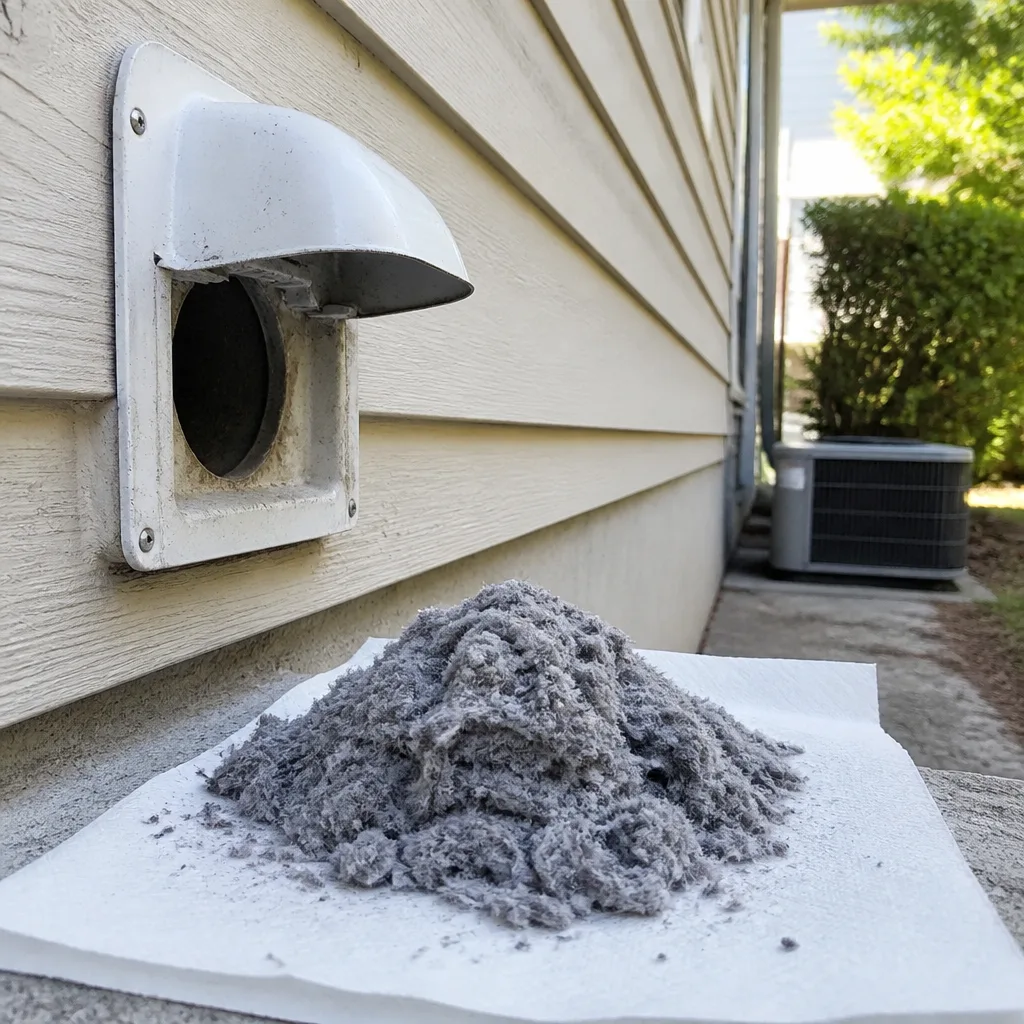 Dryer vent cleaning
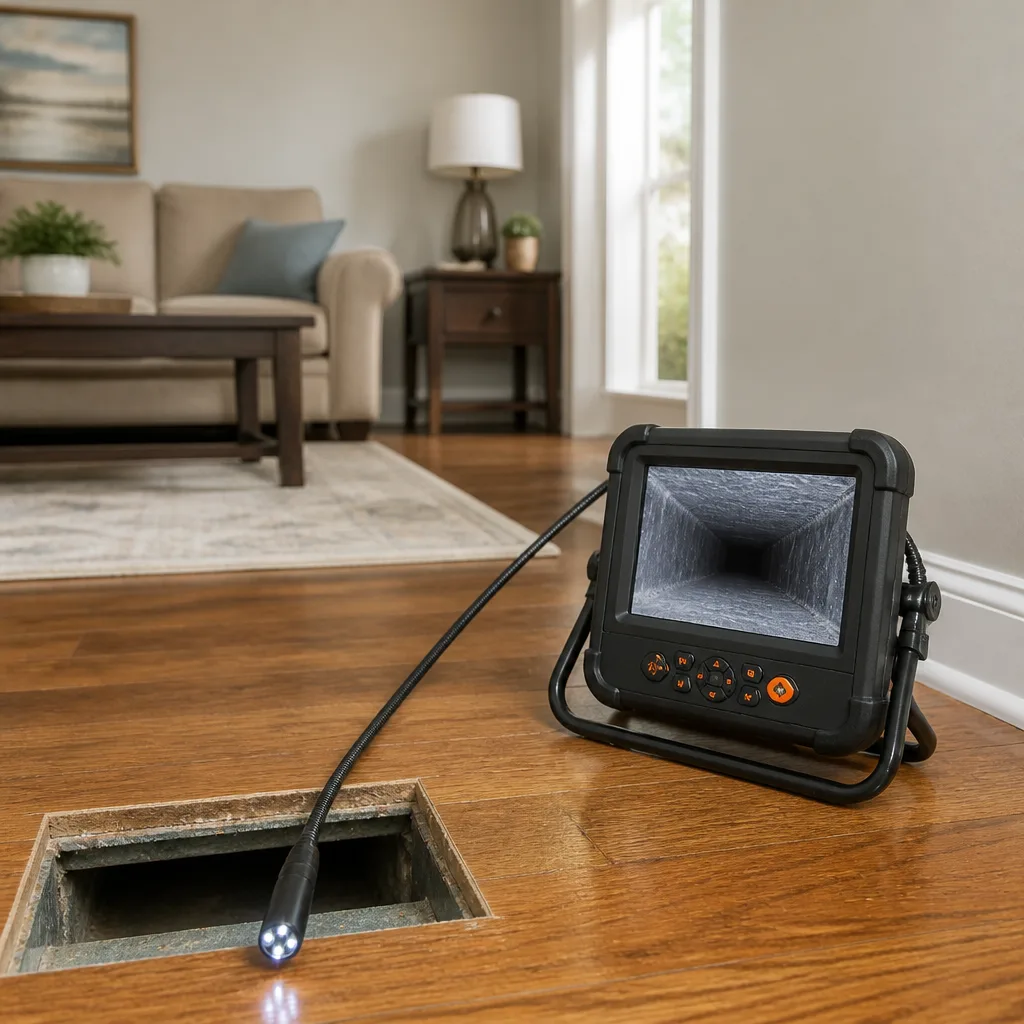 Camera inspection
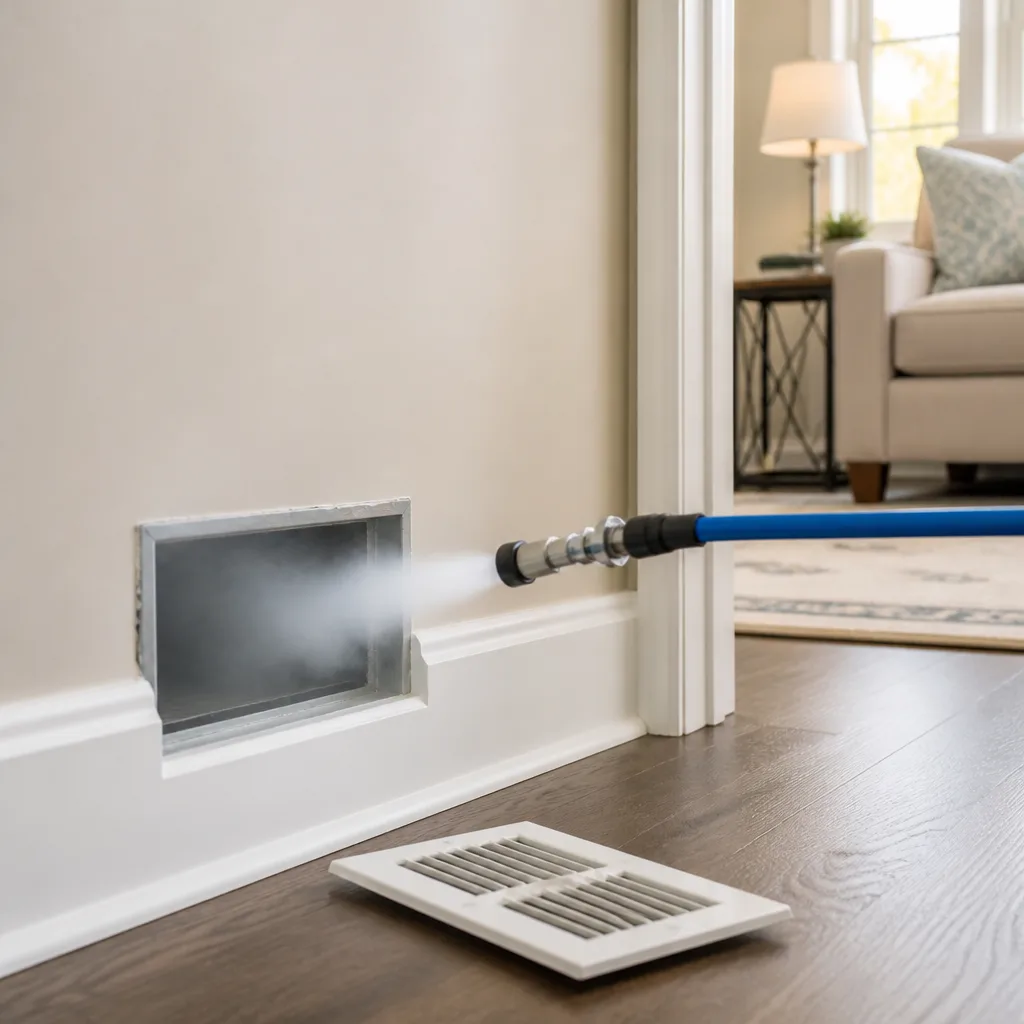 Sanitizing & deodorizing
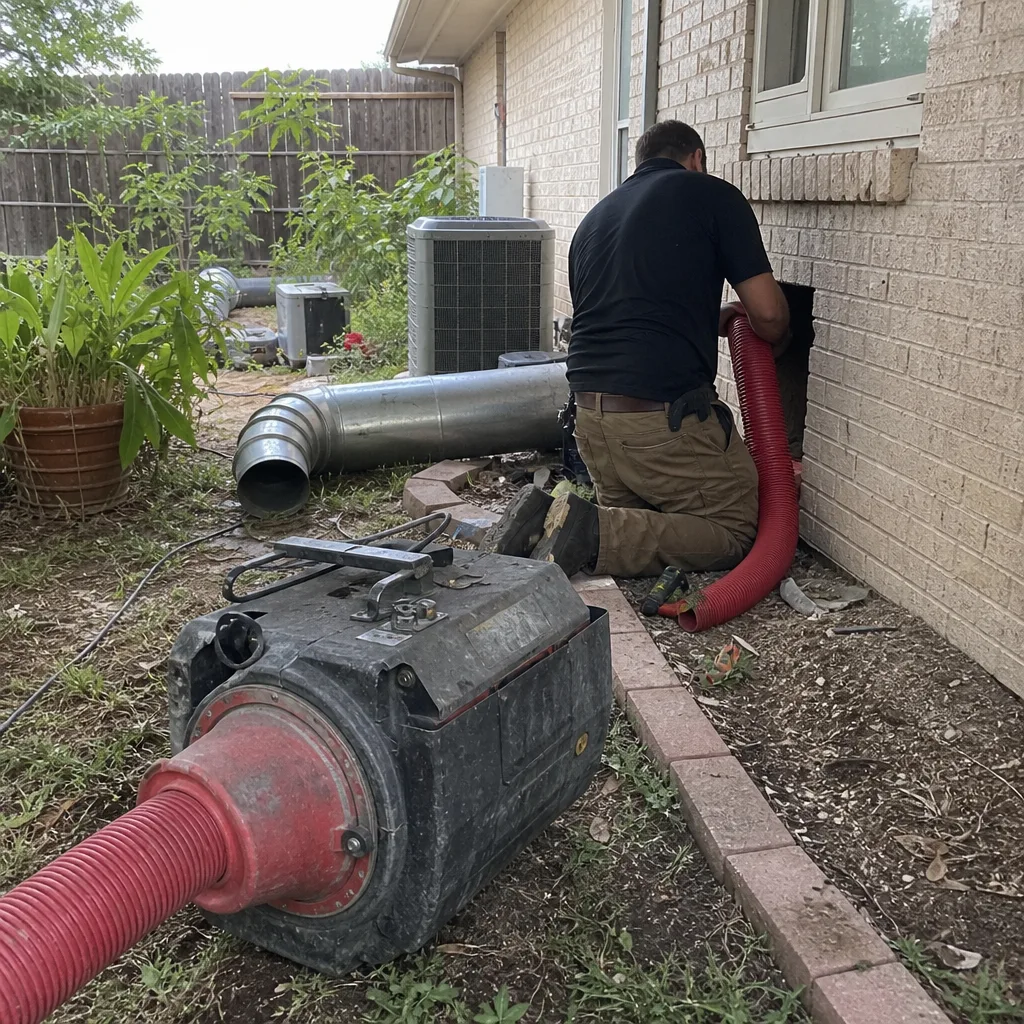
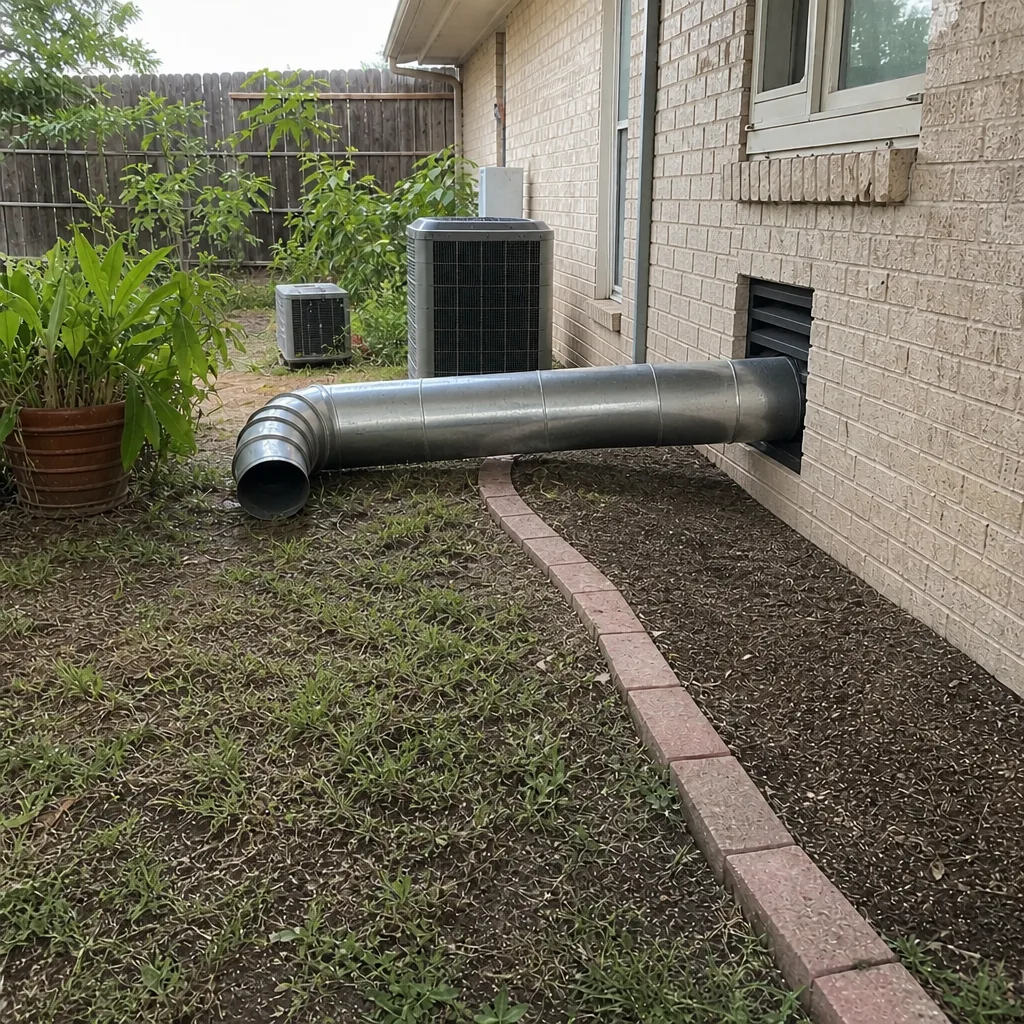
Whole-system duct and dryer vent check with before-and-after photos - you see exactly what came out of your vents
That "$99 whole-house special" is a bait ad - the real number appears once they are in your hallway, or the "clean" is a shop-vac at the register. We photograph the inside of your ducts before and after instead.
Choosing the Right Air Duct Cleaning Brand: A Buyer’s Guide for Wichita Falls
A national franchise with hundreds of locations and a local independent with one truck can produce wildly different results at your house, and the franchise logo is not a reliable predictor of which one does better work. The name on the van tells you almost nothing about the equipment inside it or the training of the person driving it. Most homeowners in Wichita Falls shop for duct cleaning the way they shop for a restaurant chain: they trust the sign because they’ve seen it before. That instinct costs people real money on a service they can’t easily inspect afterward. This guide reframes the whole decision around the variables that actually predict quality: the credential behind the technician, the airflow capacity of the vacuum, what the reviews reveal, and whether the company can repair what it finds. Read it before you book anyone.
Quick Answer
The right air duct cleaning brand in Wichita Falls is the one whose technician and equipment you can verify, not the one with the biggest logo. Prioritize NADCA membership as a minimum bar, ask what vacuum system the company runs and its rated airflow, confirm the crew can perform duct repair on-site, and read local reviews for workmanship language rather than star counts. A focused duct specialist using professional-grade equipment will outperform a generalist almost every time.
Styles & brands we work with
- Whole-home duct cleaning
- Dryer vent cleaning
- Camera inspection
- Sanitizing & deodorizing
Table of Contents
- Why Brand Name Is the Weakest Signal in Duct Cleaning
- NADCA Membership: The Credential That Beats Any Logo
- The Equipment Question That Exposes Professional Tier
- How to Read Reviews for Real Workmanship Signals
- Specialist vs. Generalist: What You Actually Gain
- Why the Technician Matters More Than the Name
- What to Ask on the Pre-Service Call
- What’s Different About Duct Work in Wichita Falls
Why Brand Name Is the Weakest Signal in Duct Cleaning
A franchise brand in the duct cleaning world is a business model, not a quality standard. When you buy a franchise, you buy a name, a marketing package, and a set of operating procedures. You don’t automatically buy a particular vacuum, a particular technician, or a particular level of training. The person who shows up at your door in a Wichita Falls driveway is a local operator who paid for the sign. Some of them are excellent. Some of them are running consumer-grade equipment out of a trailer. The logo can’t tell you which.
This is the central misunderstanding we run into. Homeowners assume the brand carries the standards. In most trades, franchise systems enforce real consistency. In duct cleaning, enforcement is thin, because there’s no universal licensing requirement for the work and no single governing body checking the equipment. That’s why two franchise vans from the same system can deliver completely different jobs.
Here’s what the brand name genuinely does not predict:
- The vacuum system. A franchise doesn’t dictate one brand of equipment. One operator runs a purpose-built Rotobrush system; another improvises with a shop vac and a length of hose.
- Airflow capacity. The rated cubic feet per minute of the vacuum is what actually pulls debris out of the system. That number varies wildly between operators using the same sign.
- Whether they can repair. Most duct cleaning companies clean and leave. If the crew finds a crushed flex run or a disconnected joint, can they fix it, or do they hand you a phone number for someone else?
- The technician’s training. Turnover is high in this trade. The technician’s experience level is a local fact, invisible to the brand.
So the useful question shifts. Instead of “which brand should I hire,” ask “how do I verify the specific company in front of me, regardless of the name on the door.” The rest of this guide answers that. When you’re ready to compare what a focused specialist offers for air duct cleaning in your home, the verification checklist below applies.
NADCA Membership: The Credential That Beats Any Logo
The National Air Duct Cleaners Association (NADCA) is the trade body that sets the standards for this industry. A company that belongs to NADCA has agreed to follow the association’s assessment, cleaning, and restoration standards, which cover everything from how to inspect a system to how to verify the work was done. Membership is a real bar. It’s not a guarantee of a perfect job, but it removes the worst operators from contention.
Why is it more meaningful than a brand name? Because it’s the one credential that’s specific to this trade and independently verifiable. A franchise sign tells you someone paid a franchise fee. NADCA membership tells you the company signed onto a technical standard written by people who actually understand ductwork. That’s a difference in kind, not degree.
Use it as a minimum bar, not the finish line. Here’s the order of evaluation we recommend:
- Check NADCA membership first. If a company isn’t a member and can’t explain why, treat that as a caution flag and keep comparing.
- Ask about their adherence to the NADCA standard. Membership implies it, but a good company can describe the source-removal principle in plain language: contaminants get pulled to the vacuum, not blown around.
- Confirm the technician’s experience. Membership is the company’s commitment. The experience of the person doing the work is separate. Ask how many years the technician coming to your home has been doing this.
- Evaluate equipment and repair capability. Only after the first three checks pass.
For property managers and commercial accounts in Wichita Falls, NADCA membership carries extra weight because it signals a floor of professionalism that scales to larger systems, including commercial ductwork. For a homeowner, it’s the fastest way to filter a long list of names down to a short one. In our experience, the companies worth the money are almost always on that list.
The Equipment Question That Exposes Professional Tier
This is the single most revealing question you can ask any duct cleaning company: what vacuum system do you use, and what is its rated airflow capacity? A pro will answer instantly with a brand name and a number. A company that hedges here is telling you something.
Duct cleaning works on the principle of negative pressure. A powerful vacuum creates suction in the duct system while the technician agitates the dust inside each run, pulling the loosened debris back to the machine instead of into your living space. The suction has to be strong enough to overcome the length and turns of the ductwork. A small or improvised vacuum can’t create enough negative pressure, so the debris gets stirred up and settles elsewhere. The job looks finished and isn’t.
Purpose-built professional equipment is designed for exactly this. The systems we run come from Rotobrush and Nikro, both industry-standard names in duct cleaning, plus Abatement Technologies equipment for air-quality and contamination work. The point isn’t the logo on the machine. It’s the tier of equipment. Professional-grade systems have the airflow and the agitation tools to do source removal properly, run after run, in the kind of older duct layouts common in Wichita Falls homes.
Ask these questions and listen for specific answers:
- What brand is the vacuum? Look for names that show up in professional settings, not consumer vacs.
- What’s the rated CFM? A serious operator knows the figure without looking it up.
- Do you use agitation tools? Suction alone leaves dust attached to duct walls. The technician needs tools to loosen it first.
- What about the compressor or air tools? A professional setup includes compressed-air tools to blow debris toward the vacuum, not around the room.
- How do you protect the home during the job? Floor protection and containment are part of the equipment, not an afterthought.
These details separate a company operating at a professional tier from one improvising with consumer tools. It’s a fixable test. Any company worth hiring will happily answer all five.
How to Read Reviews for Real Workmanship Signals
Star counts are nearly useless for judging duct cleaning. Five stars tells you the technician was polite and showed up on time, which is fine, but it doesn’t tell you whether the ducts got clean. The signal lives in the language of the review. Specifically, it lives in reviews that mention what the reviewer saw or learned, not just how they felt.
Read a batch of local reviews for Wichita Falls duct cleaning companies and separate them into two piles: reviews that contain workmanship detail and reviews that only contain satisfaction language. The first pile is where you make decisions.
What to look for in a genuine quality review:
- Mentions of before-and-after evidence. A reviewer who describes seeing photos or video of their own ducts has actually verified the work. That’s a strong signal.
- Specific equipment called out. A reviewer who names the vacuum system or the agitation tools heard the technician explain the equipment. That means the technician knows it.
- Descriptions of findings. “They found a disconnected run in the attic and repaired it” tells you the company can diagnose and fix. “They were great” doesn’t.
- Details of the scope. A reviewer who describes per-run cleaning, individual register work, or how the contractor sealed the system understands what was done.
- Responses to complaints. Read the one- and two-star reviews too. How the company responds to a genuine complaint reveals far more than the average of the good ones.
Watch for warning phrases: “quick,” “cheap,” “surprisingly affordable,” combined with no detail. These often describe a low-price job with limited scope. That’s a real market force, not a crime, but it tells you where the company sits. In our experience, the reviews that earn a company repeat business are the ones that describe the diagnosis, not just the price.
Specialist vs. Generalist: What You Actually Gain
Most HVAC companies add duct cleaning as an extra line item. It’s a way to fill schedule gaps, not a core competency. That’s not a criticism of HVAC contractors. It’s a reality of how they’re organized. Their technicians are trained to install and service equipment, and duct cleaning is a separate, tool-intensive discipline. A company that does it every day has invested in the tools and knowledge a generalist can’t justify.
A focused duct specialist brings three things a generalist usually can’t:
- Dedicated inspection tooling. Before cleaning, a professional system should be inspected. That means a camera rig that can travel the length of a run to look for disconnected joints, crushed sections, and debris accumulation. A generalist often inspects visually through the register, which misses most of the system.
- Repair capability on-site. Duct work fails in known ways: disconnected joints, crushed flexible runs, torn lining, poorly sealed connections. A specialist can clean, find the problem, and seal it in the same visit. A cleaning-only company finds the problem and leaves it, so the ducts you just paid to clean are leaking again immediately.
- Duct-specific diagnostic knowledge. An HVAC tech knows airflow from the equipment side. A duct specialist knows the duct side: how the system was built, where it’s likely to fail, and how cleaning and repair interact with airflow and air quality.
We’ve built Forge Duct Cleaning around that last point. Cleaning without repair capability means you’re paying to remove debris from a system that leaks it back in. Duct repair is a core service, not a referral. That’s why we carry the tools to fix what we find rather than handing you a second number. If you’ve been quoted on dryer vent cleaning as well, a specialist handles both because they share the same equipment and the same ductwork knowledge.
The practical test: ask any company, “If you find a crushed run during the cleaning, what happens?” A specialist describes how they fix it. A generalist describes a referral.
Why the Technician Matters More Than the Name
The brand name stays the same. The technician changes. That’s the core of the argument. A company’s ownership can be excellent and its technicians inexperienced at the same time. The quality of your job depends on the person who pulls into the driveway, and the only way to assess that is to ask about experience before they arrive.
This matters in duct cleaning more than in many trades because the work is detailed and hard to audit. A cleaning job done with the wrong agitation or insufficient suction looks like a job done. The ductwork is enclosed. The technician’s knowledge is what determines whether the job is done right.
Our technicians have up to 15 years of experience. That range describes a team, not one person, and it’s deliberately not stated as an average. What you want on your job is a technician who has seen enough systems to recognize the difference between a run that’s clean and a run that’s been agitated but not fully evacuated.
Ask these questions to assess technical depth before anyone shows up:
- “How long has the technician coming to my home been cleaning ducts?” A vague answer about the team is a red flag. The technician’s specific experience is the relevant number.
- “What’s the typical job look like for a home like mine?” A knowledgeable technician describes the inspection, the per-run cleaning, the vacuum connection, and a final walkthrough. A weaker answer skips the inspection.
- “How will I know the job is done?” The right answer involves before-and-after photos or video of your own system, not a promise.
- “What do you do if you find a problem?” Look for repair on-site, not a referral.
A company that can answer all four is a company whose technician knows the work. That’s the credential the van can’t provide.
What to Ask on the Pre-Service Call
You can filter out most weak candidates in a five-minute phone call, before you ever book. This is the highest-leverage step in the whole decision, and most homeowners skip it. Here’s a sequence that covers the variables that matter.
- Are you NADCA members? Listen for a direct yes and a willingness to explain what the standards cover. Hesitation is your cue to move on.
- What equipment will the technician use? You want a professional brand name and a rated airflow figure. Anything vague here is a strong caution.
- Do you inspect the system first? The right answer is yes, with camera tooling, as a standard step.
- Can you repair what you find? Ask specifically about crushed runs, disconnected joints, and flex duct failures. A specialist answers immediately. A cleaning-only company admits the gap.
- How many years of experience does the technician have? Ask about the specific person, not the team.
- How will you show me the results? Before-and-after photos of your own ducts is the right answer.
- Is the estimate free and written? The price should be set per job by a written estimate, agreed before work starts. Confirm that, and confirm there’s no per-vent charge that could balloon.
This call takes five minutes and tells you more than any website or logo. If a company is evasive on the equipment or the inspection, you’ve found the reason. When you call Forge Duct Cleaning at (844) 230-0769, we answer 24/7, and we’ll give you straight answers on all seven of these before you commit to anything. If you’re also weighing a quote for your broader home systems, the same drill applies to the Forge Duct Cleaning screening approach for any trade.
What’s Different About Duct Work in Wichita Falls
Duct cleaning is a local trade in a real sense. The local climate, the age of the housing stock, and the way homes were built here all shape what a technician finds inside a system. That’s why your pre-call questions should be answered by someone who knows the ground, not just a national script.
Wichita Falls is hot and dry through the summer, and the HVAC system runs hard for long stretches of the year. That pattern is relevant to duct work in a specific way: dust and debris accumulate over the cooling season, and a system that runs almost continuously pulls a steady volume of air through the ductwork, moving any loose debris into the return side and settling it in the branches. When the season turns, the system starts pushing that accumulation back into the living space. Wichita Falls homes often benefit from an inspection ahead of the first heavy cooling stretch, so the ducts are clean before the system starts moving air at full volume.
Local dust is another factor. This region’s dry soil and wind push particulate into homes through every opening, and the duct system is the biggest one. A return that pulls from a living space is a direct path for that dust. A technician working regularly in Wichita Falls knows how heavy the accumulation runs in a home of a given age, and can tell you whether your system is over- or under-represented against the local norm.
The housing stock matters too. Older homes in Wichita Falls were built with ductwork systems that can include sections of flexible duct in attics and crawlspaces, where they’re exposed to high heat and can crack, tear, or disconnect. A cleaning job that doesn’t include inspection and repair capability can miss exactly the failure that matters most. That’s the local reality a specialist is equipped for. If you want to see how a Wichita Falls company approaches the work, the Wichita Falls service page shows the local focus.
Common Mistakes to Avoid
- Choosing the logo you recognize. A franchise name is a marketing asset, not a quality standard. Ask the equipment and experience questions and let the answers decide, because two operators under the same sign can be completely different.
- Skipping the NADCA check. This is the fastest filter available. A company that isn’t a member and can’t explain why should be compared against one that is, and the difference should be treated as a signal, not a formality.
- Booking on price alone. A low price often reflects limited scope: partial cleaning, no inspection, no repair capability. A Wichita Falls homeowner who books the cheapest quote can end up paying twice, once for a cleaning that didn’t fix the problem and again for a repair.
- Not asking about repair capability. If the company only cleans, it will clean around a crushed run and leave you with the same problem in a cleaner-looking duct. Ask about repair before you book, not after the technician finds the crack.
- Skipping the equipment question. “We use professional equipment” is a non-answer. Push for the brand and the airflow rating, because a company that has the numbers will give them.
- Trusting star averages over specific review language. A wall of five-star reviews with no detail tells you nothing about the work. Look for reviews that mention before-and-after evidence, inspection findings, or repair on-site.
- Never verifying the results. A cleaning job should include photos or video of your own ducts before and after. Without that evidence, you have no way to confirm the work matched the price you agreed to, and no way to hold anyone accountable later.
See the difference
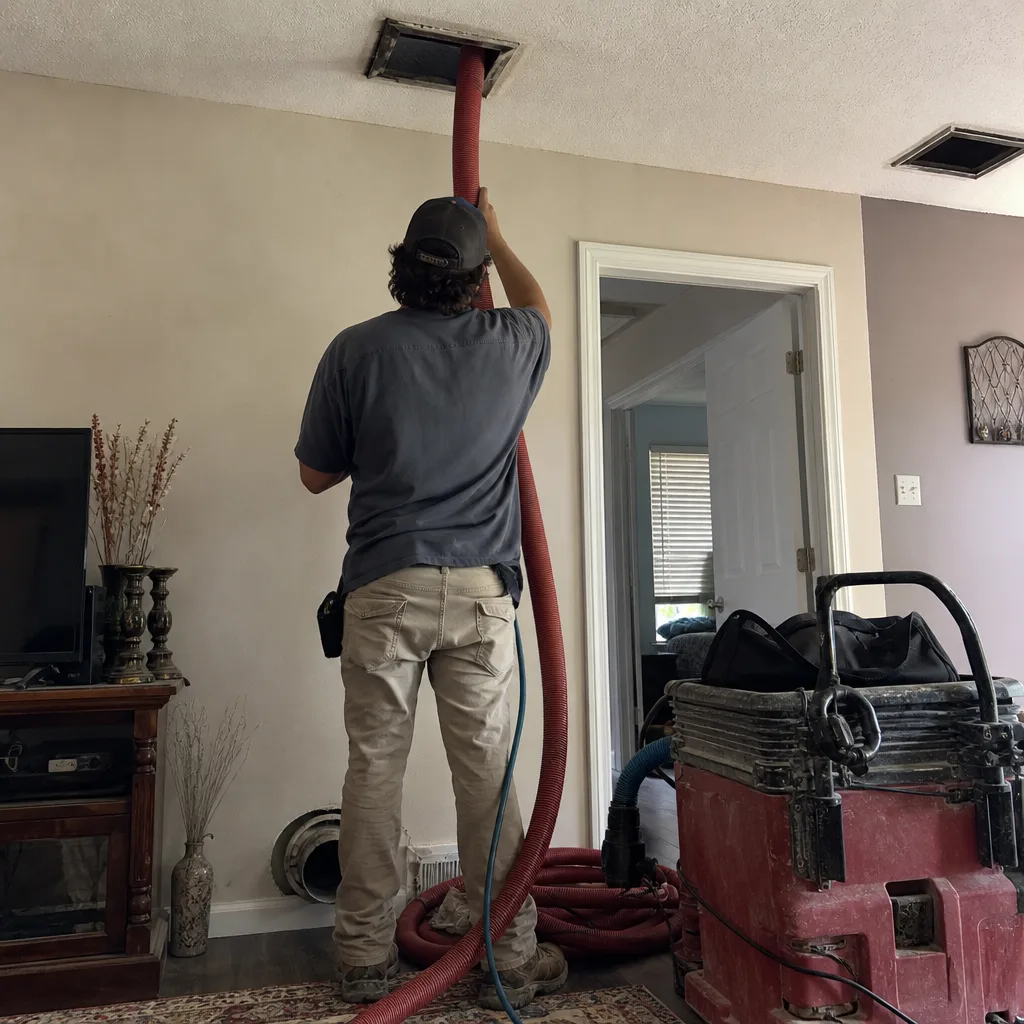 Before
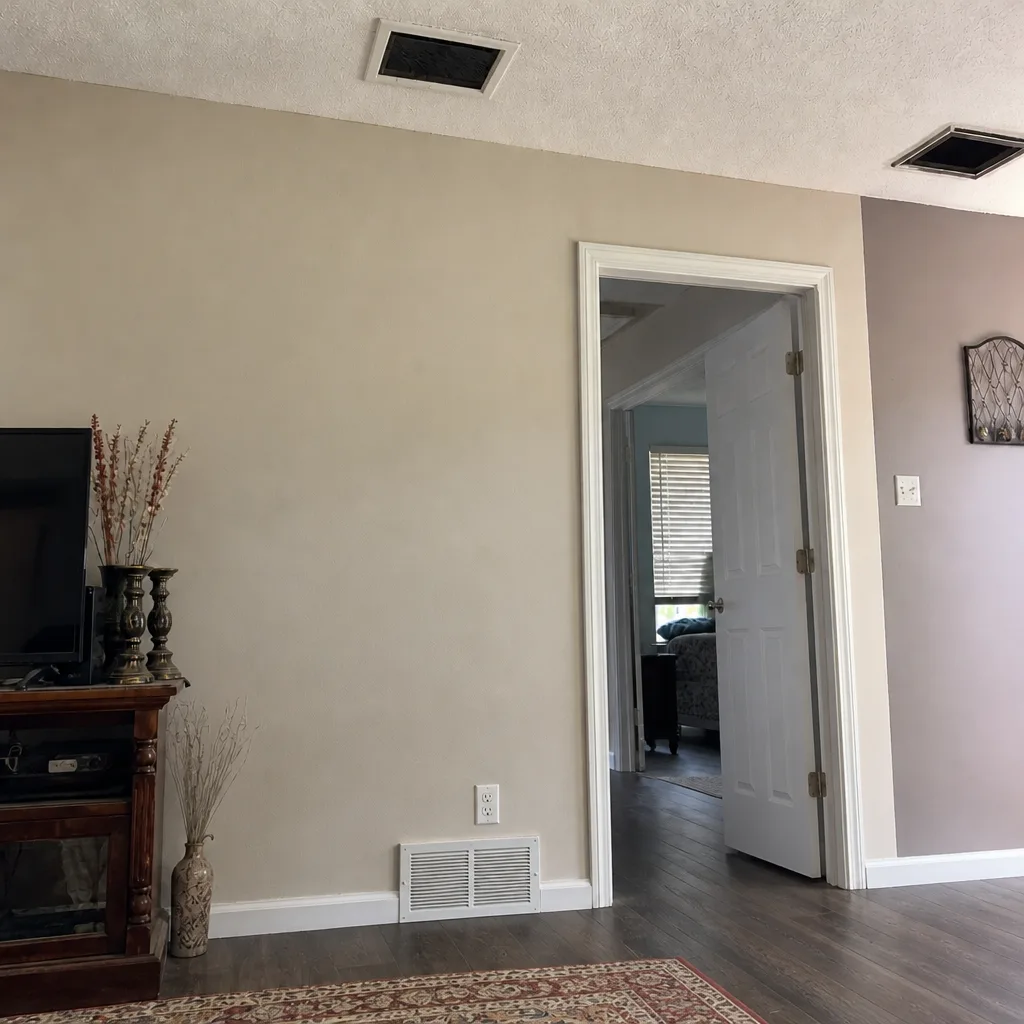 After
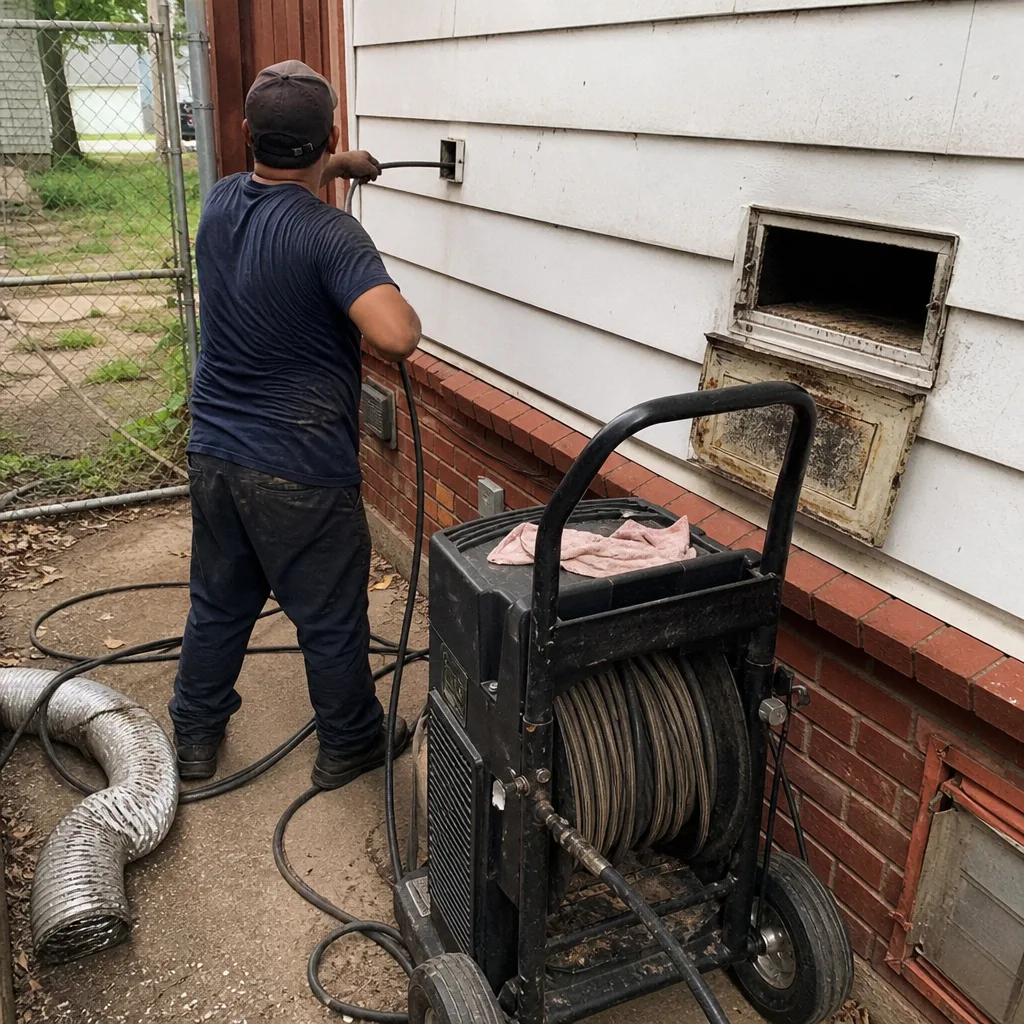 Before
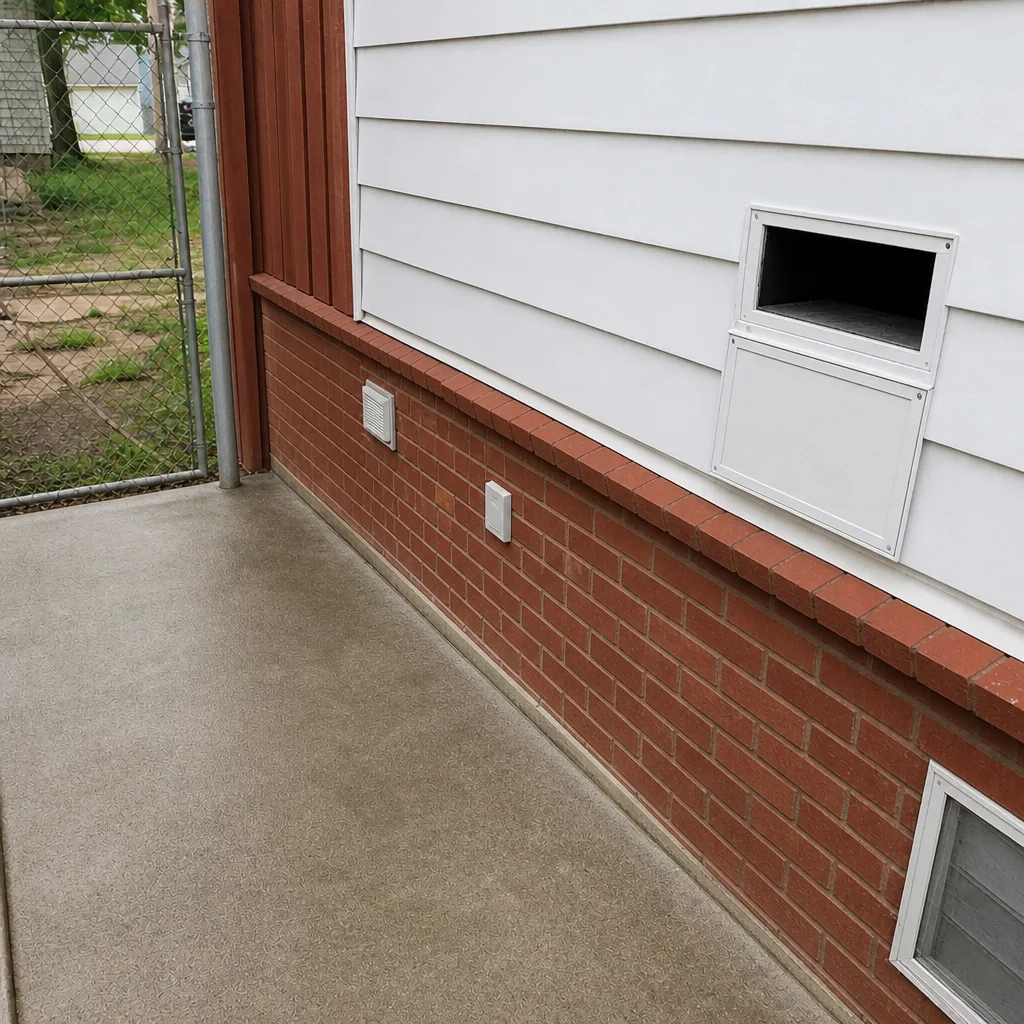 After
 Before
 After
When to Call a Professional
Some duct problems are obvious, and some aren’t. Call a specialist when you notice visible dust plumes at the registers after the system kicks on, when different rooms heat or cool unevenly, when someone in the home has a respiratory condition that air quality affects, or when you’re moving into a Wichita Falls home with an unknown ductwork history. Call when you can hear the system but the airflow at a register is weak, and call when a recent cleaning felt too fast for the work described. And call a company that can repair, not just clean, if you suspect a disconnected joint, crushed flex run, or torn lining. Our technicians have up to 15 years of experience, and we can inspect, clean, and repair in one visit. Forge Duct Cleaning offers free estimates in Wichita Falls. Call (844) 230-0769. We answer 24/7. Fast dispatch from 7am to 7pm, Sunday through Friday.
Frequently Asked Questions
There’s no honest fixed price for duct cleaning because the range depends on the number of runs, the size of the home, the system layout, and whether repairs are needed. You should expect a free written estimate that sets the total price per job before any work starts, not a coupon figure that changes once the technician is on site. Any company quoting a price over the phone without seeing the system is guessing. Call (844) 230-0769 for a free estimate, and we’ll give you a written number based on your actual system.
Lower quotes usually reflect a narrower scope: less equipment, a faster pass over the ductwork, no inspection, and no repair capability. That’s not a scam, but it’s a different job. The cheapest quote may cover only the accessible sections and skip the runs that need it most. The right response is to ask every company the same questions from this guide and compare the answers, then decide whether the savings are worth the difference in scope. Call (844) 230-0769 for a free estimate you can compare against the others.
You should see before-and-after photos or video of your own ducts. A company that’s confident in its work will show you the evidence without you having to ask twice. If a technician cleans and leaves without a visual record, you have no way to verify the scope of the job. Insist on seeing the photos at the walkthrough, and ask about any findings before the technician leaves. Call (844) 230-0769 to book a job where you’ll see the results.
Most homes benefit from inspection and cleaning every few years, and Wichita Falls homes with heavy summer cooling load or high dust exposure may need to sit on the shorter side of that range. A home with pets, recent remodeling, or a known ductwork issue can need it sooner. The honest answer is that frequency depends on your system and your conditions, which is why an inspection tells you more than a schedule. Call (844) 230-0769 for a free estimate and a straight assessment.
No, but NADCA membership is the strongest credential available in this trade, and you should treat it as a minimum filter. The association sets standards for inspection, cleaning, and restoration that give you a defensible bar to compare companies against. A company without it isn’t automatically disqualified, but it should have a clear and credible answer for why. Check membership before you evaluate equipment and experience. Call (844) 230-0769 if you want to talk through what the standards mean for your home.
A focused duct specialist can clean and repair in the same visit, which is exactly what you want. Cleaning without repair capability leaves you with a system that’s clean today and leaking debris back in tomorrow. Ask every company what happens if they find a crushed run or disconnected joint. If the answer is a referral, you’ve learned something about their scope. Call (844) 230-0769 to book a visit where inspection, cleaning, and repair happen together.
The Bottom Line
Brand recognition is the weakest signal in this trade. The variables that actually predict a good job are the credential behind the company, the tier of equipment and its rated airflow, the technician’s experience, the capacity to repair what the inspection finds, and reviews that describe outcomes rather than feelings. Use those five tests as your checklist on every quote, and ask the pre-call questions before you book. In Wichita Falls, that approach separates a focused specialist from a generalist adding duct cleaning as a line item. Our technicians have up to 15 years of experience, we run Rotobrush and Nikro equipment, and we treat duct repair as a core service. Call (844) 230-0769 for a free estimate. We answer 24/7. Fast dispatch from 7am to 7pm, Sunday through Friday.
Written by the team at Forge Duct Cleaning.