
Last updated November 15, 2026
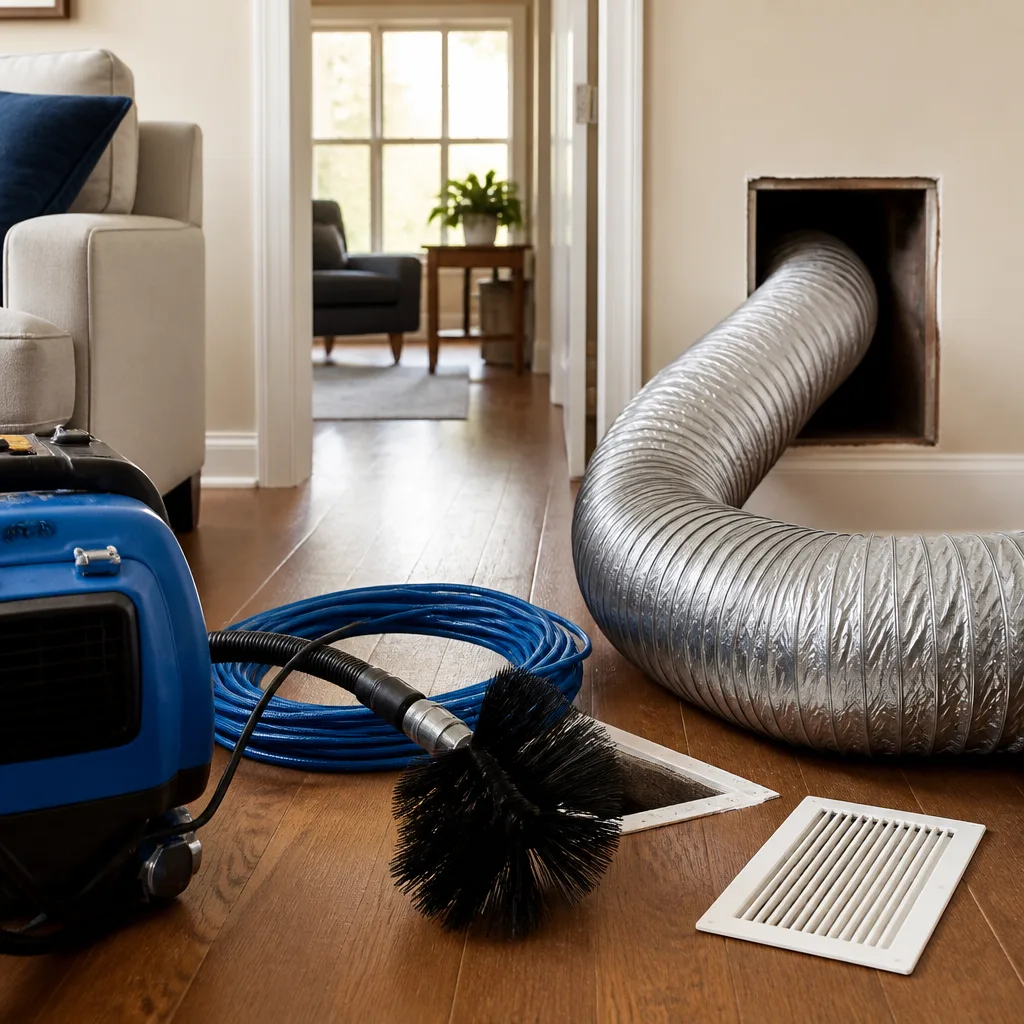 Whole-home duct cleaning
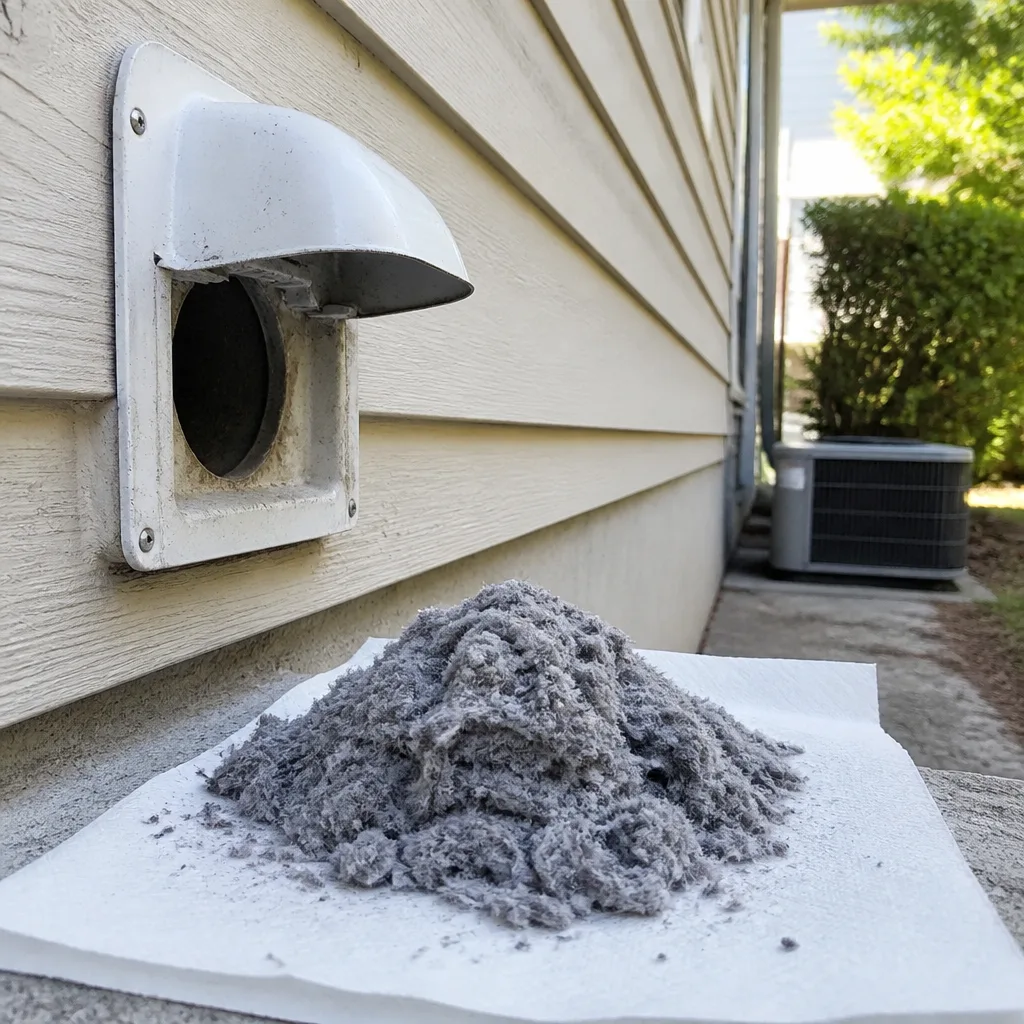 Dryer vent cleaning
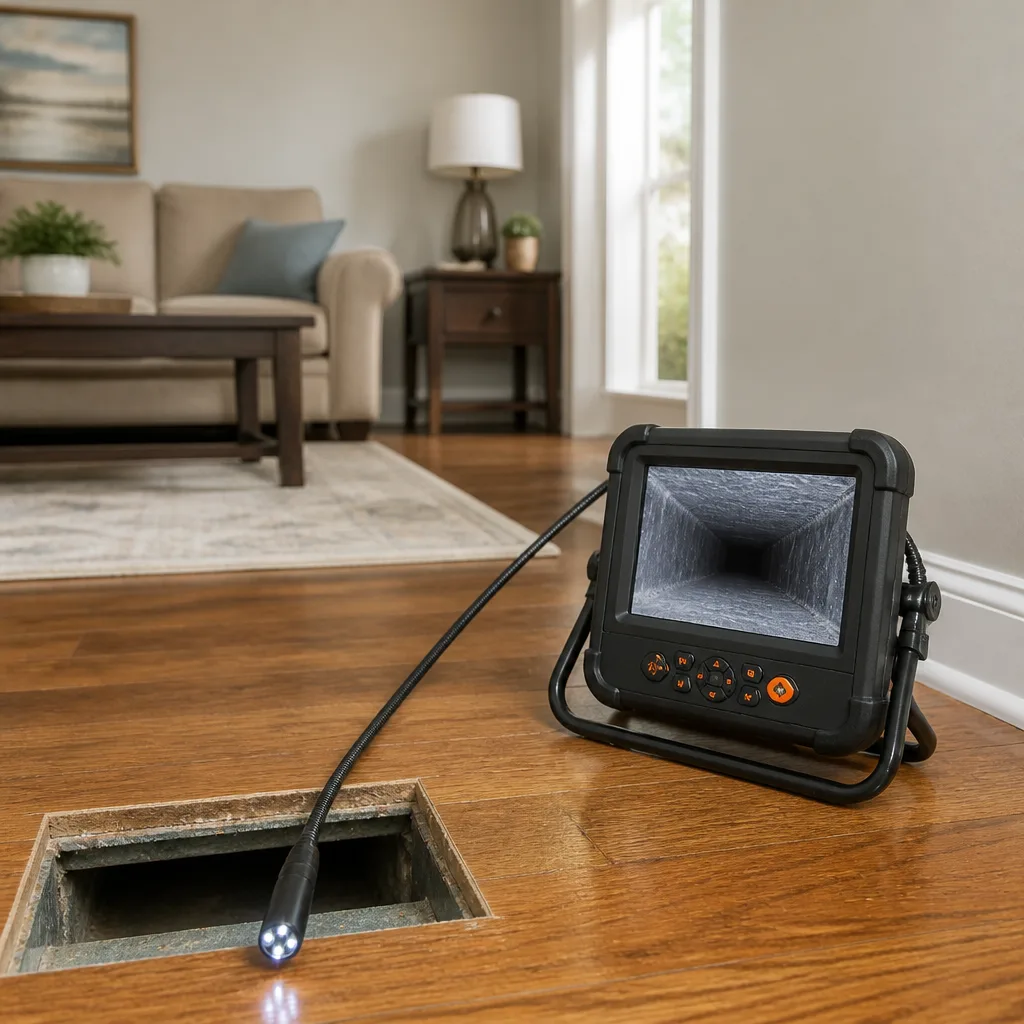 Camera inspection
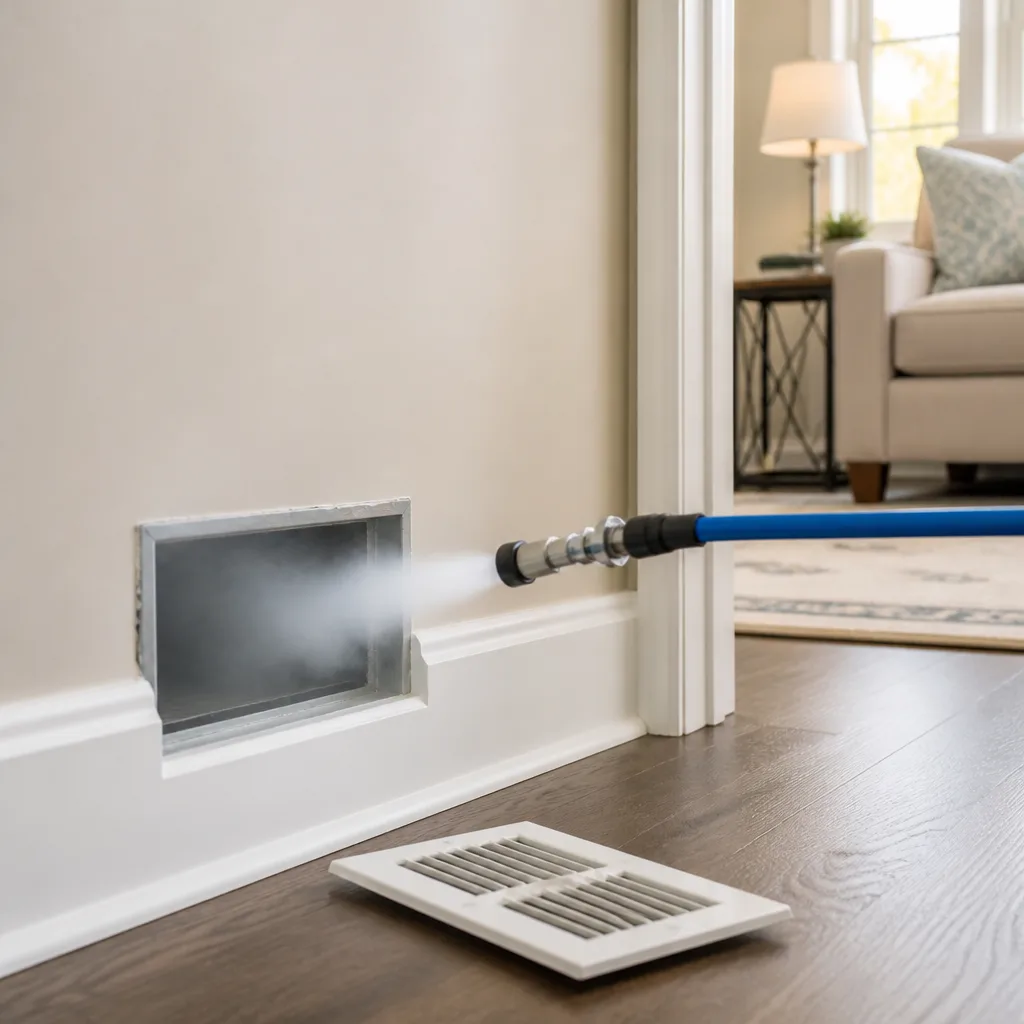 Sanitizing & deodorizing
Whole-system duct and dryer vent check with before-and-after photos - you see exactly what came out of your vents
That "$99 whole-house special" is a bait ad - the real number appears once they are in your hallway, or the "clean" is a shop-vac at the register. We photograph the inside of your ducts before and after instead.
Air Duct Cleaning Permits, Codes & Inspections in Wichita Falls, TX: What You Need to Know
Here’s the part almost nobody tells you: cleaning your ducts usually needs no permit at all, but the repair work that a cleaning often reveals usually does. That’s the opposite of what most homeowners assume. They hear “duct cleaning” and figure the whole job sits in the same category, so when a technician mentions that a length of duct has to be replaced, the question of a permit never comes up. If a technician replaces more than a small section of duct and doesn’t mention a permit, that’s not a favor – that’s liability you’re inheriting. This guide draws the precise line between cleaning and modification in Wichita Falls, explains how Texas licensing law applies to the people doing the work, and shows you the paperwork that protects your home at resale.
Quick Answer
Air duct cleaning alone does not require a permit in Wichita Falls, because it’s classified as maintenance and does not alter the mechanical system. But once the work crosses into replacing duct runs, relocating or adding registers, or modifying the system’s layout, it becomes permitted mechanical work under the Texas Mechanical Code, and the contractor performing it must hold the appropriate license under Texas Occupations Code Chapter 1301. Ask for the license number and the permit before any repair begins.
Styles & brands we work with
- Whole-home duct cleaning
- Dryer vent cleaning
- Camera inspection
- Sanitizing & deodorizing
Table of Contents
- Where the permit line falls: cleaning versus modification
- How Texas HVAC licensing law (Chapter 1301) applies to duct repair
- What the City of Wichita Falls mechanical inspection looks like
- How to request and verify a contractor’s TACLB license
- The documentation trail that protects your resale value
- Why Wichita Falls conditions make duct integrity matter
- When the last person in your ducts skipped the permit
Where the permit line falls: cleaning versus modification
The dividing line is simple to state and surprisingly easy to blur in practice. Cleaning removes debris from inside a duct that stays exactly where it is. Modification changes the duct system itself – its shape, its routing, or its connection points.
Under the Texas Mechanical Code, routine maintenance of a mechanical system generally does not require a permit. That covers the work a duct cleaning company does: negative-pressure cleaning, agitation of the duct interior, sealing small gaps in accessible joints, and replacing a filter. Nothing about the system’s design changes. The ducts go back together the way they came apart.
What does require a permit is work that alters the system. In practical terms, that means:
- Replacing a duct run rather than repairing a short damaged section. A patch or splice on an accessible segment is maintenance. Pulling out a full run and installing new ductwork is an alteration.
- Adding, removing, or relocating a register or return. Any change to where air enters or leaves the system changes the system’s design and its balance.
- Rerouting ductwork to serve a new room, a remodeled space, or a converted garage.
- Changing duct size beyond a repair, which affects static pressure and the load calculation the system was built around.
- Connecting a new appliance or air handler to the duct system, which falls under mechanical equipment installation rules.
The wrinkle for homeowners is that a cleaning can uncover a problem that requires one of those alterations. Ducts that have been crushed or disconnected in an attic or crawl space, or that are sagging and leaking badly at the joints, may not be repairable in place. When that’s the case, the job shifts categories. That’s the moment to ask about a permit, before the technician starts cutting. A Forge Duct Cleaning visit is worth having specifically because a specialist who repairs what they find can tell you at that moment whether you’re looking at maintenance or an alteration.
How Texas HVAC licensing law (Chapter 1301) applies to duct repair
Texas regulates air conditioning and refrigeration work through Occupations Code Chapter 1301, and the licensing authority is the Texas Department of Licensing and Regulation, known as TDLR. Anyone who performs HVAC work for compensation in Texas must hold a license issued under that chapter, or work under someone who does.
Here’s what most homeowners don’t realize: duct repair is not a separate, unlicensed trade in Texas. Replacing or installing ductwork is part of the air conditioning and refrigeration contracting scope covered by Chapter 1301. A company that cleans ducts and a company that repairs ducts can both be legitimate, but only the one licensed under Chapter 1301 is authorized to do the repair side. Cleaning itself is not licensed HVAC work – that’s why you’ll see general cleaning companies offering it. Repair is different.
For duct modification work, the license you’re looking for on the contractor’s side is an air conditioning and refrigeration contractor license, which shows in the TDLR system with a TACLB prefix. The license belongs to the contracting business, and the individual technicians working under it are covered by the contractor’s license and their own technician registration. What that means in practice:
- The business name on your estimate should match the business name on the TACLB license.
- Your written estimate should carry that TACLB number. If it doesn’t, ask why.
- If a company hands you a bid for duct replacement with no license number anywhere on it, treat that as a signal about how the rest of the job will be handled.
This matters most in older Wichita Falls housing stock, where duct systems have been patched, extended, and jury-rigged over decades. A repair that looks small on the surface can require a genuine mechanical alteration underneath. You want the person making that call to be licensed to make it.
What the City of Wichita Falls mechanical inspection looks like
When duct work crosses into permitted territory, the City of Wichita Falls building department’s mechanical inspection process kicks in. The contractor pulls the mechanical permit, and the contractor schedules the inspection – not you. That’s the piece homeowners often get wrong. They assume the city will call them. It won’t. The permit holder is responsible for requesting the inspection at the right stage.
A typical sequence for a permitted duct modification runs like this:
- Permit application. The licensed contractor files with the City of Wichita Falls and pays the permit fee. The scope of work, the address, and the contractor’s license number all go on the application.
- Rough-in inspection. Before the ducts are closed up or buried behind drywall, insulation, or attic decking, the inspector verifies the installation: duct material, sizing, support, sealing, and connection to the equipment.
- Correction and re-inspection if needed. If anything fails – inadequate support spacing, unsealed joints, improper materials – the contractor corrects it and schedules a return visit.
- Final inspection and sign-off. Once the rough-in passes and the system is complete, the permit closes out. That final sign-off is the document you want in your file.
In our experience, the jobs that sail through are the ones where the contractor knew the requirements before starting. The jobs that stall are the ones where somebody treated a duct alteration as maintenance, skipped the permit, and left the homeowner with a finished-looking job that has no paper behind it. If your contractor is vague about who calls the city or when the inspection happens, that’s your answer about how the permit side will go.
One practical note: the City of Wichita Falls sets its own permit fees and its own scheduling process. Rather than trusting a number you heard secondhand, ask your contractor to show you the permit application and fee when they file, or call the city’s building department directly to confirm what applies to your address.
How to request and verify a contractor’s TACLB license
Asking for a TACLB license number is not an insult to the contractor. It’s the same thing a careful business does before hiring anyone: check the credential. The request should happen before any repair work begins, and ideally before you sign the estimate.
Verification takes a few minutes and you can do it yourself:
- Ask for the number in writing. The TACLB license number should appear on the written estimate, not just be spoken over the phone.
- Go to the TDLR license search. TDLR maintains a public license lookup on its website. Enter the number.
- Confirm three things: that the license is active and not expired, that the license type matches the HVAC contractor scope, and that the business name on the license matches the business name on your estimate.
- Check for complaints or enforcement history in the same record while you’re there.
- If a crew shows up without a number on the paperwork, pause the work and ask before anything is removed. A legitimate contractor will have the number ready.
The reason this step is worth the five minutes: unlicensed duct work creates problems you may not discover for years. A duct run that’s under-supported, sealed with the wrong product, or sized incorrectly can cause pressure problems that stress the blower, uneven temperatures across the house, and efficiency losses you’ll feel on every utility bill. By the time you find out, the person who did the work may be long gone.
Licensing also matters when the job requires a permit, because the City of Wichita Falls won’t issue a mechanical permit to an unlicensed contractor. An unlicensed company won’t propose pulling a permit at all. That’s how the unpermitted work happens – quietly, with a good-looking installation and no record.
The documentation trail that protects your resale value
When you sell a house in Texas, the buyer’s inspector will go through the attic and crawl space and will look at the mechanical systems. Unpermitted duct alterations are one of the easier things for a good inspector to spot, and one of the more annoying things to resolve after a contract is signed. The buyer’s agent asks for the permit. You don’t have it. Now you’re negotiating over work you already paid for.
The file that prevents this is small. Keep these documents together, and keep them even if you have no plans to sell:
- The mechanical permit itself, showing the permit number, the scope of work, and the date it was pulled.
- The final inspection sign-off, which is the piece that actually proves the work was approved by the City of Wichita Falls.
- The written estimate or contract, showing the contractor’s name, TACLB license number, the specific scope of work, and a photo record of the before-and-after condition of your ducts.
- The equipment documentation, if any air handler, humidifier, or air-quality component was added or modified alongside the duct work.
Before-and-after photos deserve their own mention. A cleaning that leaves nothing behind but a receipt is hard to verify later. Photos of your own duct interior, taken by the technician, give you a record of condition at the time of service and a baseline for the next time someone’s up in your attic. When we work with the Rotobrush and Nikro systems, the before-and-after is part of the job, not an add-on.
For property managers, the same file matters in a different way. A documented permit and inspection trail protects you when a tenant reports an air quality concern, and it protects the property’s book value when the building changes hands. The paperwork is cheap to keep and expensive to reconstruct.
Why Wichita Falls conditions make duct integrity matter
Wichita Falls summers are long, hot, and dry, and that heat load shapes how hard your duct system works. When outdoor temperatures climb well into the triple digits, your air handler runs long cycles, which means sustained pressure on every duct joint, seam, and connection in the system. Leaks that would be minor in a mild climate become meaningful losses here, because the system is running more of the day.
The other local factor is dust. This part of North Texas gets wind, and wind carries fine particulate. A duct system that’s sealed well keeps that material out of the supply air. A duct system with failed joints and disconnected runs pulls it in from attics and crawl spaces. The difference between a clean system and a compromised one shows up most in the dry, dusty months.
What that means for your repair decisions:
- Small joint leaks are worth sealing during a cleaning, because unsealed joints get worse under constant pressure cycling.
- Disconnected or crushed runs are worth fixing, since a disconnected run means conditioned air is being dumped into an unconditioned attic instead of reaching the room.
- Older duct systems with sagging sections often need a genuine repair, not another pass with a vacuum. That’s where the permit question comes up.
We see this thread through our air duct cleaning work across the city, and it’s why we treat repair as part of the same job rather than a separate referral.
When the last person in your ducts skipped the permit
If you’re reading this because a previous contractor did duct work you suspect was unpermitted, you’re not stuck. The path forward depends on what was actually done and how long ago.
Start by identifying the scope. A licensed contractor can inspect the existing installation and tell you whether it was an alteration that should have had a permit or a maintenance repair that didn’t need one. Some work that feels suspect on first look turns out to be routine. Other work turns out to be a full run replacement that was never disclosed.
If the work did require a permit, the options generally run like this:
- Pull a permit after the fact. A city building department can sometimes permit and inspect existing work, though the process varies and may require opening up access for the inspector.
- Correct and document. If the installation has defects, the contractor corrects them and pulls a permit for the corrected work, so the record reflects the current condition.
- Disclose at sale. If the work is sound but unpermitted, disclosing it to the buyer with an inspection report is far better than having it discovered.
What you don’t want to do is add more unpermitted work on top. Call the City of Wichita Falls building department and ask what applies to your address before you commit to a path, then have a licensed contractor look at the installation itself.
Common Mistakes to Avoid
- Assuming duct cleaning needs a permit, then dismissing the conversation entirely. Cleaning doesn’t need one, but that doesn’t mean the repair that follows doesn’t. Treat them as two separate questions whenever the job involves more than cleaning.
- Letting a contractor talk you out of a permit “to save time.” In a hot Wichita Falls summer a delay feels costly, but the permit is what makes the work legal and recordable. The time saved comes out of your resale file.
- Not checking the TACLB number before work starts. A license number on an estimate takes two minutes to verify through TDLR. Skipping the check is the single most common mistake homeowners make on duct repair.
- Accepting a bid for duct replacement with no scope description. A one-line estimate that says “replace ductwork” tells you nothing about whether a permit is required. Push for a description of what specifically is being removed and installed.
- Throwing away the inspection sign-off. Once the city signs off, the document lives in your file, not the contractor’s. Keep it with your closing documents and any other home records.
- Rehiring the same unlicensed person for the repair. If the cleaning company that came out doesn’t hold HVAC licensing, they can clean but shouldn’t be the one replacing duct runs. Different scope, different license.
- Skipping photos. Without before-and-after documentation, you can’t prove the condition of your ducts to a future buyer or an insurance company. Photos are part of the job.
See the difference
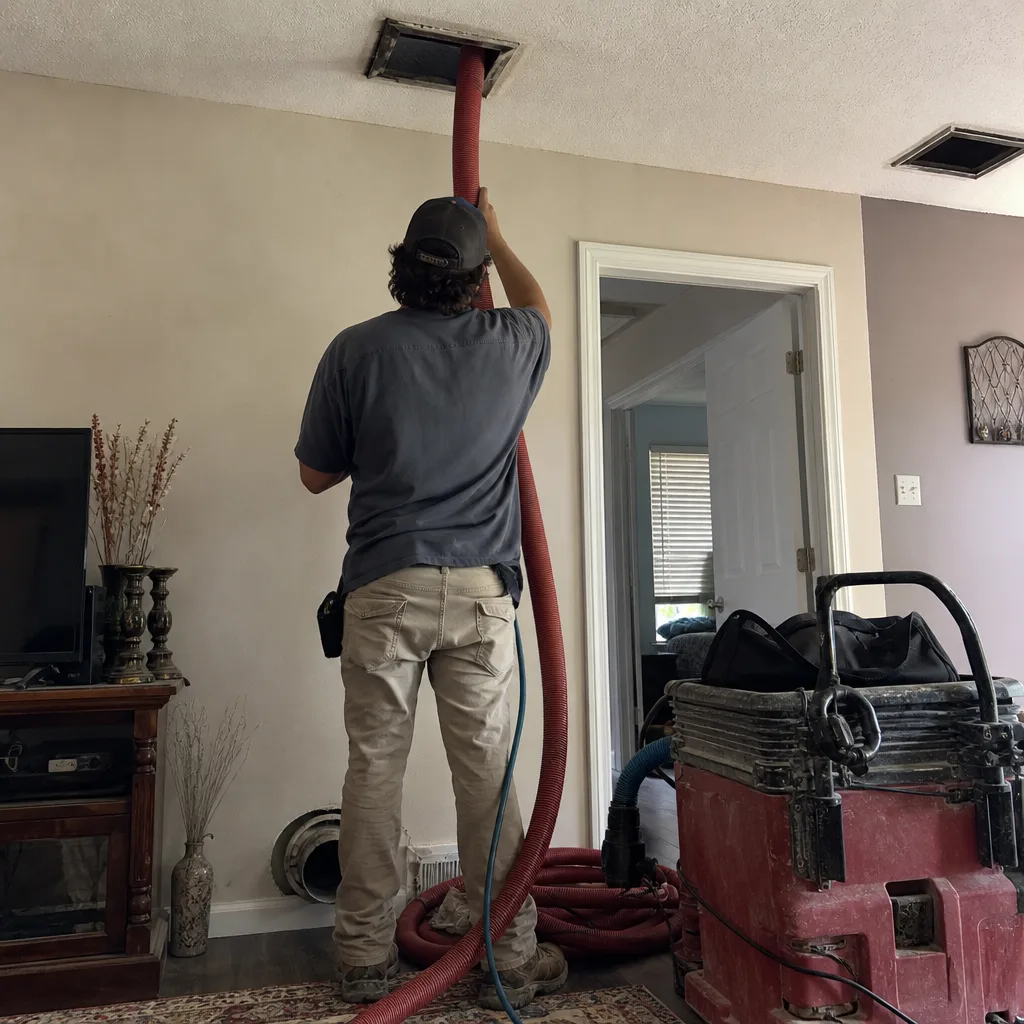 Before
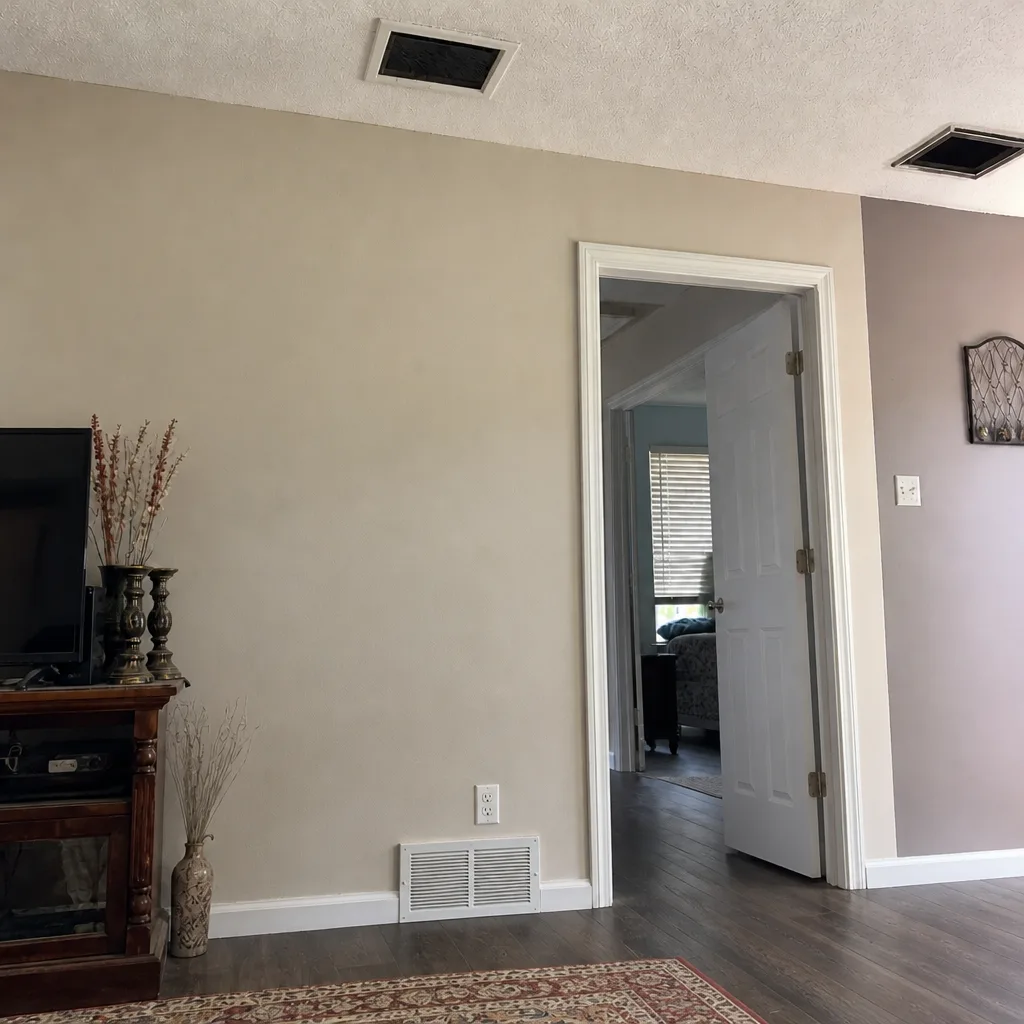 After
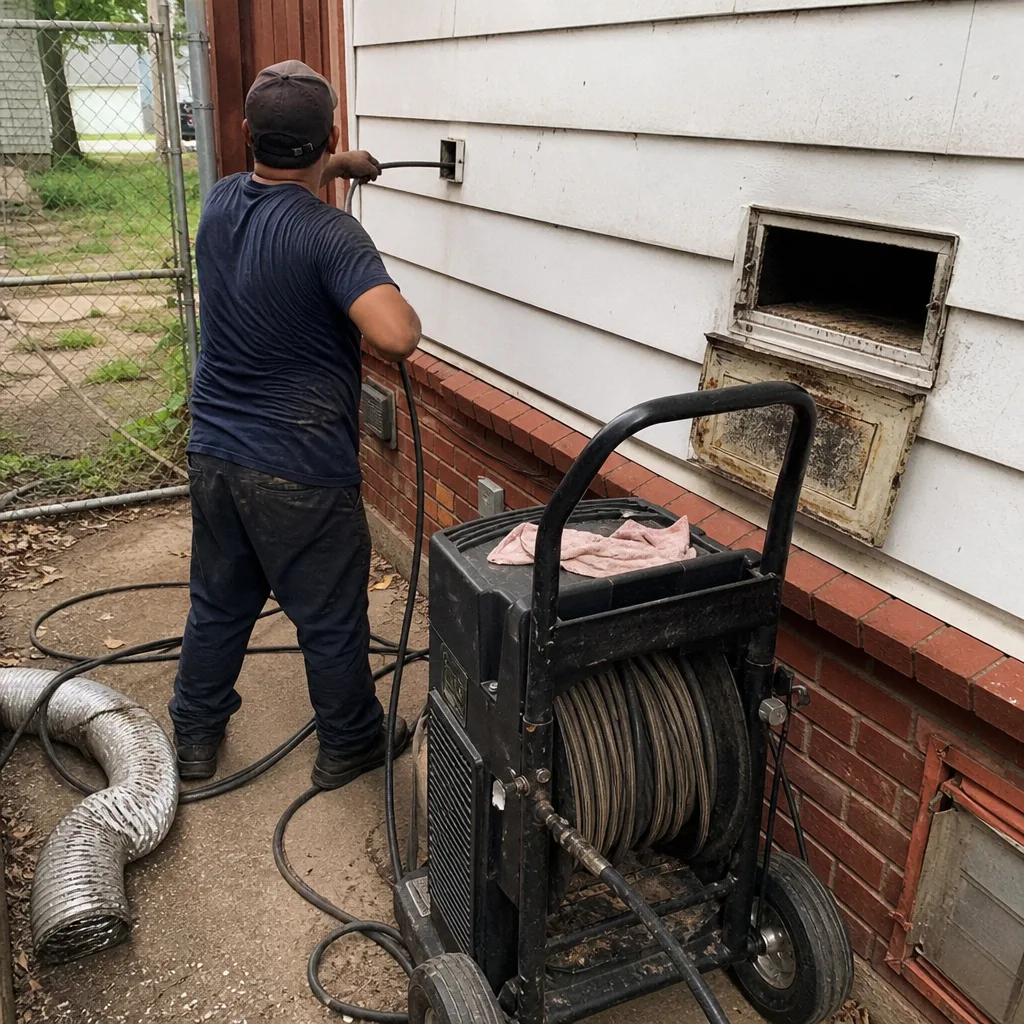 Before
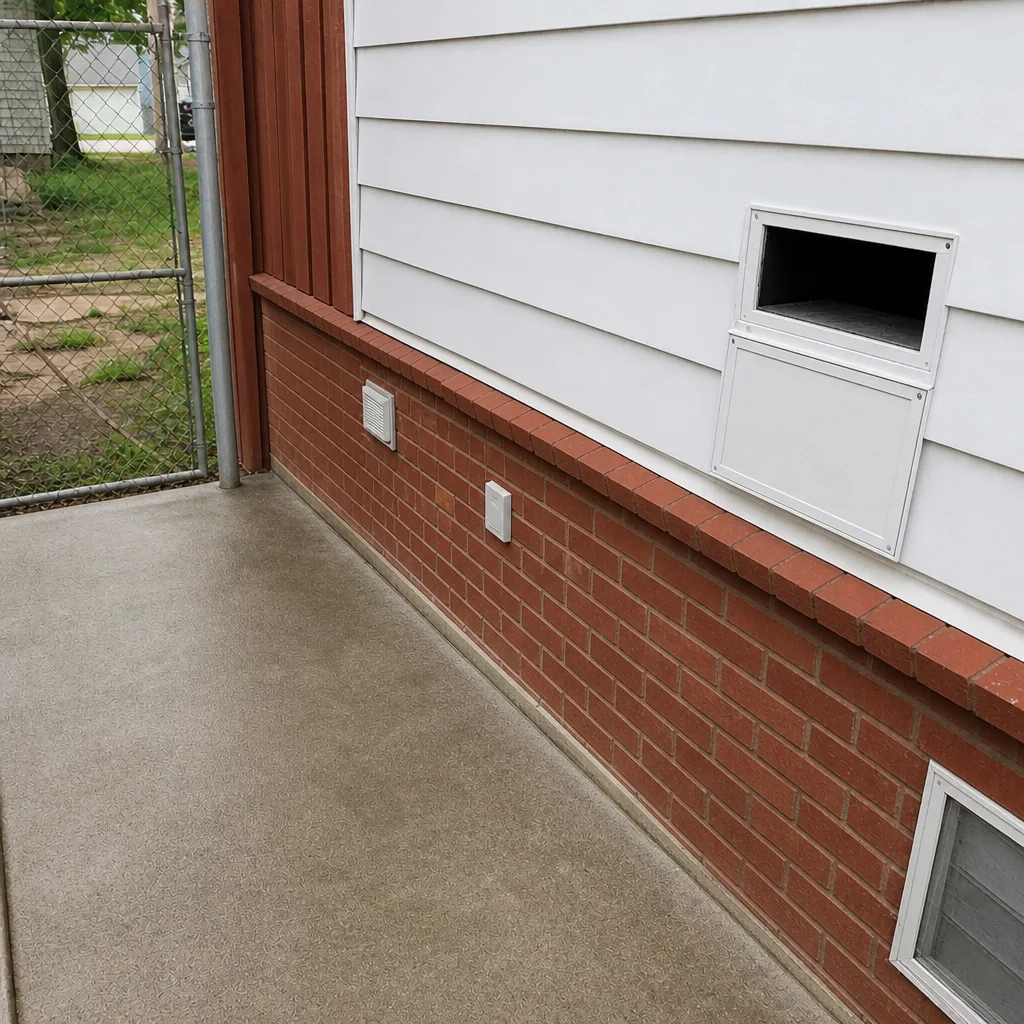 After
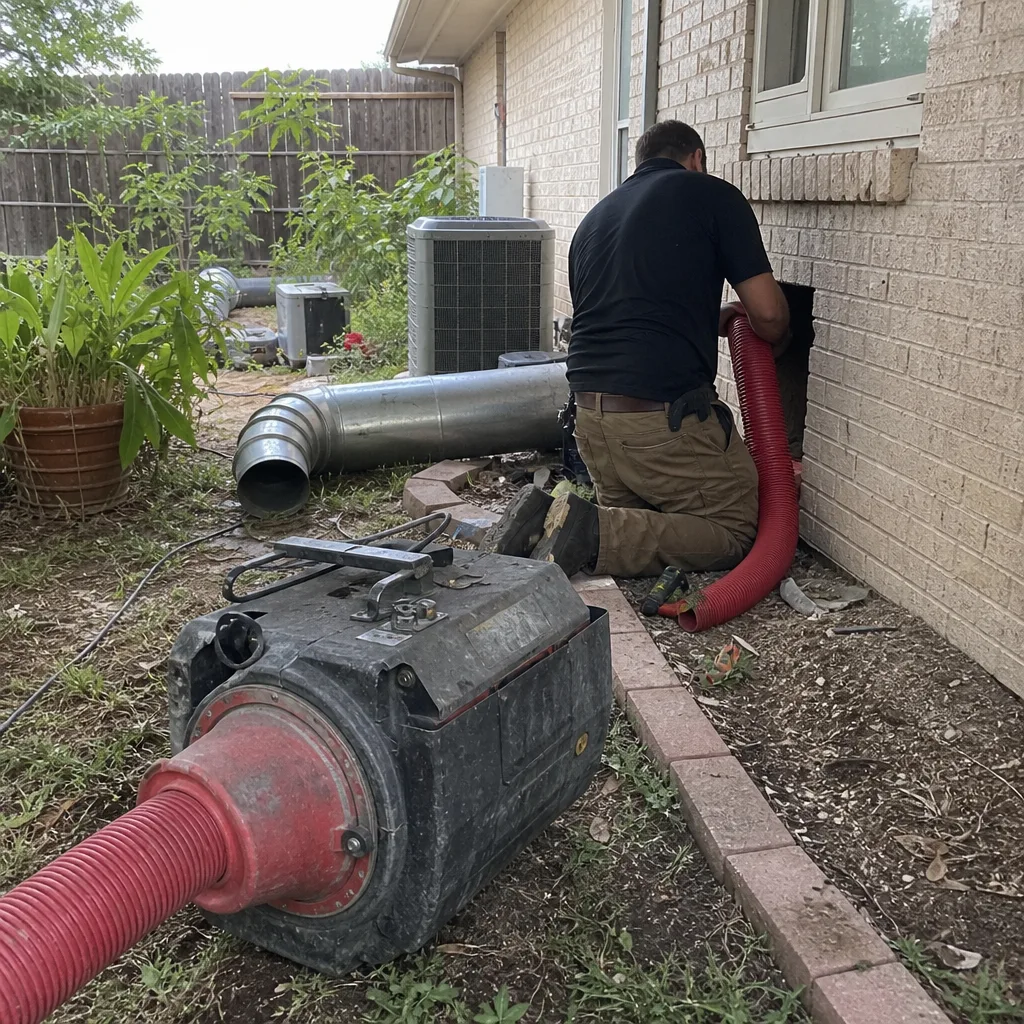 Before
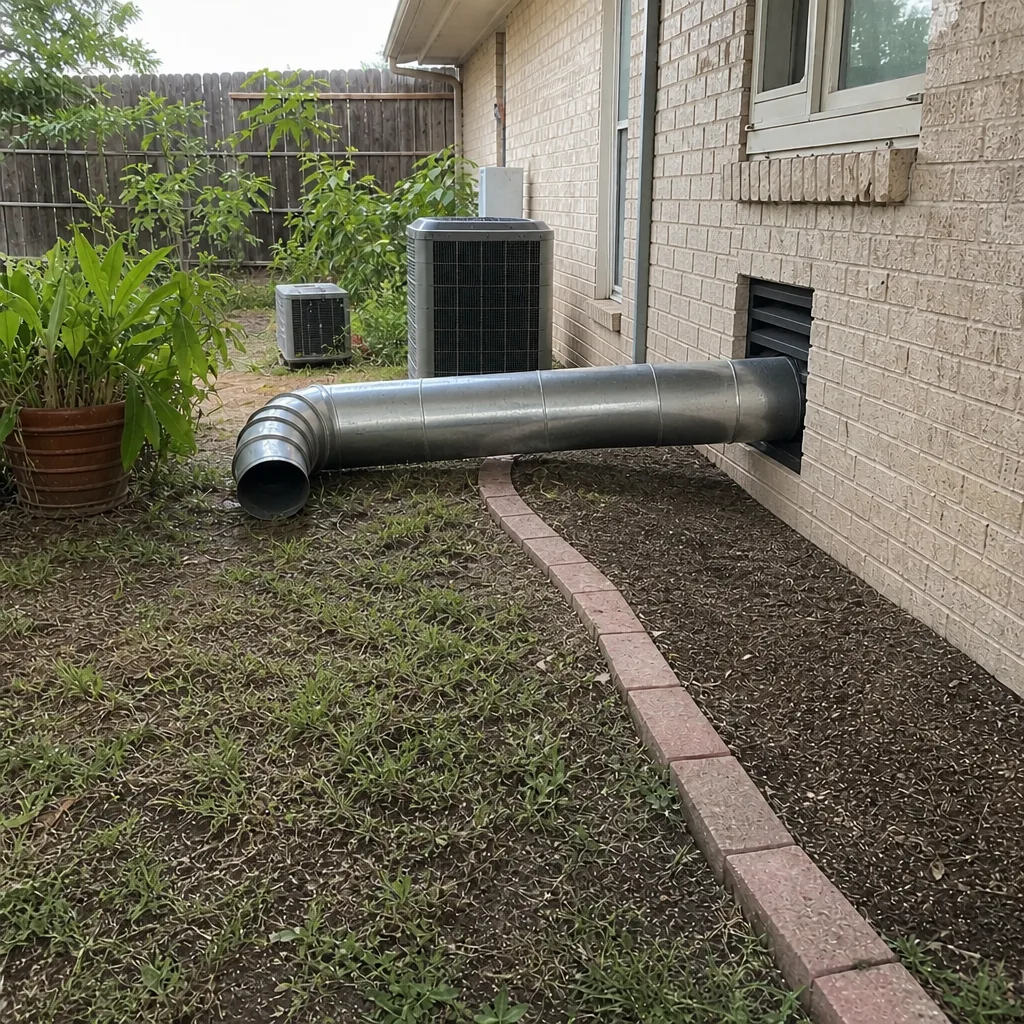 After
When to Call a Professional
Call a licensed professional as soon as you suspect a duct alteration is needed, not after. If a cleaning uncovers crushed, disconnected, or badly deteriorated duct runs, that’s an alteration, and the person diagnosing it should hold the TACLB license to make the repair legal. Same goes if you’re remodeling and need ducts rerouted, or if you’re adding a return to fix hot rooms. If you’ve just bought a house and the inspection flagged duct work with no permit record, get a licensed contractor in before you close the file on the purchase. Heat that won’t reach certain rooms, dust that keeps coming back, or a system that short-cycles after a repair all point to a duct system that needs real attention.
The cheapest call is the one made before the problem escalates. Forge Duct Cleaning offers free estimates in Wichita Falls – call (844) 230-0769. Our technicians have up to 15 years of experience, we work with professional-grade equipment from Rotobrush and Nikro, and we repair what we find rather than cleaning around it.
Frequently Asked Questions
No. Air duct cleaning is classified as mechanical maintenance and does not require a permit from the City of Wichita Falls. Cleaning removes debris without altering the duct system’s design, so it falls outside the permitted scope. The permit question only arises when the work crosses into replacing or modifying duct runs.
The threshold is when the work changes the duct system rather than restoring it. Replacing a full run, adding or relocating a register, rerouting ducts, or changing duct size all cross into permitted work under the Texas Mechanical Code. A short repair on an accessible duct segment stays in the maintenance category. If you’re unsure which side of the line your job falls on, that’s a question for a licensed contractor or the city building department.
Duct repair is part of the air conditioning and refrigeration contracting scope regulated under Texas Occupations Code Chapter 1301, which is administered by TDLR. The contractor should hold an active air conditioning and refrigeration contractor license, which you’ll see as a TACLB number. Verify it through the TDLR license search before work begins. Cleaning alone is not licensed HVAC work, which is why a cleaning company without a TACLB license shouldn’t be replacing duct runs.
The permit holder schedules the inspection, not the homeowner. Once the contractor pulls the mechanical permit with the City of Wichita Falls, that contractor requests the rough-in inspection before ducts are closed up and the final inspection when the job is complete. If your contractor is vague about who calls the city, ask directly which stage they schedule.
Unpermitted duct work can cause problems during the buyer’s inspection and turn into a negotiation after contract. A careful inspector will ask for the permit and the final sign-off, and if you don’t have them, the buyer may require corrective work or a price adjustment. Permits and inspection sign-offs go in your home file at the time of the job, not later when you’re preparing to list.
Ask for the number in writing on the estimate, then look it up in the TDLR license search on the TDLR website. Confirm the license is active, the type is HVAC contractor scope, and the business name on the license matches the business name on your paperwork. It takes a few minutes. Do it before you sign.
When duct work crosses into permitted territory, a licensed contractor must pull the permit with the City of Wichita Falls and schedule the inspections. The permit is part of the job scope on any alteration, not an optional add-on. Call (844) 230-0769 to walk through your specific situation and we’ll tell you plainly which side of the permit line your work falls on.
The Bottom Line
Cleaning and modification are different jobs under Texas mechanical code, and the difference matters most when a cleaning uncovers duct work that needs replacing. In Wichita Falls, cleaning itself needs no permit, but any alteration to the duct system does, and the person doing the alteration needs an active TACLB license. Ask for the license number, verify it with TDLR, and keep the permit and inspection sign-off with your home records. If a contractor can’t explain the permit process for an alteration, don’t let them start the work. The extra five minutes of verification protects you for the years you live in the house and for the day you sell it.
If you’re ready to have someone look at your ducts, call Wichita Falls‘ duct and air-system specialists at (844) 230-0769. We answer 24/7, fast dispatch from 7am to 7pm, Sunday through Friday. Estimates are free, and we’ll tell you plainly whether you’re looking at maintenance or a modification that needs a permit.
Written by the team at Forge Duct Cleaning.