
Last updated November 15, 2026
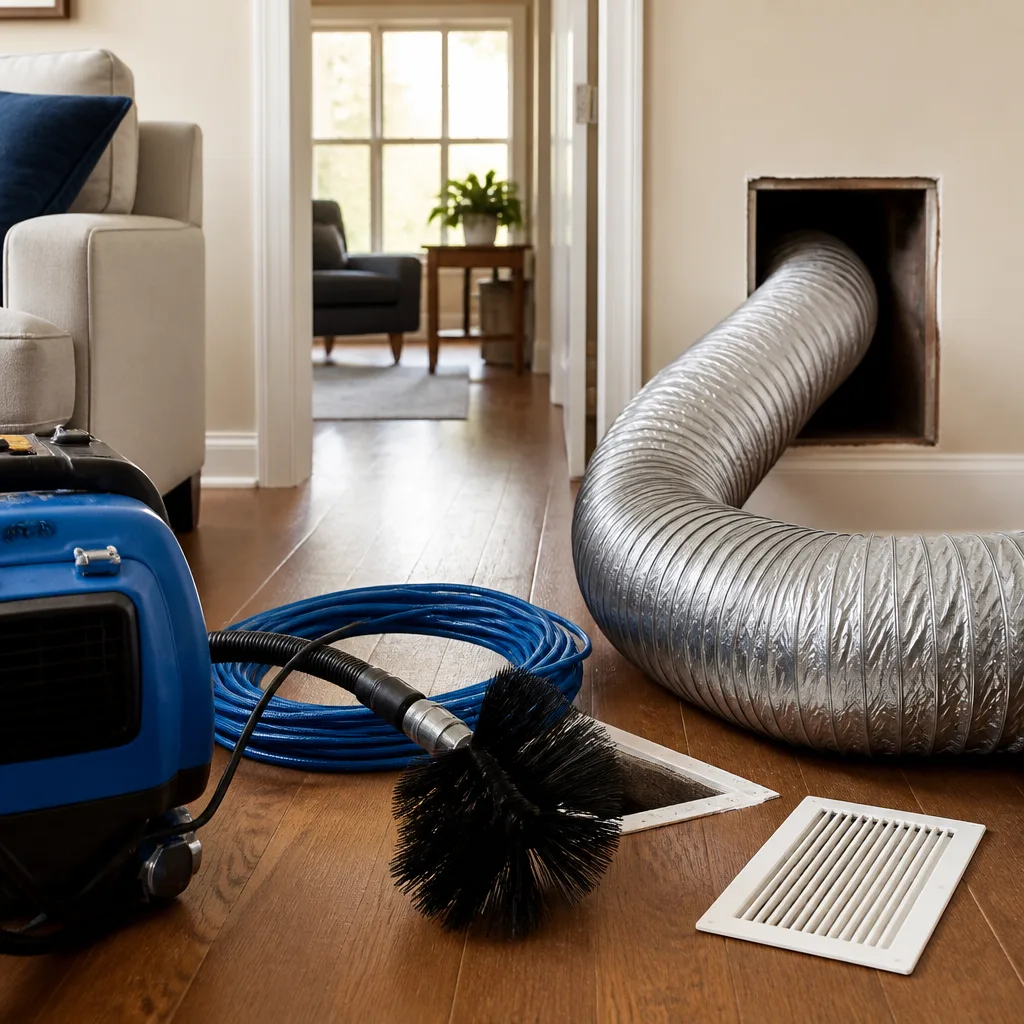 Whole-home duct cleaning
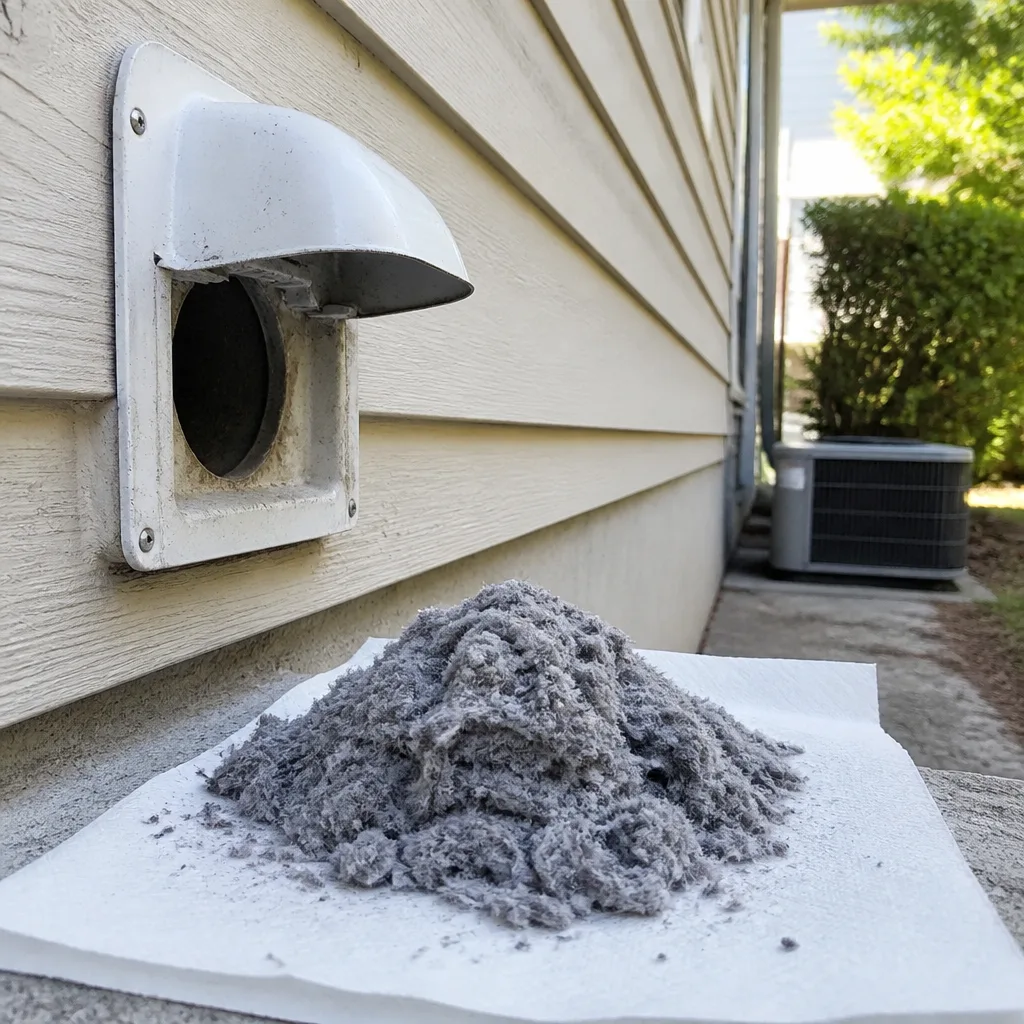 Dryer vent cleaning
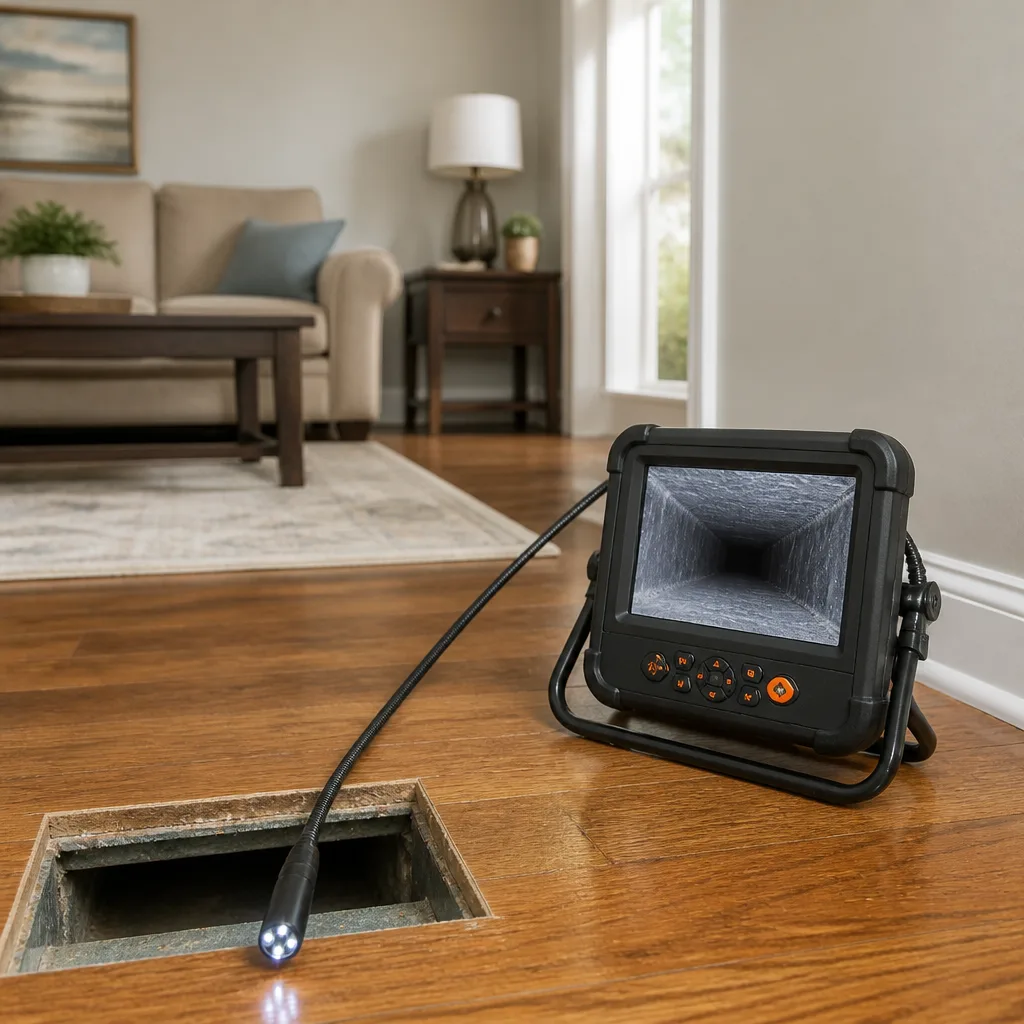 Camera inspection
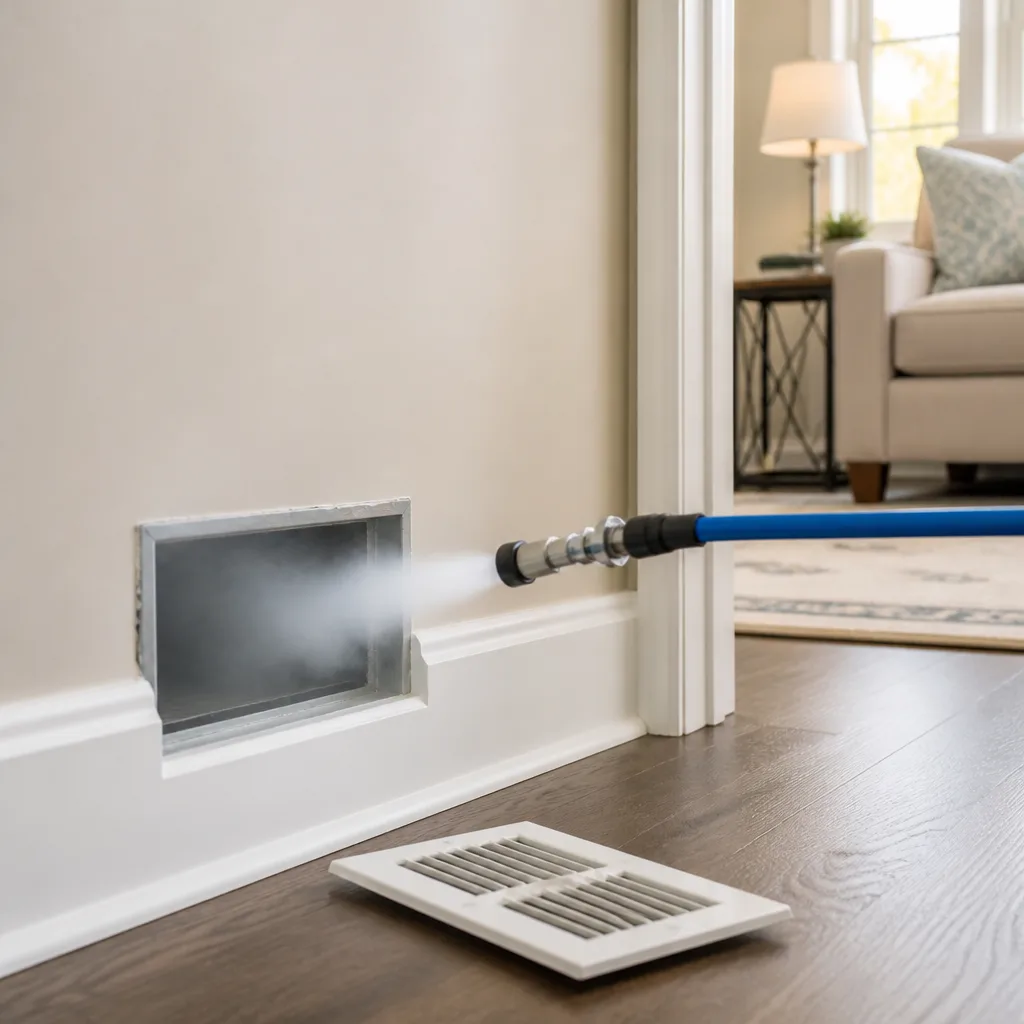 Sanitizing & deodorizing
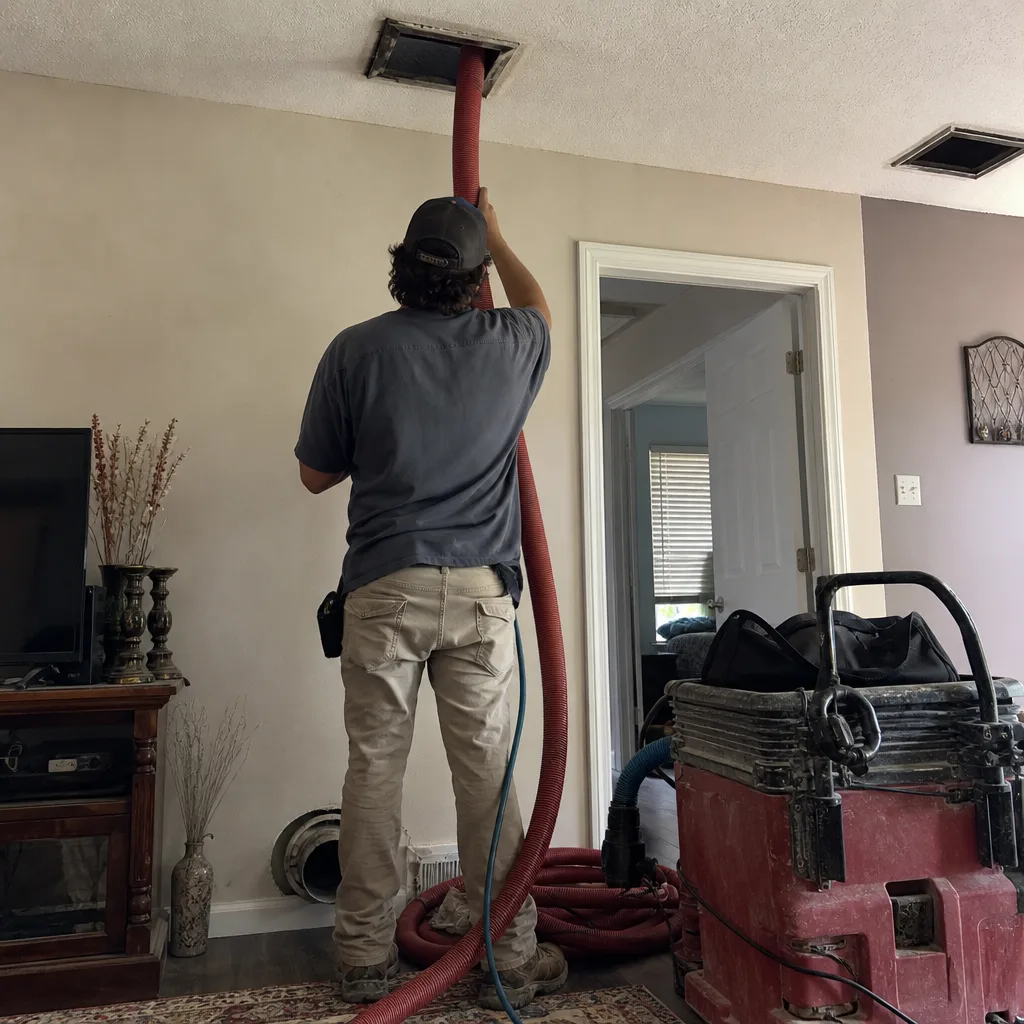
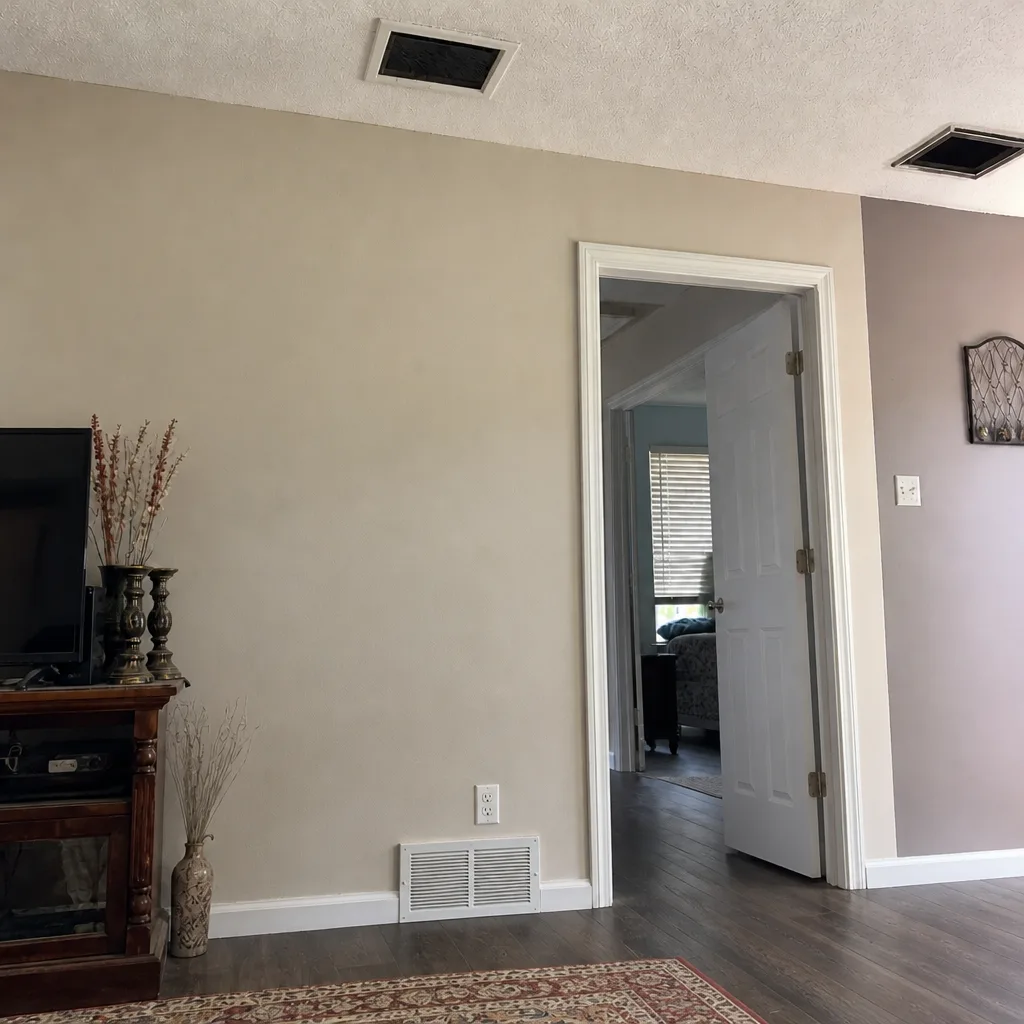
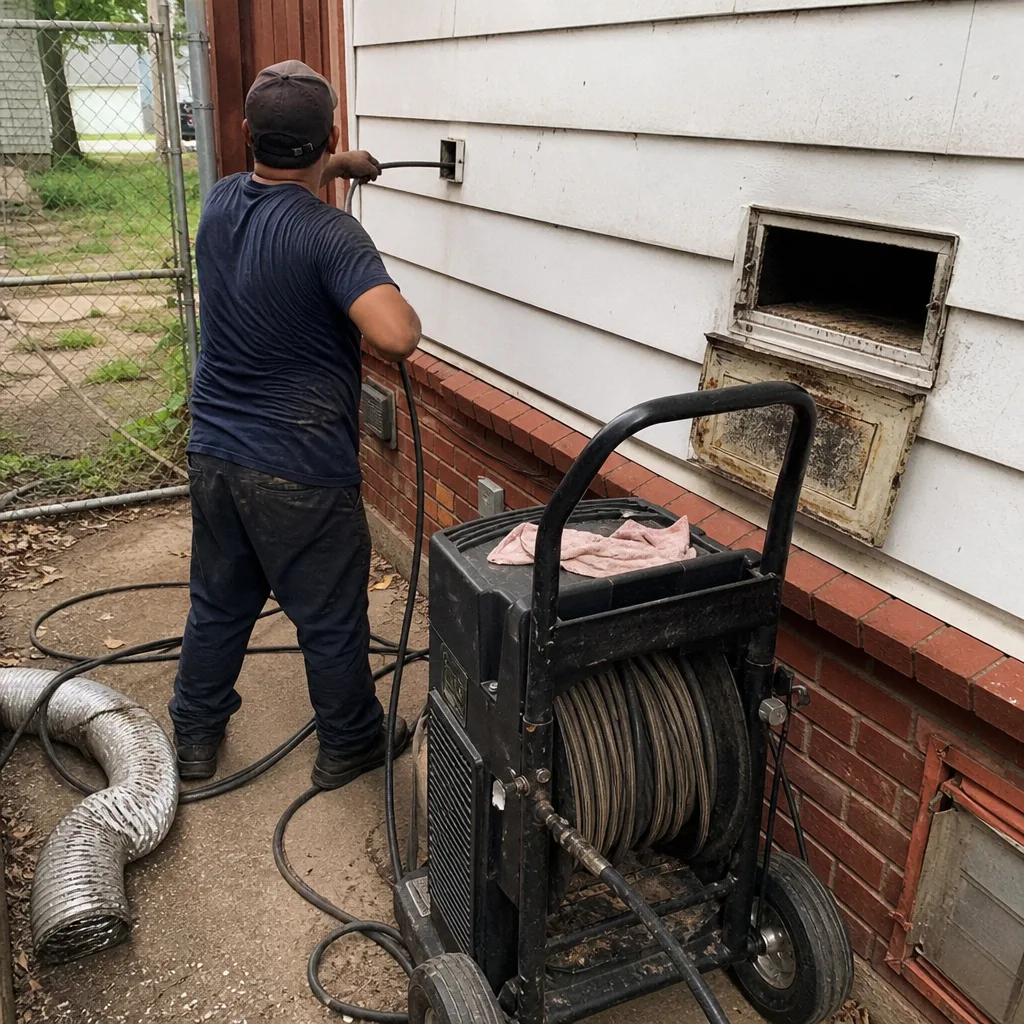
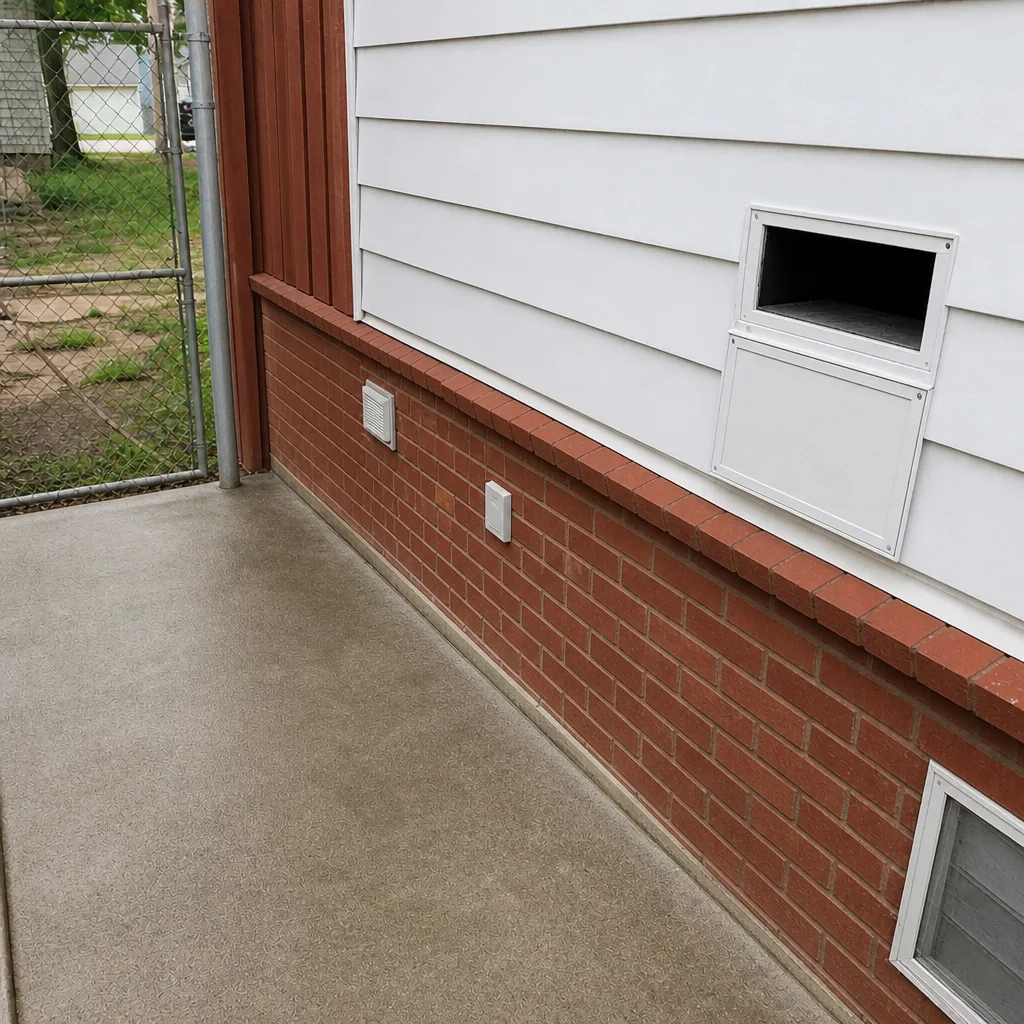
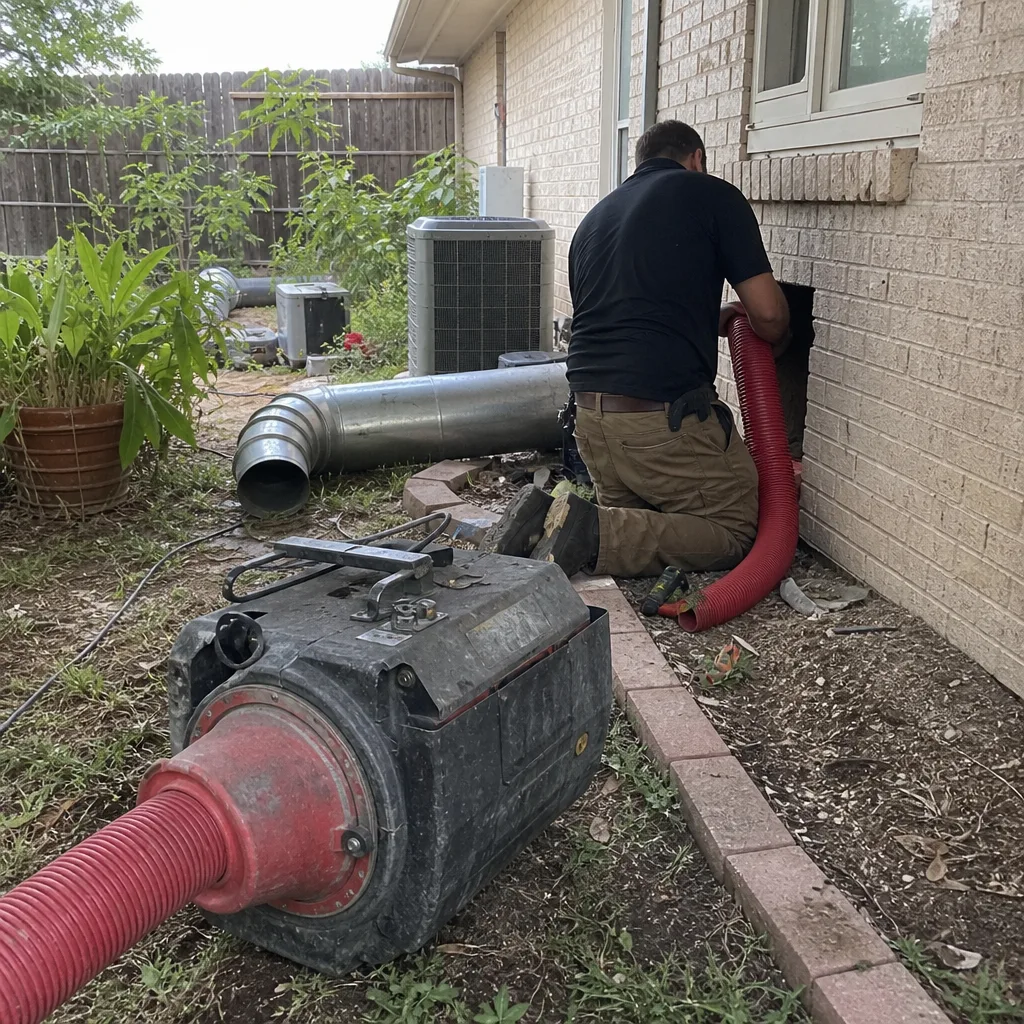
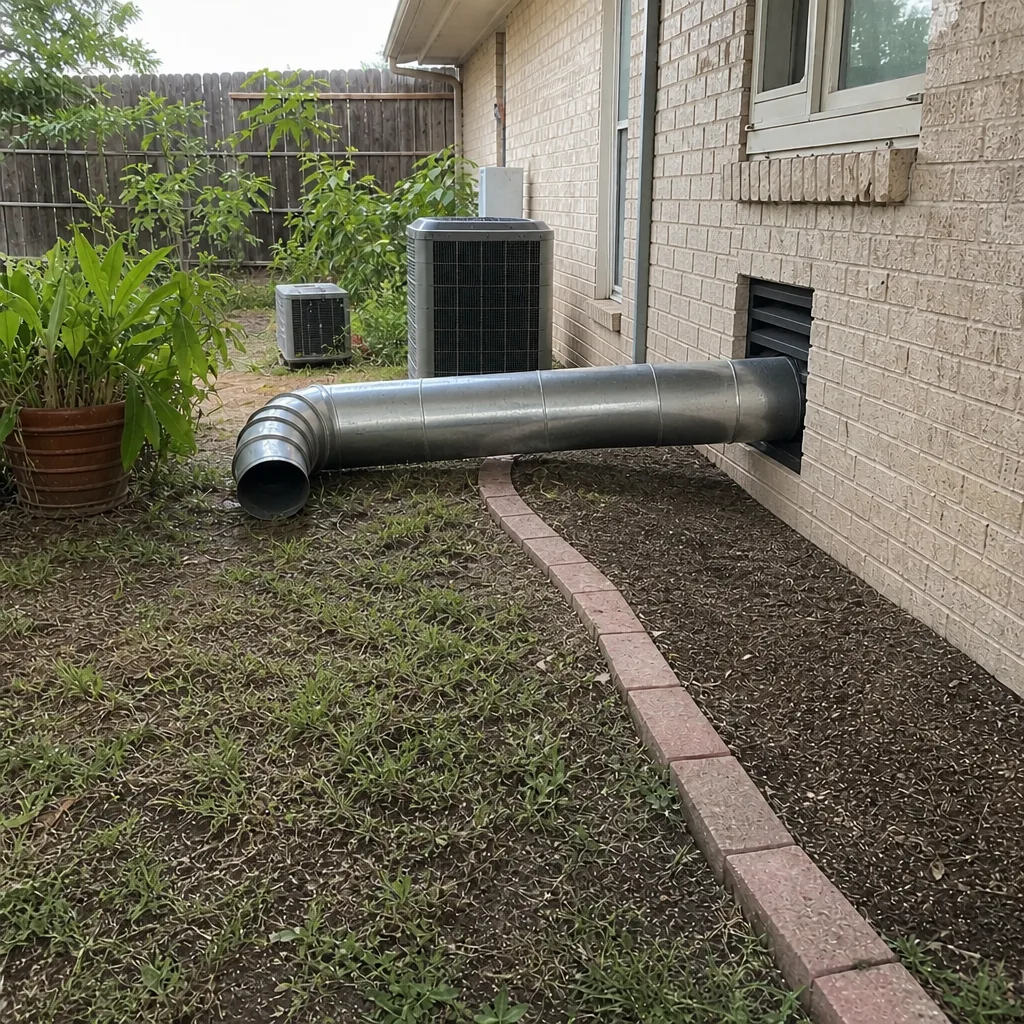
Whole-system duct and dryer vent check with before-and-after photos - you see exactly what came out of your vents
That "$99 whole-house special" is a bait ad - the real number appears once they are in your hallway, or the "clean" is a shop-vac at the register. We photograph the inside of your ducts before and after instead.
DIY vs Professional Air Duct Cleaning: The Wichita Falls Homeowner’s Decision Guide
Cleaning your vent covers and the first 12 inches of duct is the equivalent of washing the hood of your car and calling it an oil change. It looks better. Nothing that matters changed. Most homeowners who decide to clean their ducts themselves reach the registers, the returns they can see, and the filter slot, then stop, because that’s where a vacuum and a brush can physically go. The contamination that drives air quality complaints and HVAC efficiency loss sits further in: the main trunk lines, the supply plenum, the coil cavity, the return air box. This guide maps what DIY honestly accomplishes and what it cannot reach, so you can decide based on how duct systems actually work rather than on a sales pitch. We’ll also cover the scenarios in Wichita Falls where cleaning it yourself is the genuinely correct call.
Quick Answer
DIY air duct cleaning works for surface-level upkeep: register covers, grilles, filter housings, and visual inspection of accessible flex runs. It cannot reach the main trunk lines, supply plenum, coil cavity, or return air boxes where contamination concentrates, and it lacks the negative-pressure containment that keeps dislodged debris from spreading through the house. Professional cleaning is the right answer when you have visible buildup beyond the register, musty odors, pest evidence, recent renovation dust, or a system that’s never been cleaned.
Styles & brands we work with
- Whole-home duct cleaning
- Dryer vent cleaning
- Camera inspection
- Sanitizing & deodorizing
Table of Contents
- What DIY Legitimately Accomplishes
- Where DIY Physically Cannot Reach
- The Equipment Gap: Negative Pressure and Brush Reach
- When DIY Is the Right Answer
- When DIY Makes the Problem Worse
- What Each Option Actually Costs
- How a Professional Cleaning Actually Runs
- Cleaning vs Repair: A Distinction DIY Often Misses
What DIY Legitimately Accomplishes
It’s worth being clear about what a homeowner with a shop vac and a brush kit can genuinely do well. DIY duct work covers the outer layer of the system, and on a system that’s already in decent shape, that outer layer is where most of the visible dust lives. You can make a real improvement to how the house feels and smells with a Saturday’s work, and there’s nothing dishonest about that.
Here’s what a careful DIY job actually covers:
- Register and grille cleaning. Vent covers collect a surprising amount of lint, pet hair, and dust because they’re the highest-velocity point in the whole system. Pulling them, washing them in a tub or with a hose, and drying them before reinstalling genuinely improves airflow and appearance.
- Filter housing wipe-down. The filter slot and the return-air box right behind it collect debris that bypasses the filter. A damp rag and a vacuum get this clean.
- Accessible flex duct visual inspection. If your system runs flexible duct through an attic or crawlspace, you can look at it with a flashlight and spot obvious kinks, tears, disconnected joints, or crushed sections. Finding a problem is half the repair.
- Surface vacuuming of reachable openings. A shop vac with a crevice tool can pull loose dust from the first foot or so of any boot or run you can reach.
That’s a real list, and it’s honest work. What it isn’t is duct cleaning in the sense that a professional means it, because everything on that list happens before you’ve entered the part of the system that actually conditions your air.
Where DIY Physically Cannot Reach
The ducts that matter most are the ones you can’t see from a register. Main trunk lines, the supply plenum above the air handler, the evaporator coil cavity, and the return air box are the four areas where contamination collects and concentrates, and they’re also the four areas a homeowner physically cannot access without opening the system. This is the core of the DIY vs professional air duct cleaning question in Wichita Falls, and it’s a question of geometry, not effort.
Main trunk lines
Trunk lines are the large rectangular runs that carry conditioned air to every branch. Dust settles on the bottom pan of these runs for years, and gravity keeps it there. A shop vac hose reaches maybe 4 to 6 feet into a trunk before it stops being useful, and a consumer brush can’t turn the corner at a takeoff. The bottom pan of a 20-foot trunk run is not something a homeowner can reach, no matter the tools.
Supply plenum
The plenum is the box directly above the air handler where every bit of your conditioned air passes through before it splits into the trunk. Anything accumulated on its interior surfaces is being blown into every room. Access requires removing panels, which most homeowners shouldn’t do on a live system.
Evaporator coil cavity
The coil sits wet for much of the year in our region, and a wet coil plus dust equals a biofilm that produces the musty smell people call “dirty duct smell.” A shop vac can’t reach the coil cavity without disassembly, and even a careful DIYer who gets a flashlight in there cannot safely clean the fins without risking damage to one of the most expensive components on the system.
Return air box
Return air boxes are the last stop before air re-enters the air handler, and they pull in everything from pet hair to construction dust. On many Wichita Falls homes, the return box is built into a wall cavity or a dropped ceiling, and it’s not accessible without demolition or professional access tools.
In our experience, a homeowner who cleans registers and the first foot of duct and then looks at the return box is seeing the difference between the two jobs: the part they cleaned was the part that matters least.
The Equipment Gap: Negative Pressure and Brush Reach
The difference between a shop vac and a professional duct cleaning system isn’t marketing. It’s measurable in airflow, brush reach, and containment. A truck-mounted or high-capacity negative pressure unit pulls hundreds to over a thousand cubic feet per minute of suction through the duct system, while a rented portable unit is often rated at a fraction of that and loses most of its suction to hose length. The professional machine creates a true negative pressure inside the ducts, meaning the whole system is being pulled toward the collection point while brushes agitate the surfaces, so dislodged debris gets captured rather than redistributed into rooms.
Brush reach matters just as much. Professional systems like Rotobrush and Nikro use powered brushes on flexible shafts that can travel 40 feet or more into a run and negotiate the turns at takeoffs. A consumer brush kit typically maxes out at 15 to 20 feet and can’t make corners. Combined with a camera, a technician can find and reach sections a homeowner doesn’t even know exist.
Containment is the third piece. Professional setups seal the registers, pull the system under negative pressure, and route everything into a HEPA-filtered collection unit. A homeowner with a shop vac is agitating dust into a room without any containment at all, which is why DIY cleaning so often makes indoor air quality feel worse before it gets better. Forge Duct Cleaning runs on Rotobrush and Nikro, with Abatement Technologies equipment on hand for jobs that need more than a standard clean, which is what separates an air duct cleaning specialist from someone doing a little bit of everything.
When DIY Is the Right Answer
DIY is a reasonable choice in specific, identifiable situations. The mistake people make is treating the decision as a permanent identity (“I clean my own ducts”) rather than a decision made per situation. Here are the cases where we’d honestly tell a Wichita Falls homeowner to save the money and do it themselves:
- The system was professionally cleaned recently and you’re on a maintenance interval. If a full cleaning happened in the last two to three years and nothing significant has changed, register cleaning and filter changes are all you need in between. Duct cleaning doesn’t need to happen annually in most homes.
- One accessible register shows visible blockage and the rest of the system is clean. A single boot or register that’s clogged with lint or pet hair is a spot fix, not a system job.
- You’re moving in or out and just want the register covers clean. Surface cleaning for a move is a perfect DIY task.
- You want to inspect your flexible duct for visible damage. Look with a flashlight at every run you can see. If you find a disconnect or kink, calling for repair is the next step, but the inspection itself is free.
- You just replaced the HVAC filter and want to clean the filter slot. Do it. It takes five minutes.
None of these situations involve accessing the trunk lines, plenum, coil, or return box. They’re all surface work, and surface work is where DIY shines. If your ducts were recently professionally cleaned and you’re just maintaining, there’s no reason to call anyone in between.
When DIY Makes the Problem Worse
There are situations where the shop vac is the wrong tool and could set you back. These are the cases where the DIY decision needs to flip to a professional call, because the physical risk of an untrained cleaning crosses from “wasted effort” into “unnecessary damage.”
- Suspected mold. Agitating mold without containment spreads spores into the living space. If you see dark growth near registers, on the coil, or in the return box, don’t vacuum it. A cleaning that doesn’t include proper containment and equipment like what Abatement Technologies systems are built for will move the problem, not solve it. We’re not mold remediation specialists, and we’ll say so, but we can clean and dry the duct system itself which is often the start of the fix.
- Rodent or pest infiltration. Droppings, nesting material, and urine are a real health concern when disturbed. Without a sealed negative-pressure system, DIY vacuuming aerosolizes what shouldn’t be inhaled.
- Visible duct damage. A crushed or disconnected flex run that gets vacuumed from the wrong end will collapse further. Damage needs repair, not cleaning.
- Heavy buildup on the coil or plenum. Cleaning the coil safely takes specific technique and a soft brush, not a shop vac. Fins bend easily and don’t go back.
- Water intrusion history. If the system has been wet, the duct internals may have compromised insulation or microbial growth that needs professional evaluation before any cleaning.
In every one of those cases, calling a specialist is the right move. We’d rather a homeowner not attempt a DIY job that ends up costing more than the cleaning would have. Industrial-grade equipment, residential results. That’s what the job needs to look like when contamination is present.
What Each Option Actually Costs
Let’s talk about the money question honestly, because it’s where most homeowners get tripped up. Both sides of the DIY vs professional decision carry cost, and the comparison isn’t just dollars against dollars. It’s dollars against, in the DIY case, time plus equipment plus risk.
- Shop vac rental or purchase: A capable wet/dry vac runs $70 to $150 to buy, or $30 to $60 to rent for a weekend.
- Consumer duct brush kit: $30 to $100 depending on the kit and reach.
- HEPA filter or upgraded filter: $20 to $40 for a quality pleated filter.
- Time invested: A careful DIY pass on a typical single-story Wichita Falls home runs 4 to 8 hours including moving furniture, removing registers, and clean-up.
- Professional whole-system cleaning (typical estimate range): $300 to $700 for a typical residence, more for larger homes or systems that haven’t been cleaned in many years. Written estimate sets the final price.
What the DIY list doesn’t include is the cost of damage to a brittle duct joint or a bent coil fin, or the cost of doing the job twice because the first attempt didn’t move anything from where the contamination lives. It also doesn’t include the fact that the professional number is a one-flat-price-per-system figure with no per-vent pricing, agreed before work starts. When a legitimate professional quote is compared against doing it yourself for $150 and eight hours, the gap isn’t as wide as the coupon ads make it look, and the work is different in kind.
We’ll also acknowledge the reverse: for a homeowner whose system is already clean and just needs a light surface pass, the $150 DIY project is the right call, and paying a professional to clean a system that’s already clean is money wasted.
How a Professional Cleaning Actually Runs
Understanding what a professional visit involves helps compare it to what you can do yourself. A professional cleaning follows a repeatable sequence, and the sequence is why the results are different from a homeowner’s clean.
- Inspection. Every register, return, and accessible duct run gets opened and inspected. Photos of before-condition are taken.
- Containment and negative pressure setup. The system is sealed and put under negative pressure before any agitation happens, so dust moves toward the collection unit, not the living room.
- Register and cover removal. Grilles and covers come off and get cleaned separately.
- Agitation of every run. Powered brushes work the full length of each supply run and return run, dislodging dust from walls, seams, and the bottom pan.
- Trunk and plenum agitation. The main trunk lines, supply plenum, and return air box get their own agitation pass with the larger equipment.
- Coil and air handler cavity access (as needed). For systems with visible buildup in the coil cavity, the technician cleans reachable surfaces with the appropriate brush.
- Collection and final inspection. The negative pressure unit collects everything, and the job ends with a second set of photos for before-and-after documentation.
- Reassembly. Registers and covers go back, filters are replaced or reinstalled, and any seals that were opened get sealed back.
At the end, a homeowner gets before-and-after photos of their own ducts. That documentation matters because it’s how you know the work was done, and it’s the answer to the most common bait-and-switch concern: that a technician cleans the visible vent, collects a check, and is never actually in the trunk. Standard practice at Forge Duct Cleaning is Guardsman-grade protection standards applied to materials and workmanship, meaning delivered condition matches what was promised. The dryer vent cleaning service runs on the same protocol.
Cleaning vs Repair: A Distinction DIY Often Misses
One of the things homeowners discover when they start looking into duct cleaning is that “cleaning” and “repair” are often treated as the same service by generalists. They aren’t. A duct system can be fully clean and still not work correctly if a run is disconnected, crushed, or leaking at the seam. That’s a repair problem. Forge Duct Cleaning offers air duct repair as a core service because cleaning a system that’s structurally compromised is only half a job.
Common repair situations in Wichita Falls that come up on inspection:
- Disconnected flex duct at a register boot or takeoff, which dumps conditioned air into the attic or crawlspace instead of the room
- Crushed or kinked runs from a previous install or from attic traffic
- Failed seam tape or mastic on trunk lines, which lets air leak out before it reaches the register
- Torn duct wrap insulation, which loses efficiency and can hold moisture
When a technician finds one of these, the honest answer is that cleaning alone won’t fix the efficiency problem, and repair won’t fix a contamination problem. The right scope is both, in the correct order. That’s a call a homeowner can’t reasonably make without camera inspection of the runs, which brings us back to equipment. We repair what we find, not just clean around it, because a compromised run undercuts every bit of airflow work above it.
Wichita Falls Context: What Our Climate Does to Duct Work
Duct work in Wichita Falls deals with a specific set of conditions. Summers are long and hot, which means the air handler runs hard for months and pulls its full load of filtered air through the same runs all season. When we’re on a long cooling stretch, the evaporator coil stays wet for extended periods, and that’s the coil side of the system where a musty smell typically starts. That smell isn’t a duct cleaning problem per se, but it’s often the first sign that cleaning is overdue because the coil cavity and plenum haven’t been touched in years.
Spring dust and pollen seasons here are short but heavy. Fine dust that makes it past the filter settles into the trunk lines and the return air box, not the registers. Homeowners often assume the return is clean because the visible vent looks fine. Then a professional camera inspection shows a couple of inches of settled dust on the bottom pan.
Wichita Falls homes also deal with the reality that many older houses in established neighborhoods have duct systems that have been added to, extended, and repaired over multiple renovations. That history shows up as disconnected runs, mismatched duct sizes, and patched-together trunk sections that create turbulence. It’s a reason to consider a structural inspection alongside a cleaning, not just to vacuum what’s there.
Air quality matters here just as it does anywhere with hot, dry summers and homes that stay closed up for months at a time. Partnering with brands like Honeywell and Aprilaire on filtration and air quality means the cleaning work connects to what the whole-home air system actually does, which is a conversation we’re happy to have. If you want to talk through your specific system, call (844) 230-0769 and we’ll look at it as a system, not just a series of vents.
Common Mistakes to Avoid
- Assuming the cleaning is done once the vent covers look clean. The covers are the least-contaminated part of the system. If the covers are the only thing that got attention, the job didn’t happen.
- Renting a shop vac and calling it a duct cleaning. A shop vac works on a filter slot or a boot. It cannot create negative pressure inside a duct system, and agitating dust without containment puts it in the air you breathe.
- Agitating suspected mold or pest contamination. If there’s visible growth or droppings, don’t vacuum it. That’s a containment job, and it needs professional equipment.
- Skipping the coil and plenum. These are the parts of the system that produce the smell and the efficiency loss people complain about, and they’re exactly the parts that get skipped on a DIY clean.
- Not walking the attic or crawlspace for visible duct damage. A crushed run or disconnected takeoff can make every other part of the system work harder. It’s free to look, and it’s a five-minute check.
- Paying for a cleaning but not asking for before-and-after photos. Ask for documentation before the work starts. Any professional should be able to provide photos of your ducts, not stock photos.
- Choosing a quote based on a coupon price alone without asking what’s included. The number at the door and the number on the invoice are two different numbers on too many jobs. Ask what the flat price covers before you book.
See the difference
 Before
 After
 Before
 After
 Before
 After
When to Call a Professional
Call a professional when any of the following applies: you see visible buildup in more than one or two registers, the return air boxes haven’t been touched in years, there’s a consistent musty smell when the system runs, you’ve had water intrusion or pest evidence, you’re in the middle of or just finished a major renovation, or you suspect a duct is damaged or disconnected. Those are all situations where the contamination lives in the parts of the system a shop vac can’t reach, and where containment matters.
The other case for calling is a home you’ve recently purchased with an unknown duct history. A one-time professional clean sets a baseline, and after that, register-and-filter upkeep between cleanings is a reasonable DIY fit. Forge Duct Cleaning offers free estimates in Wichita Falls, and we’ll be straight with you if the job is one you can do yourself. Call (844) 230-0769. We answer 24/7. Fast dispatch from 7am to 7pm, Sunday through Friday. If you’re in a nearby community, we’ve written about our service area in Wichita Falls and surrounding homes.
Frequently Asked Questions
Professional whole-system air duct cleaning in Wichita Falls typically runs in the $300 to $700 range for a typical residence, with larger homes and systems that haven’t been cleaned in years landing toward the upper end. The exact number is set by a free written estimate, one flat price per system, not per vent. Call (844) 230-0769 for an exact quote on your home; estimates are free.
You can clean your register covers, filter housing, and the first foot or so of accessible duct with a shop vac, and that’s genuinely useful surface work. What a shop vac cannot do is reach the trunk lines, supply plenum, coil cavity, or return air boxes, or create negative pressure that contains dislodged dust. Those are the parts of the system where contamination concentrates, and reaching them takes professional equipment. Call (844) 230-0769 if you want a specialist to inspect your system.
Most homes need professional cleaning every three to five years, not annually, and some homes go longer if the system was recently cleaned and filters are maintained well. Ducts in a home with pets, recent renovation, or a history of water intrusion may need it more often. Between professional cleanings, DIY register and filter upkeep is enough. If you can’t remember when your ducts were last cleaned, call (844) 230-0769 for a free inspection.
Cheap quotes usually mean the scope is narrower than it looks, or the work doesn’t actually reach the trunk lines and plenum. The coupon price is for a surface pass. The real flat price for a whole-system clean is agreed before work starts, and it includes the equipment time to actually do the job. If a quote is dramatically lower than the range above, ask what it covers and whether it includes before-and-after photos. Call (844) 230-0769 for a straight quote.
Ask for before-and-after photos of your own ducts, not stock photos. A professional cleaning should end with documentation of what was inside each run before and after the agitation and collection step. If a technician doesn’t offer photos, ask for them before work begins. Call (844) 230-0769 and we’ll explain exactly what the photos will show.
If your ducts are disconnected, crushed, or leaking at the seams, cleaning won’t fix the efficiency or air quality problem alone; that’s a repair job. Forge Duct Cleaning offers air duct repair as a core service, and we’ll tell you plainly if a cleaning alone won’t solve the problem. Call (844) 230-0769 for a free estimate, and we’ll scope the repair and cleaning together if that’s what the system needs.
The Bottom Line
DIYE air duct cleaning is real work that genuinely helps at the surface: register covers, filter housings, the first foot of accessible duct, and visual inspection for damage. It cannot reach the trunk lines, supply plenum, coil cavity, or return air boxes, and that’s where the contamination that drives air quality complaints actually lives. Choose professional cleaning when you see multi-register buildup, have musty smells, suspect pests or mold, or you’re dealing with an unknown duct history in a new home. Choose DIY when the system is already clean and you’re on an upkeep interval. The decision is about access, not effort, and about containment, not suction. And when the call is for a specialist, Forge Duct Cleaning is a focused air-system company that does Forge Duct Cleaning work on duct and ventilation systems, repair included, not as a side service. Call (844) 230-0769. We answer 24/7. Fast dispatch from 7am to 7pm, Sunday through Friday.
Written by the team at Forge Duct Cleaning.